Tensions between the United States and Iran have sharply escalated after disturbing developments unfolded at the funeral of Iran’s Supreme Leader Ayatollah Ali Khamenei’s close associate. During the condolence gathering, chants calling for the death of then-US President Donald Trump erupted, significantly heightening animosity between the two nations.
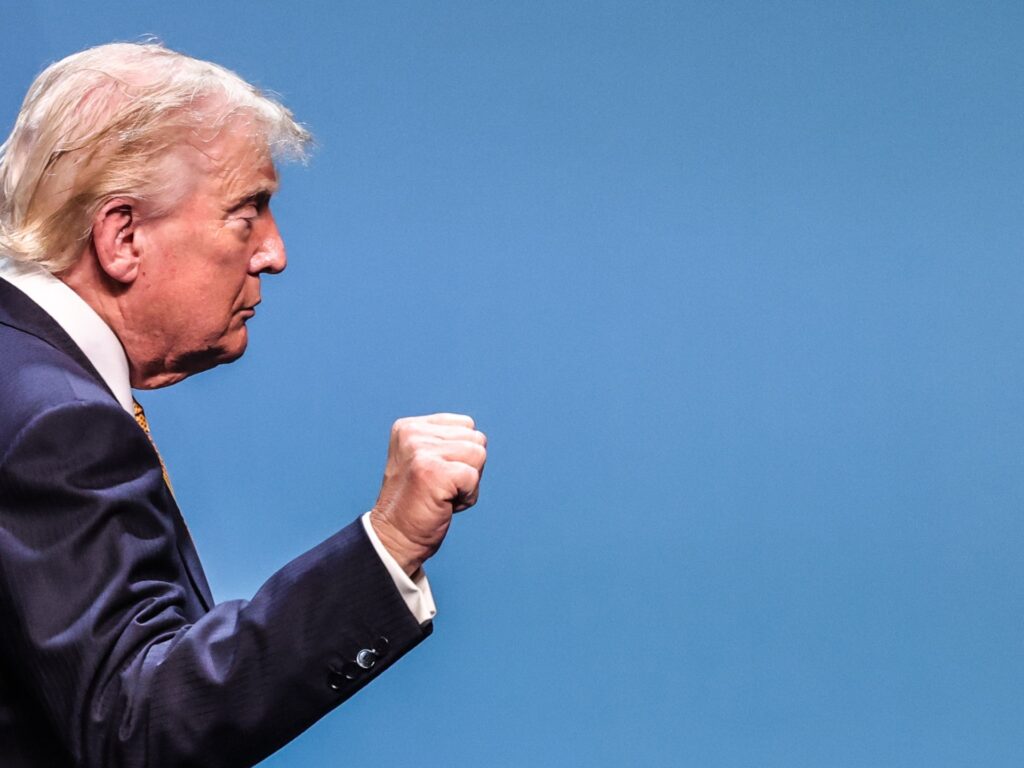
President Trump responded forcefully to the hostile rhetoric, warning that the United States would “decimate” Iran if any threats or plots against American interests or personnel were carried out. This stern warning came amid allegations from U.S. intelligence that Iran was masterminding assassination attempts targeting American figures in the region. The global community has been closely watching the volatile situation that continues to threaten regional stability.
The funeral event, marked by these inflammatory chants, symbolized the deepening divide and escalating rhetoric between Tehran and Washington. Iran’s leadership has expressed defiance against U.S. pressure, asserting sovereignty and rejecting foreign interference. Conversely, the U.S. administration has ramped up sanctions and military posturing, fueling fears of a broader conflict.
In parallel with these headlines, regional mediators have stepped in, working tirelessly to salvage a memorandum of understanding (MoU) aimed at de-escalating tensions. These diplomatic efforts highlight the urgent need for dialogue amidst spiraling hostilities. The MoU, if successful, would pave the way for renewed negotiations concerning Iran’s nuclear program and curtail proxy conflicts in the Middle East.
Regional stakeholders, including Gulf Cooperation Council nations and European partners, have underscored the critical importance of stabilizing the situation. They warn that a full-scale conflict could destabilize global oil markets and exacerbate humanitarian crises. Diplomatic channels remain busy, with backdoor talks reportedly continuing despite the flare-ups in public rhetoric.
Experts emphasize that the situation remains fluid and volatile. Escalations such as the funeral chants and Trump’s public threats serve as stark reminders of the fragile peace. The international community calls for restraint and renewed engagement to prevent further deterioration.
As the geopolitical chess game unfolds, the eyes of the world remain fixed on Tehran and Washington. How the parties navigate this crisis will have lasting implications for peace and security in the Middle East and beyond. The coming weeks are crucial as mediators push for commitments to dialogue and mutual de-escalation while both sides maintain a wary posture.
In summary, the recent chants against President Trump at Khamenei’s funeral have inflamed an already tense U.S.-Iran relationship, prompting severe warnings from Washington. Amidst allegations of assassination plots and military threats, regional mediators are attempting to preserve diplomatic openings to avoid conflict. The evolving scenario remains a critical international concern, with efforts underway to restore calm and prevent further escalation.