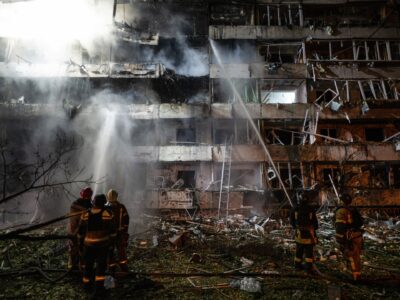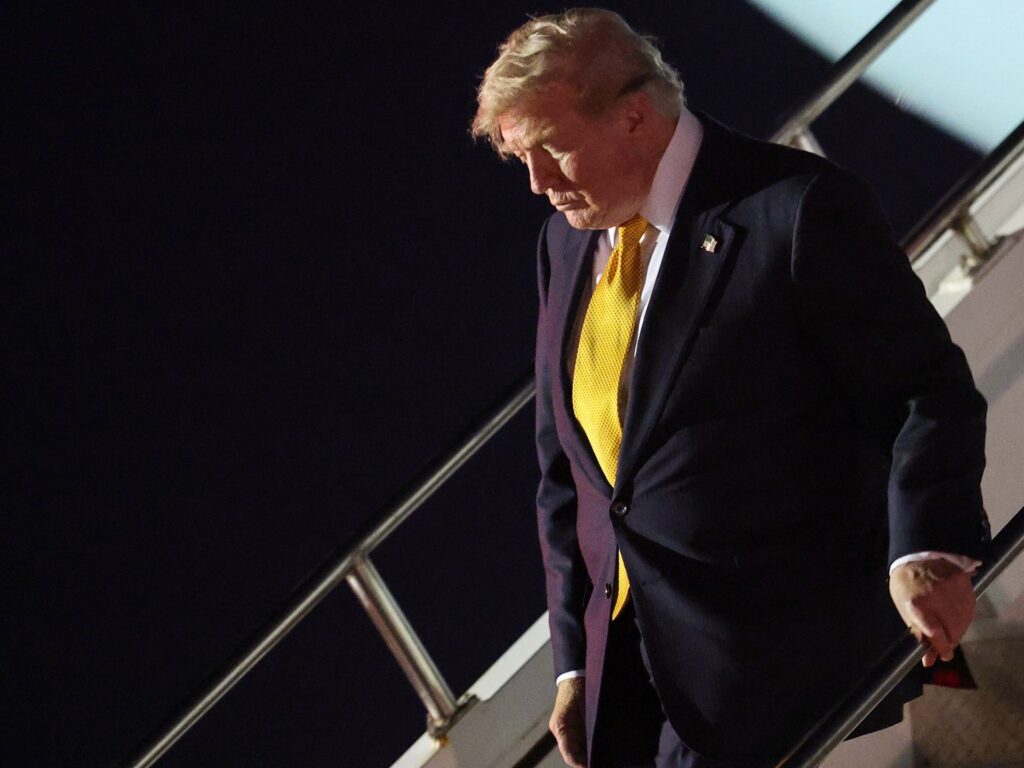
In a recent statement, former U.S. President Donald Trump announced that the United States has “agreed” to continue negotiations with Iran; however, he simultaneously declared that the ceasefire in the ongoing conflict is “over.” This proclamation arrives amid escalating violence and renewed attacks, raising concerns about the possibility of a full-scale resumption of war between the two nations.
Trump’s remarks have not yet been met with any official response from Iranian authorities, leaving the situation ambiguous and tense. The lack of communication from Iran adds complexity to the already fragile diplomatic environment and fuels speculation about the true state of negotiations and military engagements.
The background of these developments traces back to ongoing hostilities between the U.S. and Iran, which have fluctuated in intensity over the years. Various ceasefires and talk initiatives have been attempted with intermittent success, often disrupted by provocations and military actions from both sides.
Recent attacks have intensified the atmosphere, with security analysts warning that the conditions for peace are deteriorating. The resumption of talks, as mentioned by Trump, might indicate a willingness to engage diplomatically despite the breakdown in ceasefire agreements.
However, the juxtaposition of continuing negotiations alongside the declaration that the ceasefire is “over” reflects the complexity and contradictions in the current U.S. policy approach toward Iran. It suggests a dual strategy of maintaining dialogue while preparing for potential military confrontations.
International observers express concern over this volatile situation, emphasizing the need for clear communication channels and commitment to peace to prevent further escalation. The renewed tension could have broader implications for regional stability in the Middle East and global geopolitical dynamics.
Experts highlight that the ambiguity surrounding the ceasefire status and ongoing talks complicates efforts to establish reliable diplomatic protocols. Both nations face internal and external pressures that influence their strategic decisions, making the path to a sustainable resolution uncertain.
Diplomatic entities and global powers continue to monitor the evolving scenario closely, advocating for renewed dialogue sessions and confidence-building measures. The international community remains hopeful for a peaceful outcome despite the current hostile environment.
In conclusion, Trump’s announcement underscores the fragile state of U.S.-Iran relations, marked by a paradox of simultaneous negotiation and conflict. The coming weeks will be critical in determining whether these talks can lead to de-escalation or if violence will escalate into broader confrontation.