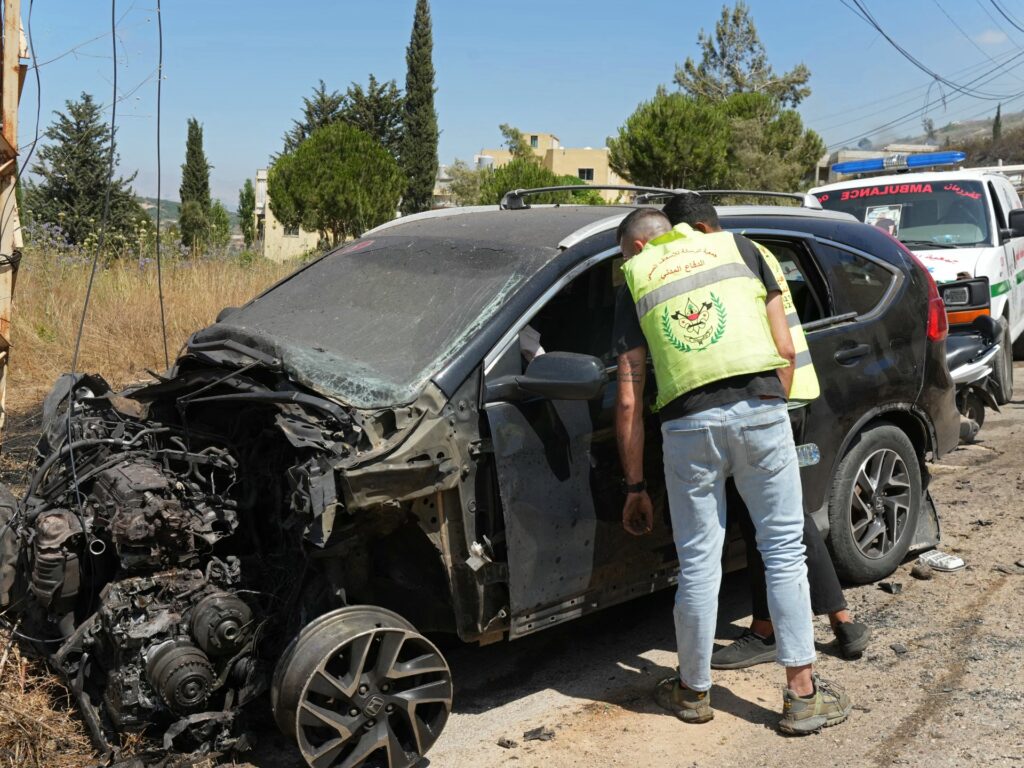
Israeli drones conducted strikes in Lebanon, hitting targets despite a recently brokered framework deal facilitated by the United States aimed at reducing tensions in the region. The latest drone strikes reportedly injured two individuals, according to local sources. These attacks come amid ongoing concerns about stability and peace efforts in the area.
This recent development has sparked significant international attention and condemnation, as it undermines diplomatic efforts intended to prevent further escalation. The US-brokered framework was designed to foster dialogue and de-escalate conflict between Israel and Lebanon, but the drone strikes have raised questions about the durability and commitment to this agreement.
Amnesty International has called for an independent investigation into earlier Israeli attacks that have resulted in the deaths of 24 civilians. The humanitarian organization emphasized the need for accountability and adherence to international law in the conduct of military operations within civilian areas.
The context of these strikes is situated in the long-standing tension between Israel and Lebanon, particularly involving activities in southern Lebanon where Hezbollah operates. The region has witnessed sporadic violence and cross-border exchanges, which have repeatedly threatened the fragile peace.
Human rights groups have expressed growing alarm over the civilian toll of recent military actions. The death of 24 civilians in previous attacks underscores the severe risk to non-combatants in conflict zones and the challenges in distinguishing legitimate military targets from protected civilian areas.
Lebanese officials have condemned the drone strikes as violations of sovereignty and have called on the international community to intervene to prevent further escalation. They stress that these actions not only endanger civilians but also destabilize the already fragile political and security environment.
Israel has justified its drone strikes by citing the need to prevent attacks from militant groups operating in Lebanon. Israeli defense officials often argue that such strikes are targeted responses aimed at neutralizing perceived threats and maintaining national security.
The drone incident has also sparked debate within the United States, which plays a crucial role in mediating peace efforts in the Middle East. While Washington supports Israel’s right to defend itself, it also advocates for restraint to avoid broader conflict.
Analysts warn that continued drone strikes risk undermining efforts to establish a sustainable peace and could provoke retaliatory actions from Lebanese factions, which might escalate into wider conflict. The international community’s response, including potential diplomatic pressure or sanctions, will be critical in shaping the trajectory of this situation.
In summary, the Israeli drone strikes in Lebanon, despite the US-brokered framework deal, represent a significant setback to peace efforts and raise urgent questions about civilian protection, international law, and the future of Israeli-Lebanese relations. The call from Amnesty International for investigations into prior killings emphasizes the broader human cost of this ongoing conflict.