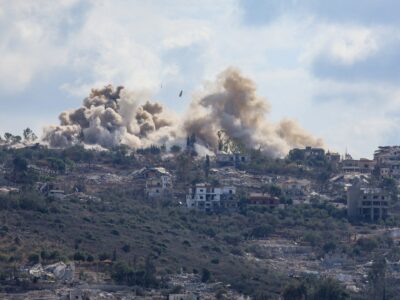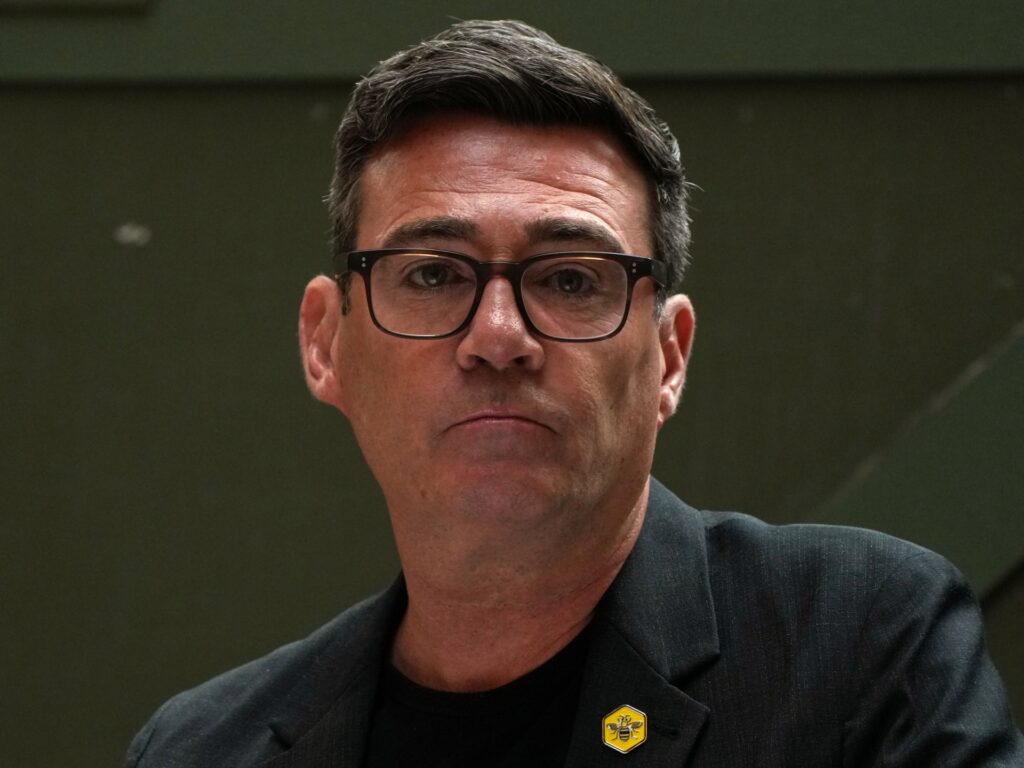
UK Labour leader Keir Starmer’s close ally and potential future Prime Minister candidate, Andy Burnham, has issued an apology regarding the party’s response to recent violence in the Gaza Strip. The conflict, which has seen significant casualties and humanitarian concerns, has prompted international debate and calls for action. Burnham, known for his progressive stance within the Labour Party, expressed regret over what he characterized as an inadequate initial response from Labour figures and the party at large.
In a detailed statement, Burnham emphasized the need for an immediate ceasefire between Israeli forces and Hamas militants to halt the escalating violence that has resulted in widespread suffering among civilians in Gaza. He articulated that peace and protection of human life must be prioritized in the ongoing conflict.
Burnham further outlined his stance on the international community’s role in addressing the conflict, urging for tougher sanctions against Israel to pressure the government toward de-escalation. These sanctions, he suggested, should specifically target continued Israeli settlement expansion in the occupied territories, which many international actors consider illegal under international law.
He also called for a halt to trade agreements with entities that profit from or support settlement activities, linking economic influence with political pressure. Burnham argued that such measures would send a clear message that the status quo is unacceptable and that the rights and safety of Palestinian civilians must be protected.
This development follows criticism of the Labour Party’s handling of the Gaza violence discourse, with some party members and observers accusing it of not taking a sufficiently firm position on the issue earlier on. Burnham’s apology and call to action represent an attempt to realign Labour’s approach on Middle East policy, reflecting a balance between condemnation of violence and a commitment to human rights and international law.
The international community remains closely watchful of the situation, with many countries and organizations advocating for renewed peace talks and humanitarian aid to the affected populations. Burnham’s proposals mirror growing calls within the UK and abroad for more decisive action to end the conflict and support a sustainable resolution.
As the UK prepares for what many expect to be a Labour government under Starmer, Burnham’s positions signal potential shifts in UK foreign policy toward the Middle East. This would emphasize diplomatic pressure, economic sanctions, and support for ceasefires as tools to encourage peace and stability in the region.
His comments have sparked discussions both within the Labour Party and among the British public about the UK’s role in international conflicts and the moral responsibilities of governments in addressing global human rights crises.
Burnham’s proactive stance and willingness to acknowledge mistakes may influence the party’s future strategy, potentially positioning Labour as a driver of more assertive and humanitarian-focused foreign policies under the next administration.
Observers will be keenly watching how these developments impact Labour’s political calculus and the broader UK foreign policy landscape in the coming months, especially as tensions in the Middle East remain high and peace efforts continue to be urgent priorities.