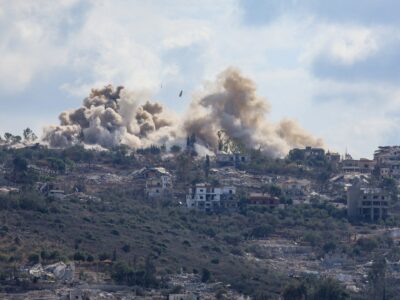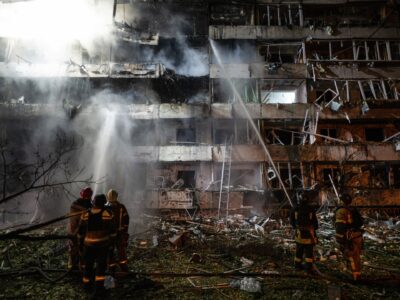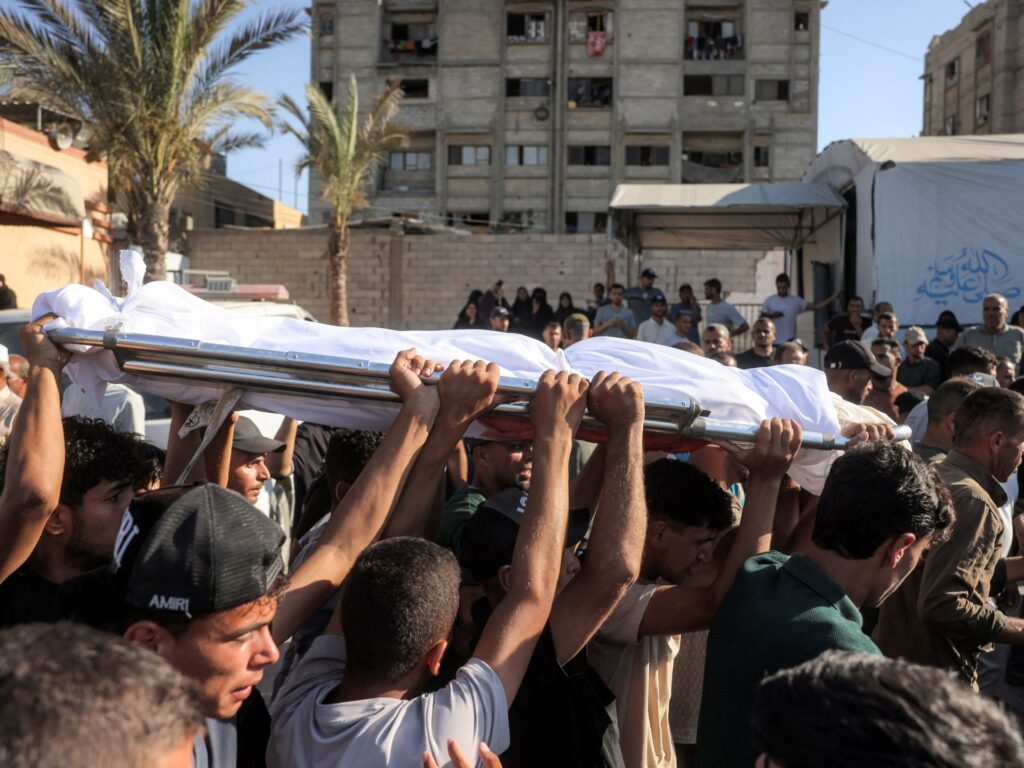
In a troubling escalation of violence in Gaza, recent Israeli air strikes have resulted in the deaths of six individuals, despite the announcement of a ‘ceasefire.’ The attacks underscore the fragile security situation in the region and raise concerns about the effectiveness of ceasefire agreements under current tensions.
Among the casualties reported, the World Central Kitchen (WCK), a humanitarian organization known for its relief efforts in conflict zones, has issued a strong condemnation following an air strike that targeted one of their aid drivers. The attack on the aid worker, who was providing crucial support in the area, has drawn international attention and criticism. WCK has demanded an immediate investigation and accountability for the incident, highlighting the dangers faced by non-combatants and humanitarian personnel amid ongoing hostilities.
The latest violence in Gaza comes at a time when the region is grappling with a complex and volatile political landscape. Despite ceasefire agreements typically aimed at halting hostilities, reports from the ground indicate that clashes and attacks have continued unabated in some sectors.
The six deaths reported represent only a fraction of the broader humanitarian crisis unfolding in Gaza. Civilians continue to live in fear as air strikes persist, disrupting lives and essential services. Hospitals, schools, and infrastructure have been severely impacted, intensifying the hardship for Gaza’s population.
International bodies and human rights groups have repeatedly called for protection of civilians and respect for international humanitarian law. The attack on the World Central Kitchen aid driver specifically highlights the targeted risks faced by humanitarian workers who operate in conflict zones to provide food, medical aid, and support to vulnerable communities.
World Central Kitchen’s statement emphasized the urgent need for accountability and protective measures to ensure the safety of aid workers on the ground. The organization urged all parties to respect ceasefire agreements and prioritize the welfare of civilians.
This incident adds to the growing calls for renewed diplomatic efforts to end the violence and establish lasting peace in Gaza. Observers stress that without a genuine commitment to de-escalation, the cycle of violence is likely to continue, causing further loss of life and suffering.
The international community is watching closely as the situation develops, with many advocating for increased humanitarian access and support for those affected. The tragic loss of life in the latest air strikes serves as a stark reminder of the ongoing human cost of the conflict.
As peace talks stall and tensions persist, the lives of many in Gaza remain at risk. Humanitarian organizations continue their work under challenging and dangerous conditions, underscoring the dire need for a ceasefire that is respected and adhered to by all parties involved.