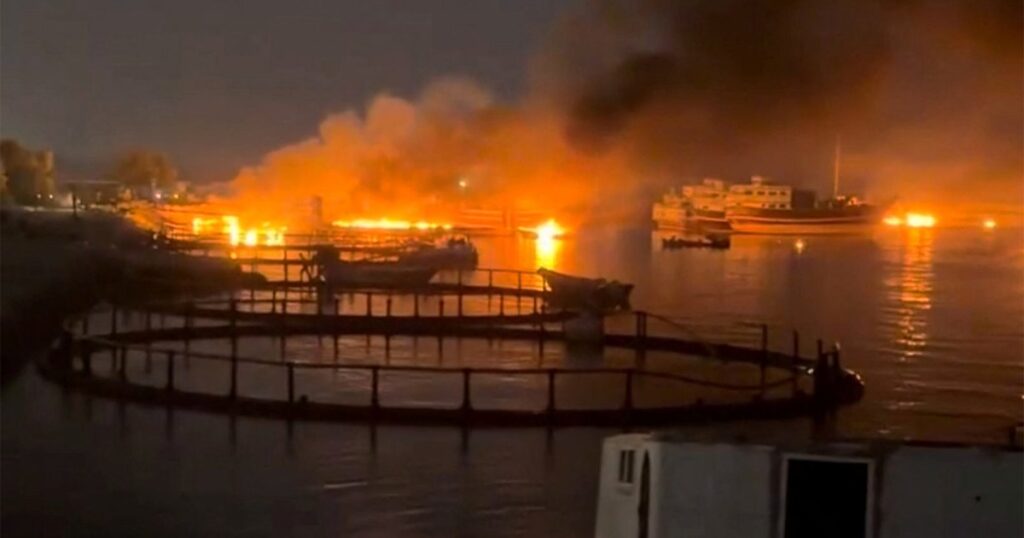
In a dramatic escalation of regional tensions, Tehran has launched missile and drone strikes targeting Bahrain, Kuwait, and Qatar. This series of attacks comes in response to recent deadly US military actions that claimed the lives of at least 14 individuals and injured 78 others, according to Iranian officials.
The conflict’s roots trace back to rising hostilities between the United States and Iran, with the latest US strikes reportedly aimed at eliminating what Washington describes as imminent threats from Iranian-backed groups. The Iranian government has condemned these strikes as unjustified acts of aggression, vowing retaliation to defend its sovereignty and interests.
The attacks by Iran mark a significant shift in the conflict, bringing neighboring Gulf states directly into the confrontation. Bahrain, Kuwait, and Qatar have historically maintained strategic alliances with Western powers, including the United States, and their involvement signals a broader regional dimension to the hostilities.
Eyewitnesses in the affected countries reported a series of explosions and interceptive air defense maneuvers attempting to thwart the Iranian offensive. While initial reports suggest that the damage and casualties were limited, the psychological and strategic impacts are considerable.
Diplomatic channels are reportedly working overtime to de-escalate the rising tensions. The United Nations Security Council has called for an emergency session to discuss the crisis and explore avenues for immediate ceasefire and dialogue.
International reactions have varied, with Western nations condemning Iran’s actions and emphasizing support for their Gulf allies. Conversely, some regional actors stress the need to address underlying grievances and push for a negotiated settlement to avoid further bloodshed.
This flare-up underscores the fragile security environment in the Gulf region, where longstanding rivalries, sectarian divisions, and geopolitical competitions create a volatile backdrop. The US-Iran confrontation remains a pivotal issue, influencing global energy markets, economic stability, and international diplomacy.
The human toll of the conflict continues to mount, with affected populations in both Iran and the Gulf states enduring casualties, displacement, and economic disruptions. Humanitarian organizations are expressing increasing concern about access to medical aid and essential services amidst the hostilities.
In summary, the recent series of attacks by Tehran on Bahrain, Kuwait, and Qatar following the deadly US strikes has intensified a complex conflict, risking a wider regional war. The international community faces urgent challenges: mediating tensions, addressing security concerns, and preventing further escalation. As events unfold, all eyes remain on developments in the Gulf, hoping for a swift return to peace and stability.