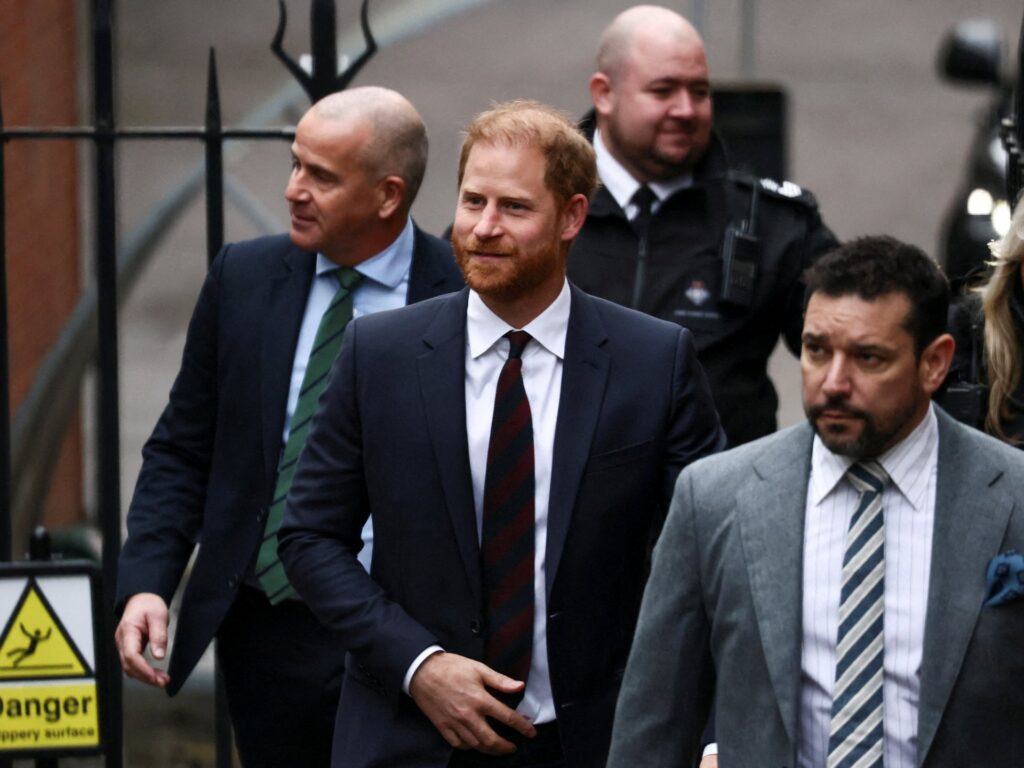
In a significant ruling at the High Court, Prince Harry has lost his privacy lawsuit against the publishers of the Daily Mail. This defeat marks a considerable setback for the prince in his ongoing legal battles with the media, which have been a prominent aspect of his efforts to safeguard his privacy.
Prince Harry, a member of the British royal family, has been engaged in numerous legal disputes with various media outlets over the years. His recent case focused on allegations that the Daily Mail had violated his privacy rights through its publications.
The High Court’s decision implies that the claims brought forth by Prince Harry did not meet the necessary legal standards to establish a breach of privacy by the Daily Mail publishers. This outcome is likely to influence the prince’s approach toward future litigation against media organizations.
The ruling has significant implications not only for Prince Harry but also for media freedom and privacy laws in the UK. It underscores the ongoing tension between public interest journalism and individual privacy rights, especially concerning public figures.
Prince Harry, who has expressed his desire to live a more private life after stepping back from royal duties, has frequently criticized media intrusion. Despite this recent loss, his legal team may consider appealing the decision or exploring other avenues to protect his privacy.
The Daily Mail publishers, on the other hand, have welcomed the ruling as a victory for press freedom. They argue that their reporting was within legal boundaries and contributed to public knowledge, emphasizing the role of a free press in holding public figures accountable.
This case has drawn widespread public and media attention, reflecting the complicated relationship between the royal family and the press. Previous legal encounters involving Prince Harry have ranged from successful injunctions to defeats, showcasing the challenges inherent in balancing privacy with the public’s right to information.
Experts in media law note that the judgment could set a precedent for how similar cases are judged in the future, possibly impacting the thresholds of privacy protection for celebrities and public personalities.
As the story develops, both Prince Harry and the Daily Mail publishers will likely continue to play pivotal roles in discussions about media ethics, privacy rights, and the responsibilities of journalism in the modern era.
In summary, the High Court ruling against Prince Harry’s privacy lawsuit indicates a notable defeat in his efforts to limit media coverage, highlighting the complexities and evolving nature of privacy law in the face of public interest and press freedom.