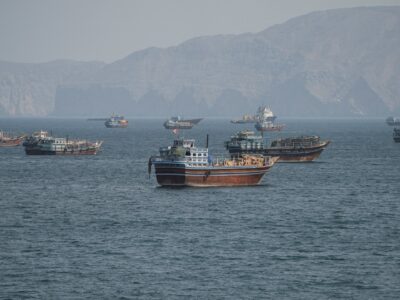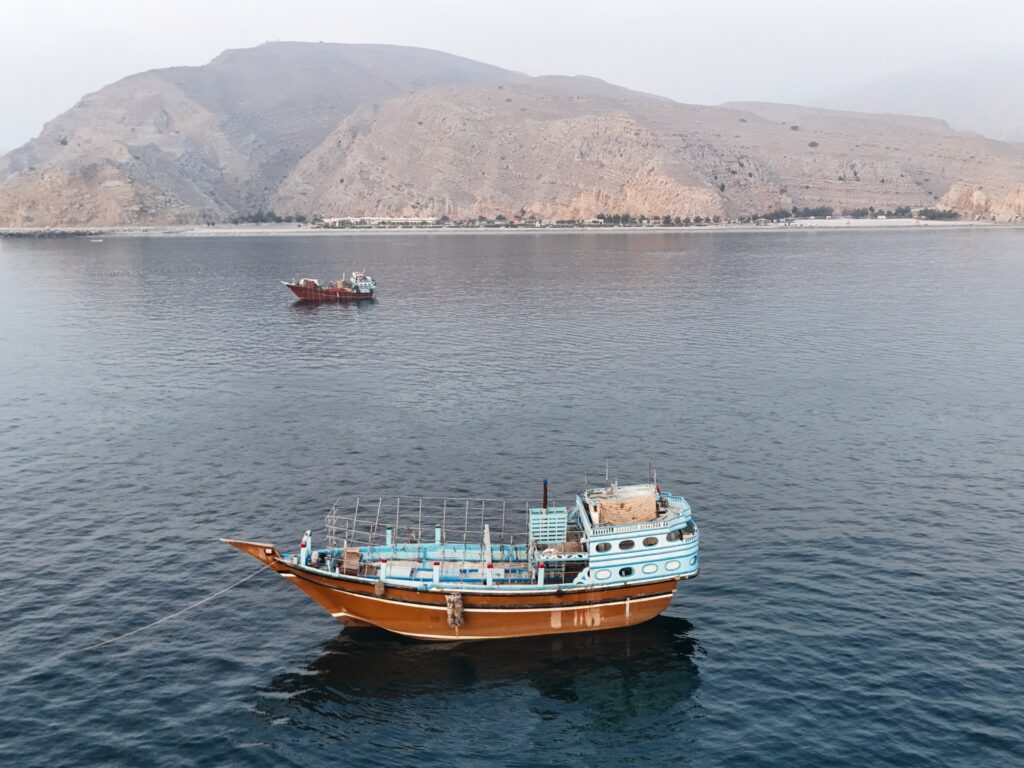
The Strait of Hormuz, a strategic waterway crucial for global oil transportation, has recently witnessed a spate of attacks on commercial ships, raising significant tensions in an already volatile region. These attacks have heightened concerns over maritime security and the stability of oil supplies, impacting international markets and geopolitical dynamics.
The Strait of Hormuz, located between the Persian Gulf and the Gulf of Oman, serves as a transit route for approximately 20% of the world’s petroleum liquids, making it one of the most important chokepoints in the global energy infrastructure. Any disruption here consequently sends ripples throughout global energy markets, affecting oil prices and energy security worldwide.
The recent attacks reportedly targeted commercial vessels, with details on the nature and perpetrators of these incidents remaining unclear. These incidents have sparked alarm among the international community, especially among nations heavily reliant on Gulf oil shipments.
As shipping companies and international navies increase their vigilance, the broader geopolitical implications of these security breaches come to the fore. The security situation in the Strait of Hormuz has always been a sticking point in diplomatic negotiations and peace talks involving regional and global powers.
Currently, peace talks addressing regional stability have made little progress partly due to contentious, vague provisions concerning freedom of navigation and security arrangements in the Strait. The ambiguity of these provisions has created challenges in drafting enforceable agreements that satisfy all parties’ interests.
Marine traffic through the Strait has steadily increased, reflecting the region’s economic importance. However, this uptick underscores the urgency of establishing robust security frameworks to protect maritime trade and prevent conflicts that could escalate into broader confrontations.
Diplomatic efforts emphasize the need for transparency, confidence-building measures, and multilateral cooperation to ensure the security of the Strait. Several proposals suggest joint patrols, information sharing, and crisis communication mechanisms to mitigate risks.
Meanwhile, states surrounding the Strait and global stakeholders alike are weighing their strategic options, balancing military presence with diplomatic engagement to manage tensions.
The attacks highlight the critical need to clarify and solidify the terms governing the Strait’s use, ensuring maritime safety and uninterrupted commerce. Without concrete agreements, the risk of miscalculation and inadvertent escalation remains high.
Ultimately, the situation in the Strait of Hormuz serves as a test case for broader regional peace efforts, demonstrating how unresolved maritime security concerns can hinder diplomatic progress.
The international community must prioritize actionable, clear, and mutually agreeable provisions for the Strait’s governance to prevent further destabilization.
As talks continue, stakeholders are urged to consider the economic and security stakes involved, recognizing that the safe passage through the Strait of Hormuz is integral not only to regional but also to global stability and cooperation.