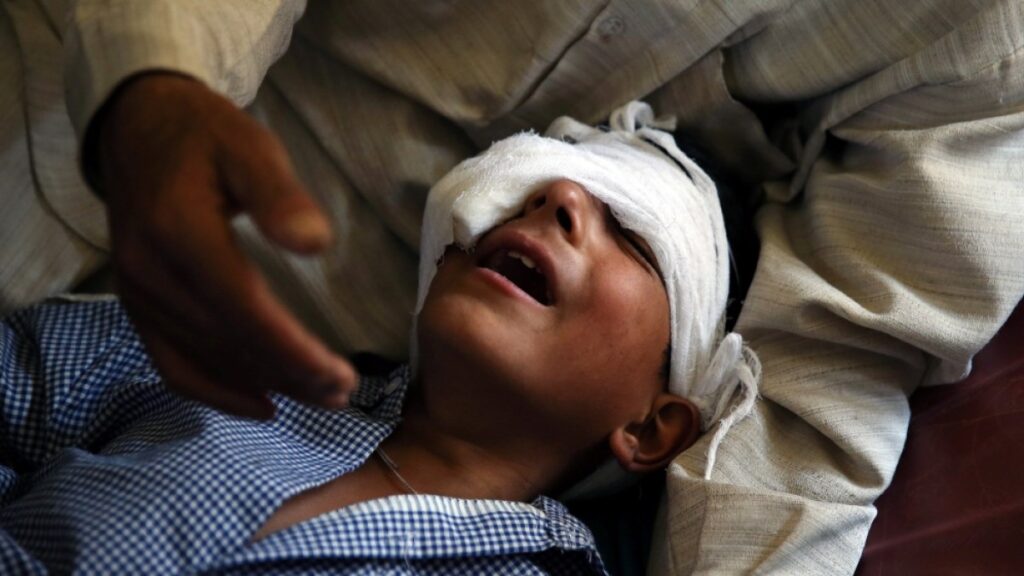
The upcoming Bollywood film ‘Chauhaan’ has ignited controversy and anger among the Kashmir pellet gun victims, with many accusing the filmmakers of mocking their suffering. ‘Chauhaan’ delves into the sensitive issue of pellet gun injuries inflicted during unrest in Kashmir, but victims and activists argue that the portrayal trivializes their painful experiences.
More than 1,000 Kashmiris have been partially or completely blinded due to pellet shotgun injuries sustained during protests and clashes in the region. These injuries have had devastating effects on the victims, including permanent vision loss and lifelong trauma.
The film’s depiction of the victims and their injuries has been criticized for being insensitive and inaccurate. Several victim advocacy groups have claimed that the movie reduces their suffering to mere plot points, neglecting the grim reality they have endured.
A spokesperson representing the affected Kashmiris expressed deep disappointment, stating, “This is not just a cinematic story; it is the harsh reality for thousands of families. ‘Limited damage’ language used in the film’s portrayal completely undermines the brutal consequences of pellet shootings.”
Critics have pointed out that Bollywood, with its widespread reach and influence, bears a responsibility to handle such topics with care and respect. They argue that the movie missed an opportunity to raise awareness and foster empathy for the victims.
On the other hand, the filmmakers have defended their creative choices, stating their intention was to shed light on a difficult subject. Nonetheless, the backlash highlights the complexities filmmakers face when tackling politically and socially sensitive issues.
The controversy underscores ongoing tensions in Kashmir and the challenges surrounding the representation of conflict in popular culture. It also brings to forefront the need for more authentic and respectful storytelling that honors the lived experiences of those affected.
As the film approaches release, discussions continue around its impact and the ethical considerations of dramatizing real-life trauma. The voices of the pellet gun victims serve as a reminder that the repercussions of violent conflict extend far beyond the screen, deeply affecting the lives of individuals and communities.