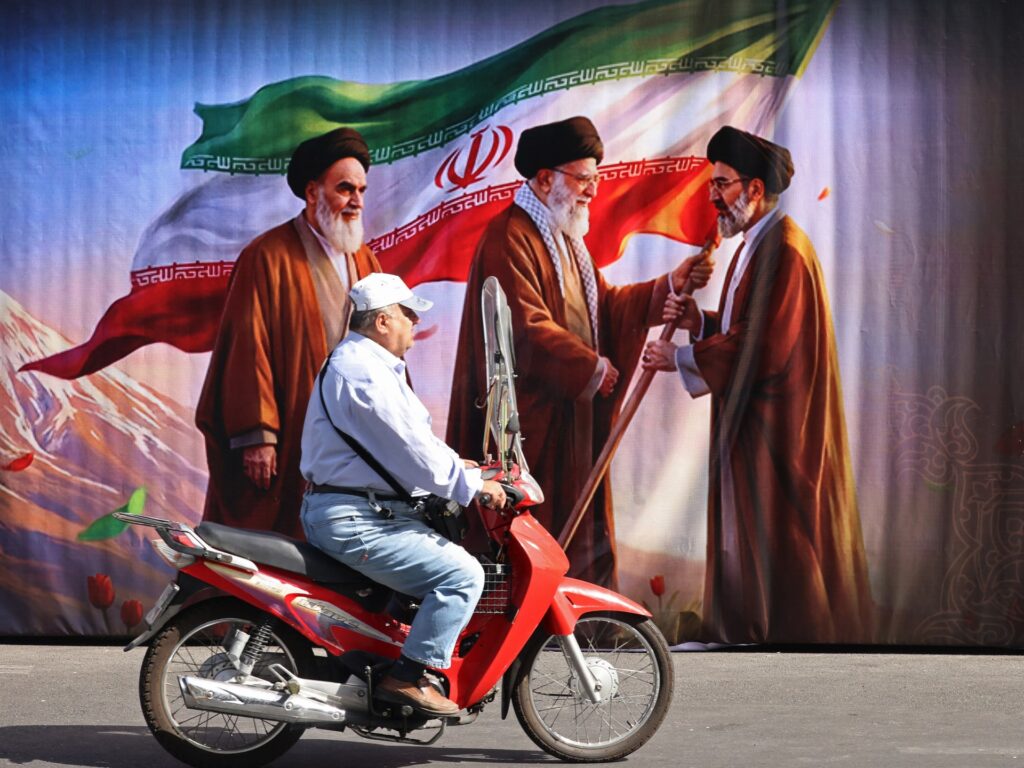
Following the recent events surrounding Iran’s leadership transition, an unusual situation has emerged within the Khamenei family and the broader Iranian public. The family is currently in mourning, which signifies a period of sorrow and reflection. However, what has captured public attention most is the conspicuous absence of Mojtaba Khamenei, the son of Iran’s Supreme Leader. His absence has sparked widespread speculation and concern among many residents of Tehran and beyond.
Mojtaba, often considered a significant figure within the political landscape of Iran due to his close ties to the supreme leader, usually plays a visible role within the family and political events. His current absence during a time of familial mourning is therefore unsettling to many citizens.
Residents in Tehran, the political heart of Iran, express a growing sense of insecurity and uncertainty. Many are questioning not just the stability within the ruling family but also the security framework of their own daily lives. The lack of clear information about Mojtaba’s whereabouts or reasons for his absence fuels rumors and fears about possible shifts or disturbances in power dynamics.
This situation is occurring against a backdrop of heightened political sensitivity in Iran. The supreme leader’s position influences Iran’s domestic and international policies heavily, and any perceived instability can have ripple effects throughout the country. Citizens who rely on predictable leadership feel unease, as they worry about potential repercussions on governance, security, and their overall safety.
Experts suggest that Mojtaba’s absence could be strategic, aimed at reducing public pressure or avoiding political backlash at this critical time. Conversely, some analysts consider it could indicate internal family or political struggles that have yet to come to light publicly.
Amid this tumult, the Khamenei family remains under close scrutiny by both the public and political commentators. The mourning itself signifies a sensitive time, but the absence of such a prominent figure as Mojtaba adds layers of complexity to the situation.
Iranian citizens are calling for transparency and clear communication to allay their fears and restore confidence in the leadership. Public demonstrations of strength and unity from the ruling family could help stabilize public sentiment, which currently leans toward anxiety due to the unknown factors at play.
This episode highlights the intricate connection between leadership visibility and public security perception. In politically intense environments like Tehran, the actions and presence of key figures can significantly influence societal calm or unrest.
As developments continue, the international community watches closely, aware that shifts within Iran’s power circles can affect regional stability and international relations.
In conclusion, the Khamenei family mourns a significant loss, yet it is Mojtaba’s absence that has caused an unexpected wave of public insecurity. For Tehran’s residents, the uncertainty surrounding Iran’s new supreme leader translates into questions about their future safety and stability, underscoring the crucial role transparent leadership plays in sustaining national security and public confidence.