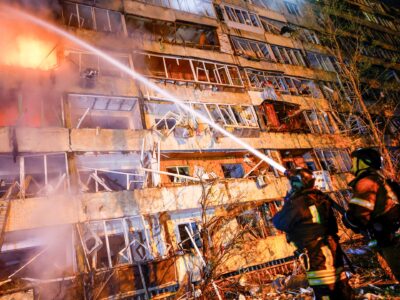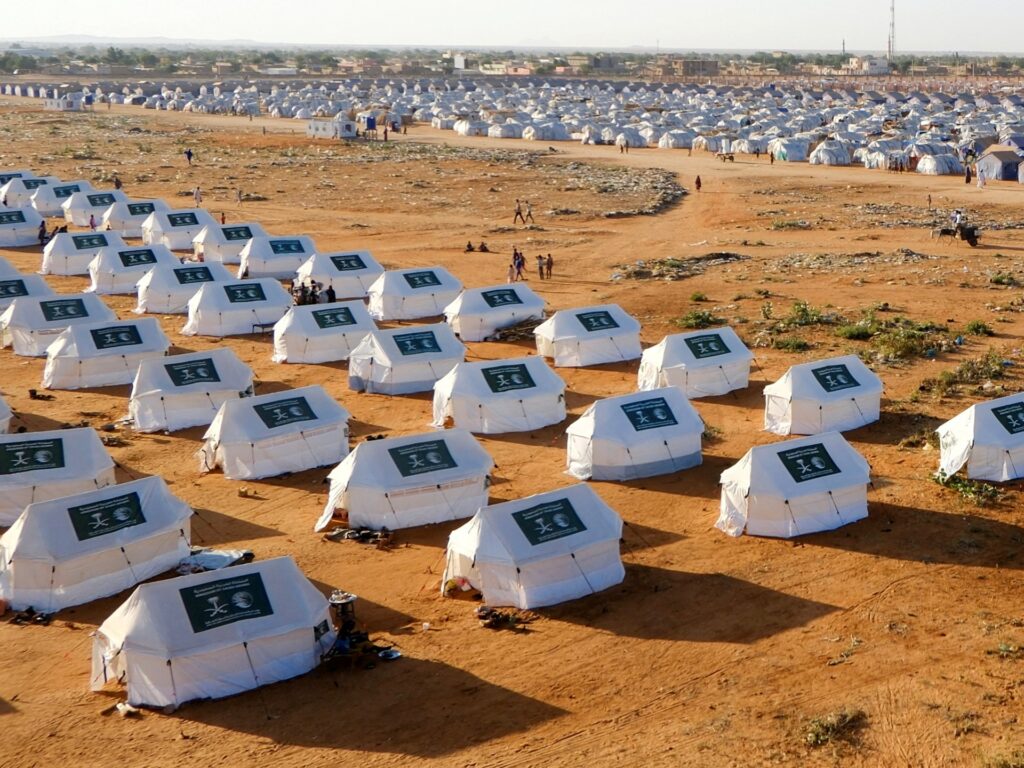
The city of El-Obeid in Sudan has come under intense siege by the Rapid Support Forces (RSF), echoing the harrowing situation witnessed in El-Fasher last year. This development has sparked grave concerns among humanitarian organizations and the international community, who caution that without urgent intervention, El-Obeid could face a similar fate as El-Fasher, where devastating atrocities unfolded.
El-Fasher, the capital of North Darfur, experienced severe humanitarian crises marked by mass displacement, widespread violence, and gross human rights violations when it was besieged by RSF forces. The aftermath left thousands dead and the local infrastructure extensively damaged, creating a protracted crisis that has yet to fully resolve.
Now, reports indicate that the RSF has encircled El-Obeid, the capital of North Kordofan. The siege has resulted in severe shortages of food, water, and medical supplies, exacerbating the plight of civilians trapped in the conflict zone. Locals report restricted movement, with checkpoints and armed patrols limiting access to and from the city.
The United Nations has issued stark warnings about the deteriorating situation, describing it as a “potential catastrophe of immense proportions.” UN officials urge immediate action to prevent escalation and to deliver humanitarian aid to those suffering in El-Obeid. They emphasize that lessons must be learned from the El-Fasher crisis to avoid repeating such tragedies.
Human rights organizations have documented early signs of RSF atrocities reminiscent of those in El-Fasher, including arbitrary detentions, violence against civilians, and destruction of property. The growing number of displaced families is straining neighboring regions and creating a regional displacement crisis.
The Sudanese government faces mounting pressure both domestically and internationally to restore order and protect civilians. However, the ongoing conflict between the government forces and RSF complicates efforts to negotiate ceasefires or establish humanitarian corridors.
International actors are calling for an immediate ceasefire and the initiation of dialogue between conflicting parties. Several countries and global organizations have pledged to support peace efforts but warn that time is running out to prevent further suffering.
Economic repercussions are also looming, as the siege of El-Obeid disrupts trade routes and local economies, affecting not only North Kordofan but the entire country. The prolonged conflict risks destabilizing Sudan further, undermining years of progress towards peace and development.
In summary, El-Obeid stands at a critical crossroads. The city’s current siege by RSF forces brings back painful memories of the El-Fasher atrocities and signals an urgent need for coordinated humanitarian and political action. Ensuring the protection of civilians and delivering much-needed aid must be prioritized to avoid repeating the tragic mistakes of the past.