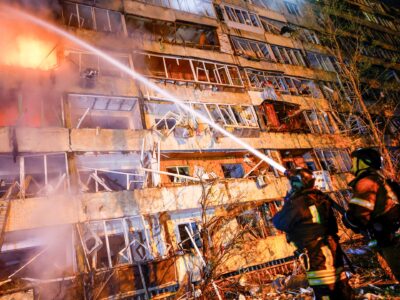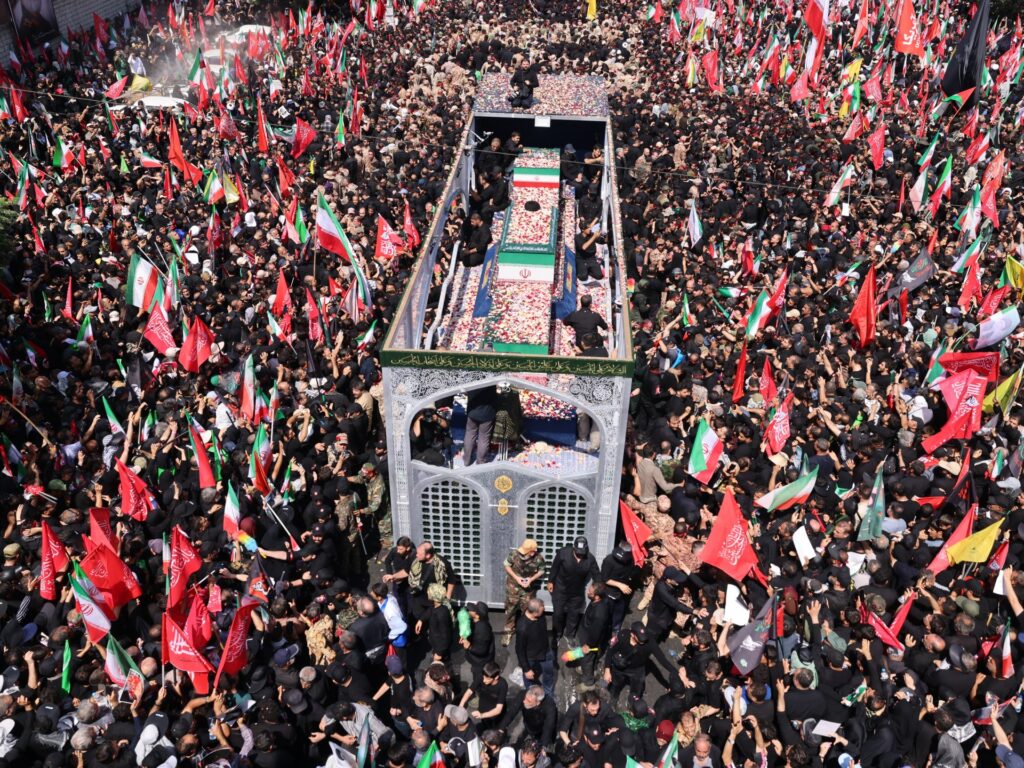
Enormous crowds have gathered in Tehran for the third consecutive day to mourn the passing of Iran’s Supreme Leader Ayatollah Ali Khamenei, marking one of the largest public gatherings in recent years. The funeral procession, which drew attendees from across the country, showcased a deep sense of national mourning and solidarity among supporters of the Supreme Leader.
The streets of Tehran were filled with mourners waving flags, chanting slogans, and carrying portraits of Khamenei, reflecting the high regard in which he was held by many Iranians. The event was not only a moment of grief but also a display of political unity and strength by the ruling regime amid turbulent times.
The atmosphere was charged with calls for revenge against perceived adversaries, notably the United States and Israel, whom Iranian officials and many citizens blame for various ongoing conflicts and regional tensions. These sentiments were echoed loudly throughout the procession, indicating the deep geopolitical animosities that continue to influence Iran’s domestic and foreign policies.
The funeral procession has been characterized by a blend of traditional mournful ceremonies and fervent political rhetoric. Religious leaders and government officials delivered impassioned speeches, emphasizing Khamenei’s role in defending Iran’s sovereignty and his legacy of resistance.
Analysts view the massive turnout as a significant demonstration of support for the current regime, even as Iran faces internal challenges such as economic difficulties and calls for political reform. The state’s ability to mobilize such a large crowd illustrates the enduring influence of Khamenei’s leadership and the ideological cohesion among many Iranians.
Despite the somber mood, the event also highlighted the ongoing tensions and divisions within Iranian society. While many participated in the mourning rituals, opposition groups and activists have expressed skepticism and criticism towards the government’s narrative and policies.
The international community is closely watching the developments in Iran, mindful of potential repercussions in the region. The calls for reprisal against the US and Israel could escalate tensions further, affecting diplomatic relations and stability in the Middle East.
The aftermath of Khamenei’s death and the response from both the Iranian populace and the government will shape the country’s future trajectory. Leadership succession, policy direction, and internal cohesion are all under scrutiny as Iran enters a new chapter in its complex political landscape.
In summary, the funeral procession for Supreme Leader Ayatollah Ali Khamenei has drawn extraordinary public attention, symbolizing not only a national mourning but also a pivotal moment of political expression and regional significance. The events in Tehran signal a reaffirmation of certain ideological stances and a clear message of defiance towards external pressures, setting the stage for what lies ahead in Iran’s national and international affairs.