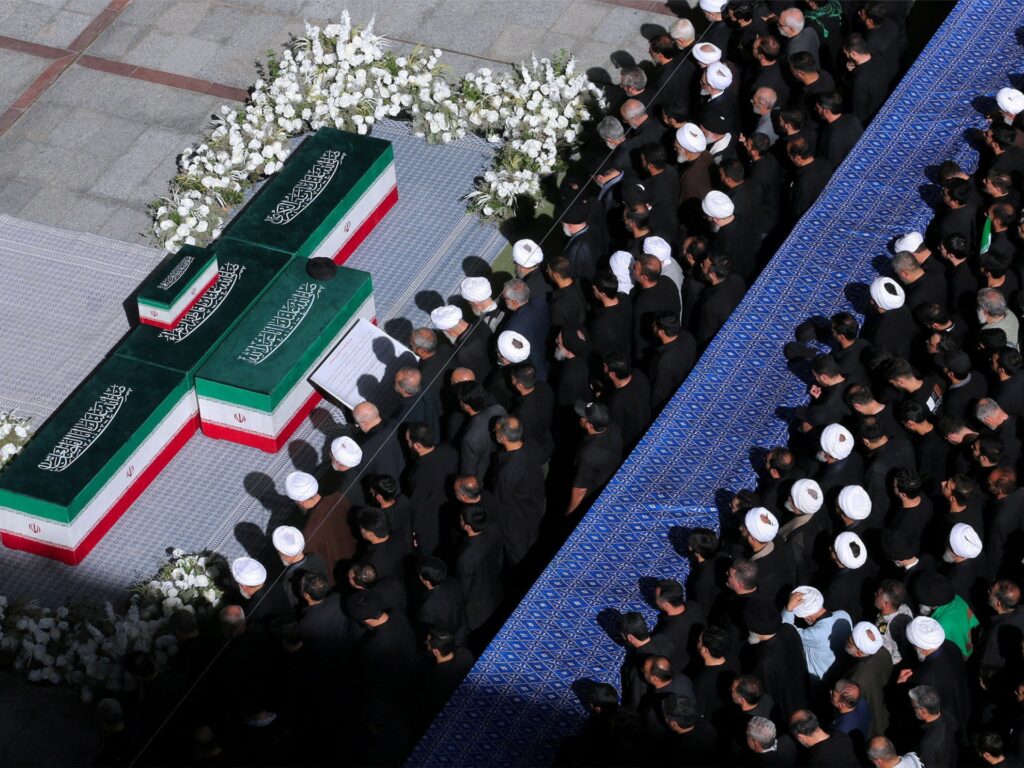
Tehran is bracing for an unprecedented event as millions are expected to gather for the funeral procession of Iran’s supreme leader, Ali Khamenei, following his reported death amidst ongoing conflict. This solemn occasion marks a significant moment in Iran’s history and is drawing attention both domestically and internationally.
The atmosphere in Tehran is tense yet deeply respectful as citizens prepare to pay their final respects to Khamenei. Security measures have been intensified across the capital, with authorities deploying thousands of personnel to manage the large crowds and ensure order during the procession.
Public transportation has been adjusted to accommodate the influx of mourners, with additional services and road closures in place. Several significant landmarks in Tehran are being transformed into memorial sites, adorned with portraits and symbols of the late leader.
Khamenei’s death comes at a critical juncture amid ongoing regional conflicts and internal pressures within Iran. His leadership has been pivotal since he assumed office, steering the country through turbulent times, including international sanctions and complex geopolitical challenges.
The funeral procession is expected to be one of the largest gatherings in recent Iranian history, reflecting the profound impact of Khamenei’s rule on the nation. Leaders from various political factions, as well as religious figures, are anticipated to attend, highlighting the profound national significance of the event.
International observers are closely monitoring the developments, aware that the death of such a central figure could lead to shifts in Iran’s political landscape. Analysts speculate that the succession process will be carefully managed to maintain stability in the region.
Among the mourners, there is a strong sense of unity and reflection on the legacy Khamenei leaves behind. Many recall his role in shaping Iran’s ideological and political path, his steadfastness in upholding the principles of the Islamic Revolution, and his influence on regional policies.
Families and individuals are coming together in homes and public spaces to remember his speeches and teachings, while social media platforms are flooded with tributes and memories shared by millions across the country.
As the funeral procession moves through Tehran’s streets, it symbolizes not only the end of an era but also the resilience of the Iranian people during times of transition. The event serves as both a tribute and a moment of collective solidarity, echoing through the city’s neighborhoods and communities.
Authorities have urged citizens to participate peacefully and to honor the funeral in keeping with cultural and religious traditions. The government is also prepared to manage any potential unrest, emphasizing the importance of unity during this critical period.
Beyond Tehran, the nation is expected to observe a period of mourning, with ceremonies planned in various cities and towns. State media has dedicated extensive coverage to Khamenei’s life, achievements, and the impact of his leadership.
As night falls after the intense day of mourning, the city remains vigilant and respectful, with the funeral procession standing as a testament to the powerful role of Ali Khamenei in Iran’s history and the enduring strength of its people.