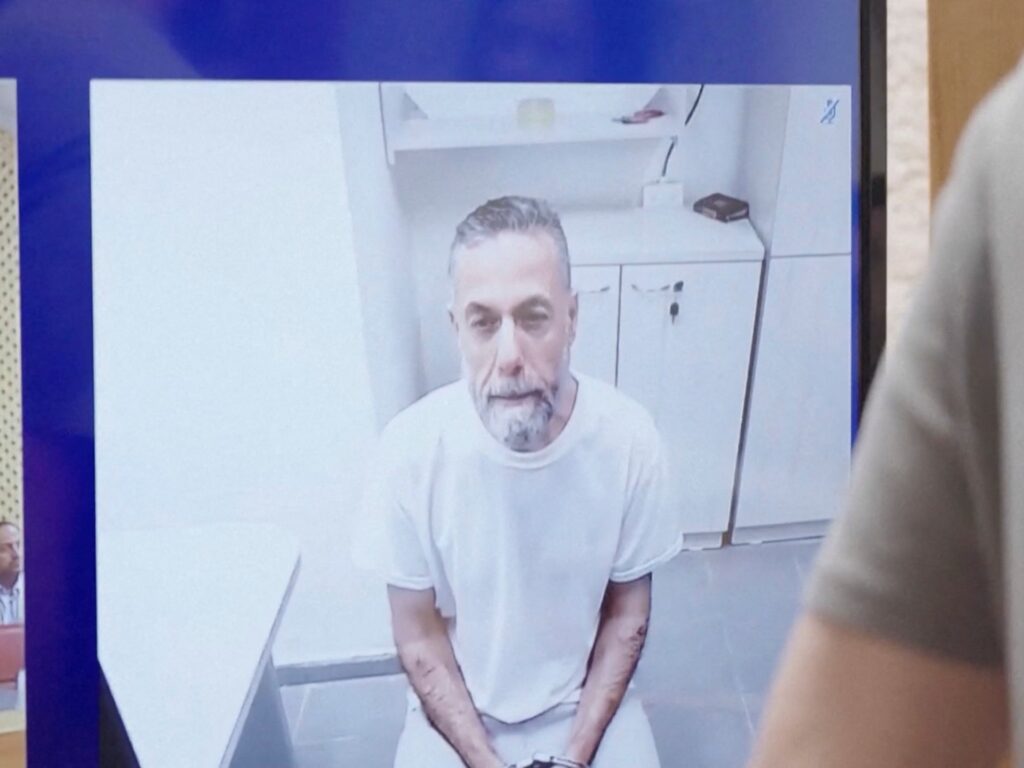
Hussam Abu Safia, the chief of a hospital in Gaza, is reportedly in a life-threatening condition after enduring over 555 days of incarceration by Israeli authorities. According to his son, Elyas Abu Safia, Hussam is severely debilitated and can barely breathe or speak, raising significant concerns about his health and treatment while in custody.
Elyas has spoken out about his father’s dire physical state, emphasizing the urgent need for medical attention and better care. The prolonged imprisonment under harsh conditions has taken a serious toll on Hussam’s ability to maintain his health, underscoring the precarious situation faced by detainees in similar circumstances.
Human rights groups monitoring the case have condemned the treatment of Hussam Abu Safia, calling for immediate intervention to ensure his safety and access to adequate medical care. They point to international humanitarian standards that mandate the humane treatment of prisoners, especially those with critical health conditions.
The situation highlights broader concerns about the treatment of prisoners in the Israeli detention system, particularly Palestinians from Gaza, many of whom face lengthy detentions without trial or proper legal recourse. Advocates argue that such conditions violate fundamental rights and exacerbate fears of further deterioration in detainees’ health.
Efforts have been made by various organizations to raise awareness of Hussam’s plight and press for his release or transfer to a medical facility capable of addressing his serious health needs. Despite these efforts, no substantial progress has been reported, and his condition continues to worsen.
The case of Hussam Abu Safia serves as a stark reminder of the human cost embedded within the ongoing Israeli-Palestinian conflict. It calls attention to the urgent necessity for addressing humanitarian concerns and the protection of detainees’ rights amid political and security tensions.
Observers stress the importance of sustained international pressure to compel responsible authorities to provide adequate medical support to prisoners in critical health conditions. The hope remains that enduring advocacy can lead to improved circumstances or eventual release for Hussam and others in similar distress.
As the situation develops, families, human rights organizations, and the global community continue to watch closely, hoping that humanitarian considerations will prevail to prevent any further harm or loss of life within detention.
This case also brings attention to the broader issue of healthcare access in conflict zones and the impact of prolonged imprisonment on physical and mental well-being. It underscores the need for comprehensive humanitarian solutions that prioritize human dignity and life amidst challenging geopolitical realities.
In summary, the deteriorating condition of Hussam Abu Safia, a jailed Gaza hospital chief, has raised serious alarms about prisoner welfare and the responsibilities of detaining authorities to provide humane treatment and adequate medical care. Immediate action and international advocacy are essential to safeguard his life and uphold human rights standards.