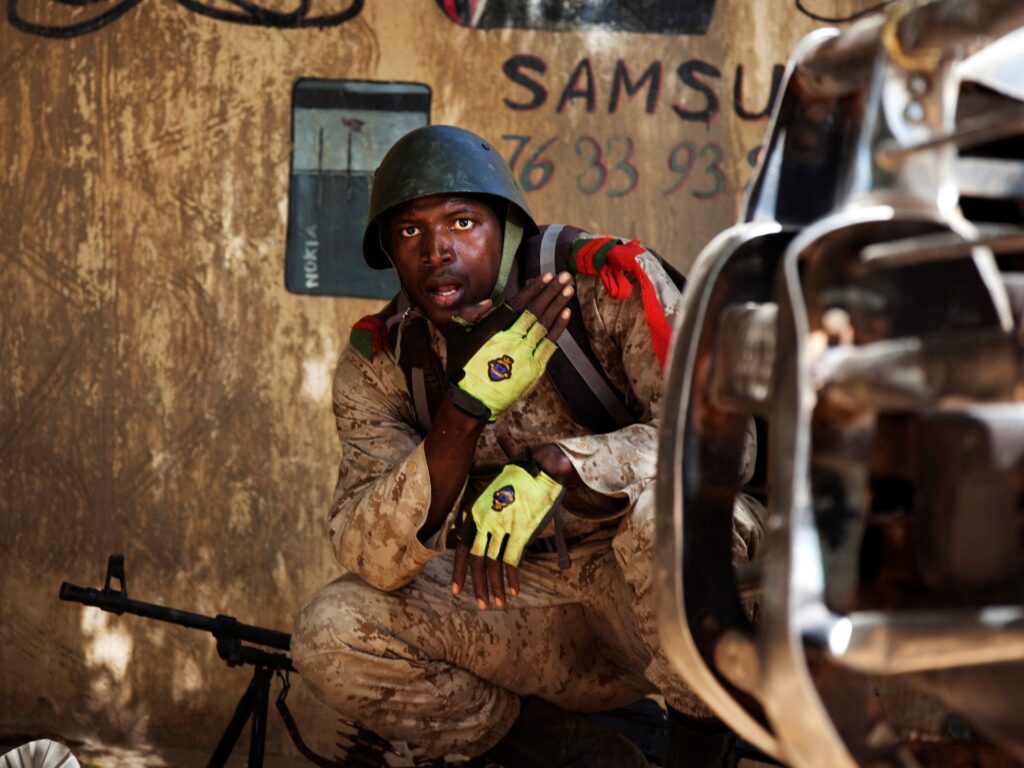
Recent renewed coordinated attacks across Mali have raised significant security concerns in the region. The attacks, claimed by a separatist Tuareg-led group alongside a regional al-Qaeda affiliate, targeted various army positions, highlighting the growing intensity and complexity of the conflict in Mali.
The separatist Tuareg-led group, long seeking autonomy in the northern regions of Mali, has intensified its militant activities amidst ongoing political instability. Their collaboration with the regional al-Qaeda affiliate marks a worrying alliance aimed at challenging government control and expanding militant influence. These groups have exploited the fragile security situation to launch synchronized attacks, destabilizing the region further.
The coordinated nature of the attacks demonstrates a high level of planning and operational capability among the insurgents. Army positions, crucial for maintaining state authority and security, have been systematically targeted, leading to casualties and a significant strain on military resources. These assaults also undermine peace efforts and complicate the fragile process of restoring stability in the country.
Mali has been grappling with a multifaceted insurgency for years, involving various armed groups with differing agendas, including separatist movements, jihadist organizations, and criminal elements. The resurgence of violence comes against a backdrop of previous peace agreements that have failed to fully address the underlying issues driving conflict.
The government and international allies are under pressure to respond effectively to these escalating attacks. Military operations have been intensified, and there is a call for renewed political dialogue to address the grievances of the Tuareg population and counter the influence of extremist groups.
The impact of these attacks extends beyond Mali’s borders, threatening regional security across the Sahel. Neighboring countries have already witnessed spillover violence, prompting collaborative security efforts among Sahelian states and international partners.
Understanding the complexity of this conflict is essential. The alliance between separatist movements and jihadist factions poses a unique challenge, blending political aspirations with extremist ideologies. Solutions require a comprehensive approach that combines military, political, and socio-economic strategies.
In summary, the renewed coordinated attacks across Mali by the Tuareg-led separatist group and the regional al-Qaeda affiliate signify a dangerous escalation in the ongoing conflict. These developments call for urgent attention to reinforce security, revitalize peace negotiations, and address the root causes of instability in Mali and the wider Sahel region.