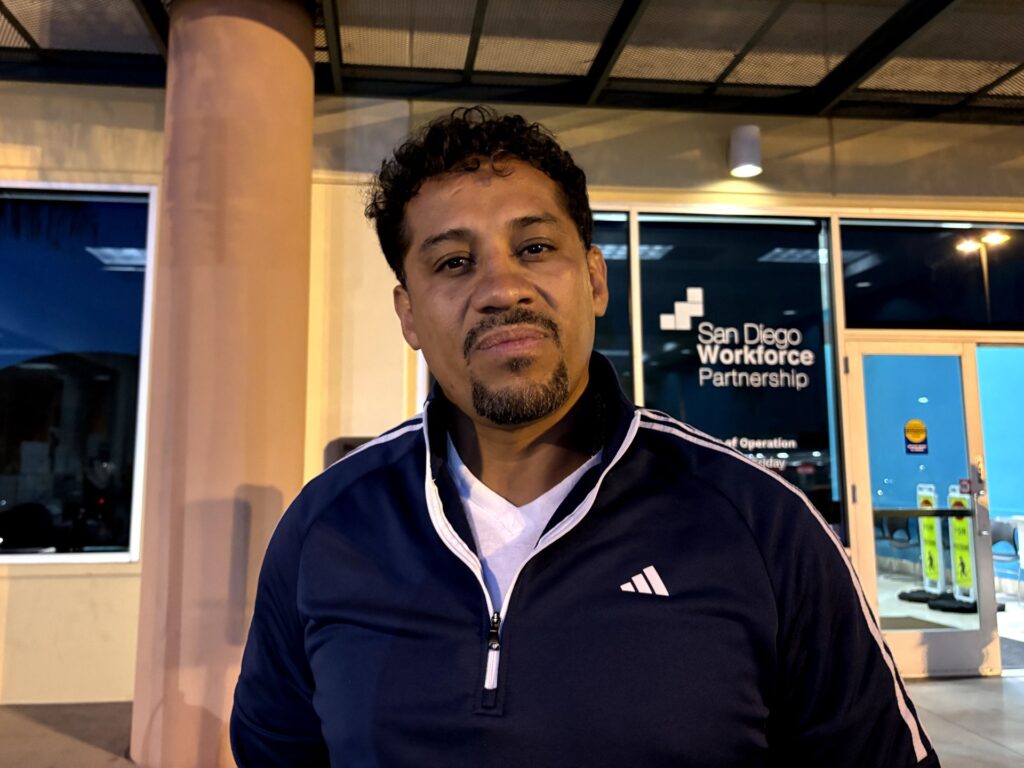
Benito Miranda Hernandez, a dedicated immigrant who served three tours in the Iraq war as part of the United States military, is now facing deportation to Mexico. Hernandez’s case highlights a growing controversy surrounding immigrant service members who have risked their lives for the country yet encounter legal hurdles and the threat of removal.
Hernandez devoted years of his life to the US military, bravely serving on the front lines during multiple tours in Iraq. His commitment and sacrifices exemplify the values of honor and patriotism. Despite his service, Hernandez is now subject to deportation proceedings due to immigration status issues that have come to light in recent times.
The situation raises questions about the treatment of immigrants who have served in the armed forces, as many face similar fates despite their contributions. Activists and legal experts argue that military service should grant certain protections and pathways to citizenship, but current policies and enforcement often complicate this ideal.
Supporters of Hernandez emphasize the moral obligation to recognize and protect veterans who have risked their lives for the United States. They advocate for reforming immigration laws to provide clearer protections and rights for military immigrants facing deportation.
Hernandez’s case serves as a poignant reminder of the challenges immigrant veterans confront, balancing their allegiance to the country with uncertain legal status. It also sheds light on broader immigration and military policy debates, illustrating the need for compassionate and practical solutions that honor service and uphold justice.
As Hernandez awaits the outcome of his deportation case, his story resonates with many families and communities touched by immigration issues and military service. The outcome could influence future cases and policy decisions impacting immigrant veterans nationwide.
This case elicits widespread discussion about national identity, service, and the complexities immigrants face within the US legal system. Advocates urge lawmakers to consider the unique sacrifices of immigrant service members when shaping immigration and veteran policies.
In conclusion, Benito Miranda Hernandez’s plight underscores the intersection of immigration and military service, challenging society to reconcile these issues fairly. His experience calls for empathy, acknowledgment, and legislative attention to ensure that those who serve the nation are not unjustly punished due to their immigration status.