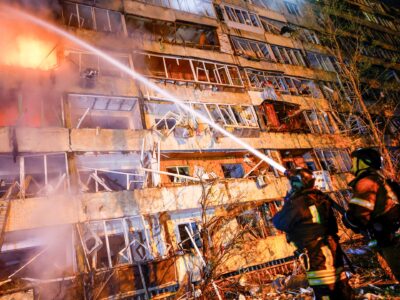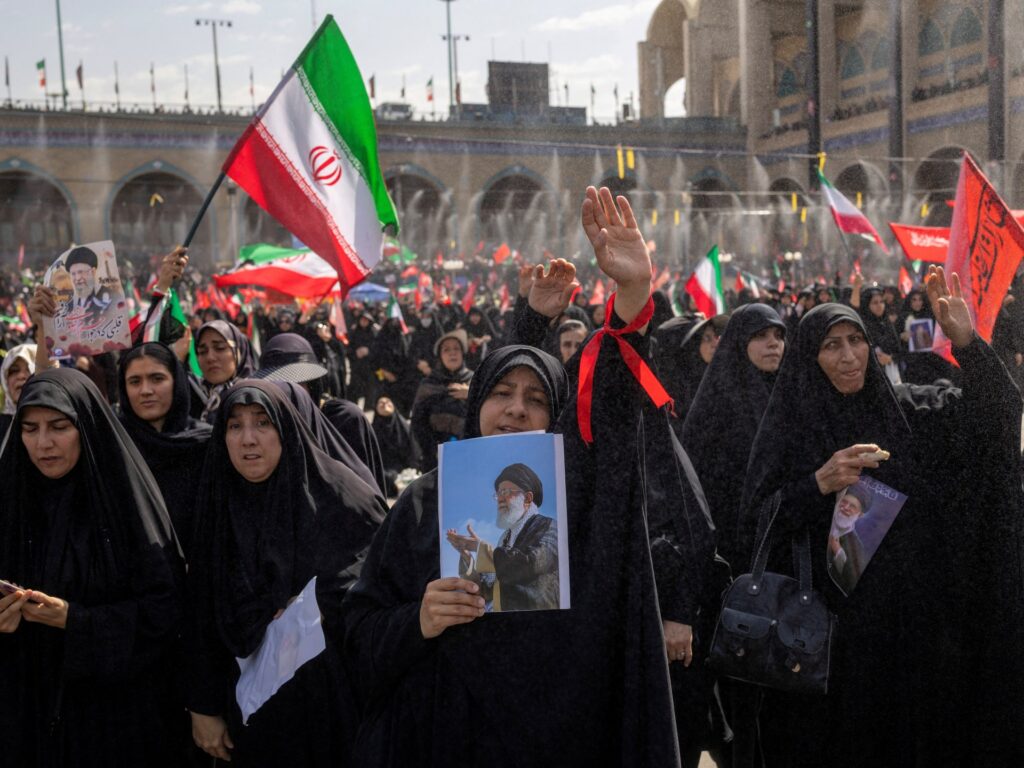
In a dramatic turn of events in the ongoing conflict between Iran and the United States, massive crowds have gathered across Iran to mourn the death of Supreme Leader Ali Khamenei and members of his family. The victims were reportedly killed in a US-Israeli air strike that took place in February, escalating tensions in the region.
The airstrike, which targeted Khamenei and his close relatives, represents one of the most significant blows to the Iranian leadership in recent years. As news of the attack spread, thousands of mourners flooded the streets to pay their respects and express grief over the loss of their supreme leader.
Iranian state media broadcast the funeral ceremonies live, showing scenes of sorrow and national solidarity. Across Tehran and other major cities, mourners held up pictures of Khamenei, lit candles, and chanted slogans in support of their country and leadership.
The attack has provoked widespread condemnation from Iranian officials, who have promised to avenge the deaths, warning of severe consequences for the United States and Israel. Experts suggest the strike could lead to heightened military activities and possibly further confrontations in the already volatile Middle East region.
In response to the crisis, former U.S. President Donald Trump made a public statement urging calm and restraint. Trump emphasized the importance of avoiding further escalation and called on both sides to seek peaceful solutions to their differences. His message aimed to soften heightened fears of an expanded conflict stemming from the recent violence.
International reactions have varied, with some nations condemning the air strike for its potential to inflame regional tensions, while others have expressed cautious support for actions taken against Iran’s military capabilities.
The killing of Khamenei marks a significant moment in the Middle East’s geopolitical landscape, as he was a central figure in Iranian politics and influence. His leadership spanned decades, during which he guided Iran’s policies on nuclear development, regional diplomacy, and internal governance.
Security analysts believe that the removal of such a key figure may lead to a temporary power vacuum in Iran, which could trigger uncertainties within the country’s political system as factions vie for influence.
Meanwhile, the funeral itself has become a focal point for nationalist sentiment and demonstrations of unity among Iranians. The government has mobilized additional security forces to manage large gatherings and prevent any chance of unrest during this sensitive period.
As the situation develops, global watchers closely monitor diplomatic communications and the movements of military forces in the region. The international community remains hopeful that dialogue and diplomatic efforts will prevail over further armed conflict.
In summary, the death of Iran’s Supreme Leader Ali Khamenei in a US-Israeli air strike has led to widespread mourning and increased tensions in the Middle East. While massive crowds honor his legacy, voices like former President Trump’s call for calm underscore the urgent need to prevent further escalation and pursue peaceful resolutions.