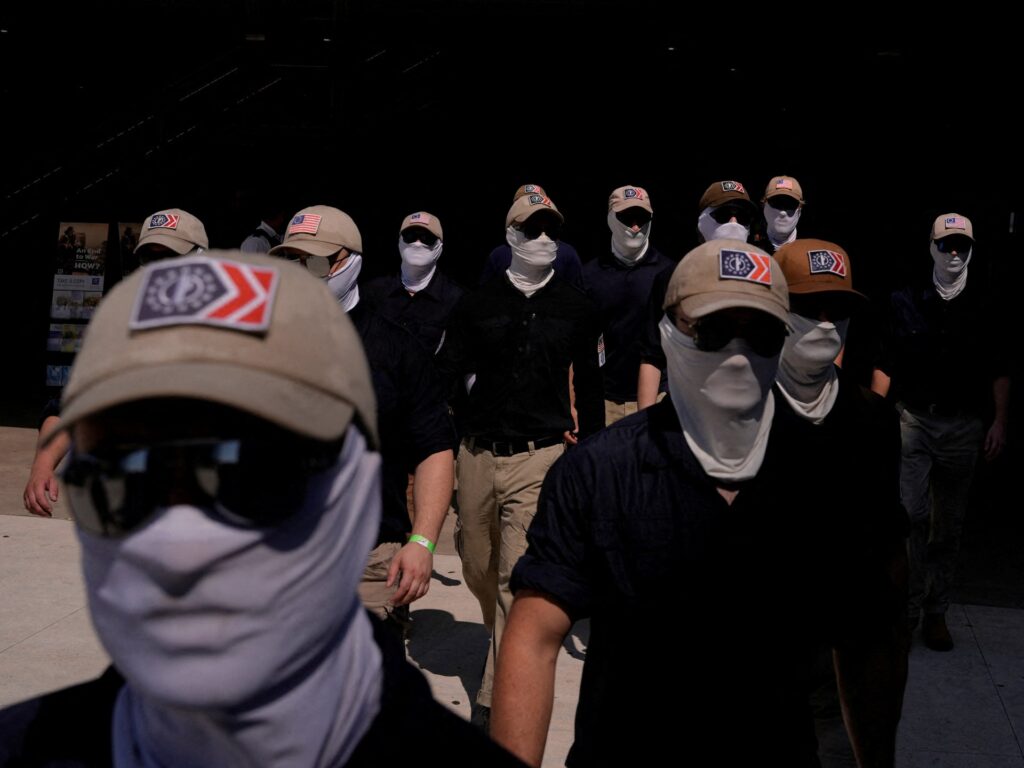
During the recent July 4 festivities in the Washington, DC, area, a group of white nationalists held a march that has sparked significant public and political controversy. The event attracted attention not only because of its timing during the nation’s Independence Day celebrations but also due to the broader implications and historical context surrounding such demonstrations.
White nationalist groups, known for promoting ideologies that emphasize white racial superiority and often linked to extremist actions, have frequently been a source of national concern. Their presence during an emblematic national holiday like the Fourth of July, which celebrates American unity and independence, has been seen as provocative and divisive by many citizens, civil rights organizations, and political leaders.
This march came amidst ongoing discussions about race relations and extremist rhetoric in the United States. It intensified debates around how the nation should address and counter white nationalist movements and their impact on social harmony and public safety.
Former President Donald Trump has found himself at the center of these debates due to his perceived reluctance to forcefully condemn white nationalist groups during his presidency. Critics argue that his responses were often ambiguous and at times, failed to unequivocally denounce these groups, thereby emboldening extremists.
Supporters of Trump contend that his administration did not tolerate hate groups and point to various law enforcement measures taken during his tenure. Nonetheless, the debate over the adequacy of his stance on white nationalism remains a polarizing issue in American politics.
Civil rights advocates and many political figures have called for clear and robust opposition to white nationalist ideology from all leaders to help safeguard democratic values and promote inclusiveness within American society. The recent march during a patriotic holiday has revitalized calls for stronger interventions and education to counter hate speech and extremist activities.
The situation highlights the ongoing challenge of balancing free speech rights with the need to prevent the spread of harmful and divisive messages that can threaten the social fabric. Law enforcement agencies and community leaders have a pivotal role in responding to such events to ensure public safety while respecting constitutional freedoms.
As the United States moves forward from the July 4 events, the dialogue around white nationalism, political leadership, and national unity will likely remain a key focus in the nation’s political and social discourse. The march serves as a stark reminder of the enduring presence of extremist ideologies and the importance of collective efforts to foster a resilient, inclusive democracy.