Screenshot
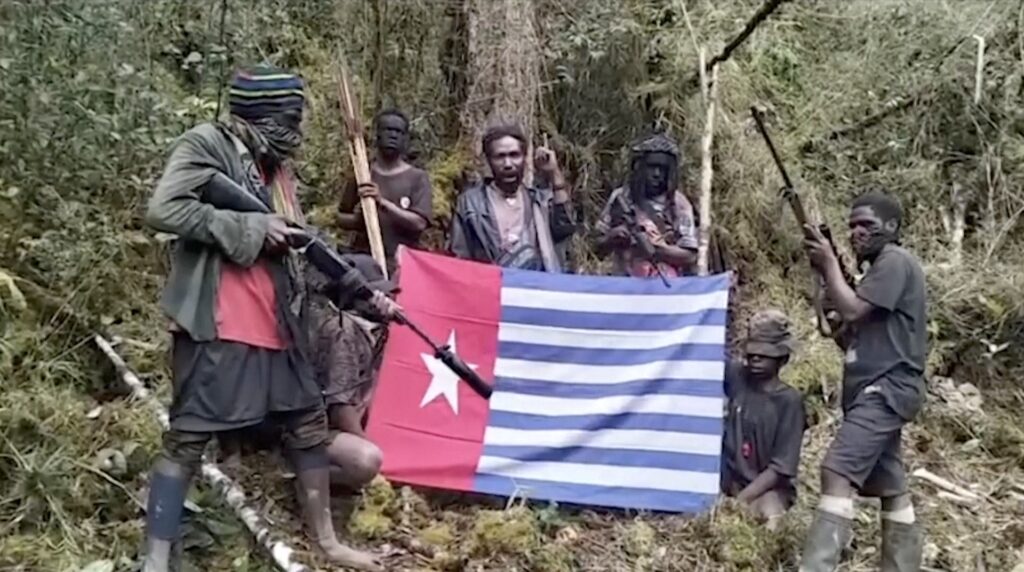
In a recent development in Indonesia, separatist rebels in the Papua region have claimed responsibility for killing a US pilot. This incident marks a significant escalation in the ongoing conflict between Indonesian authorities and separatist groups seeking independence or greater autonomy for Papua.
The Papua region, part of Indonesia on the island of New Guinea, has long been a hotbed of tensions and armed confrontations between the government and rebels who accuse Jakarta of suppressing their rights and ignoring their demands.
According to reports, the US pilot was conducting operations in the area when the separatist fighters ambushed him. The exact circumstances of his mission remain unclear, but the rebels assert that they shot and killed the pilot in a targeted attack.
This claim by the Papua separatists adds to the complexity of the conflict, which is not only a local or national issue but now has an international dimension, given the involvement of a US citizen.
The Indonesian government has yet to officially confirm the death of the US pilot. However, if verified, the incident could strain diplomatic relations and potentially draw more international attention to the Papua conflict.
Historically, the Papua conflict has been one of Indonesia’s most persistent and violent internal challenges, with frequent reports of human rights abuses and clashes between security forces and rebels.
The presence of foreign nationals like US personnel in Papua has been a sensitive subject, with separatists often viewing such involvement as part of a broader geopolitical play by outside powers.
The separatist group claims that their struggle is for freedom and self-determination, accusing the Indonesian government of exploitation and neglect of the indigenous Papuan people.
International human rights organizations have repeatedly called for a peaceful resolution to the conflict, urging both sides to engage in dialogue and respect human rights.
The killing of the US pilot may intensify military operations and security measures in the region, potentially leading to more violence and instability.
Meanwhile, diplomatic channels between Indonesia and the United States are likely to be activated to address the incident and seek clarity.
This event underscores the growing volatility in Papua and the challenges faced by Indonesia in managing a complex regional issue with deep-rooted historical and ethnic dimensions.
Observers warn that without a comprehensive political solution, the cycle of violence in Papua is likely to continue, affecting not only indigenous communities but also international stakeholders involved in the region.
As news of the pilot’s death spreads, calls for an independent investigation and increased oversight of military actions in Papua are expected to grow domestically and internationally.
The situation remains fluid, with international attention focused on the responses from the Indonesian government, the US administration, and the separatist forces.
Further updates are awaited to confirm details and understand the broader implications of this incident on the Papua conflict and US-Indonesian relations.