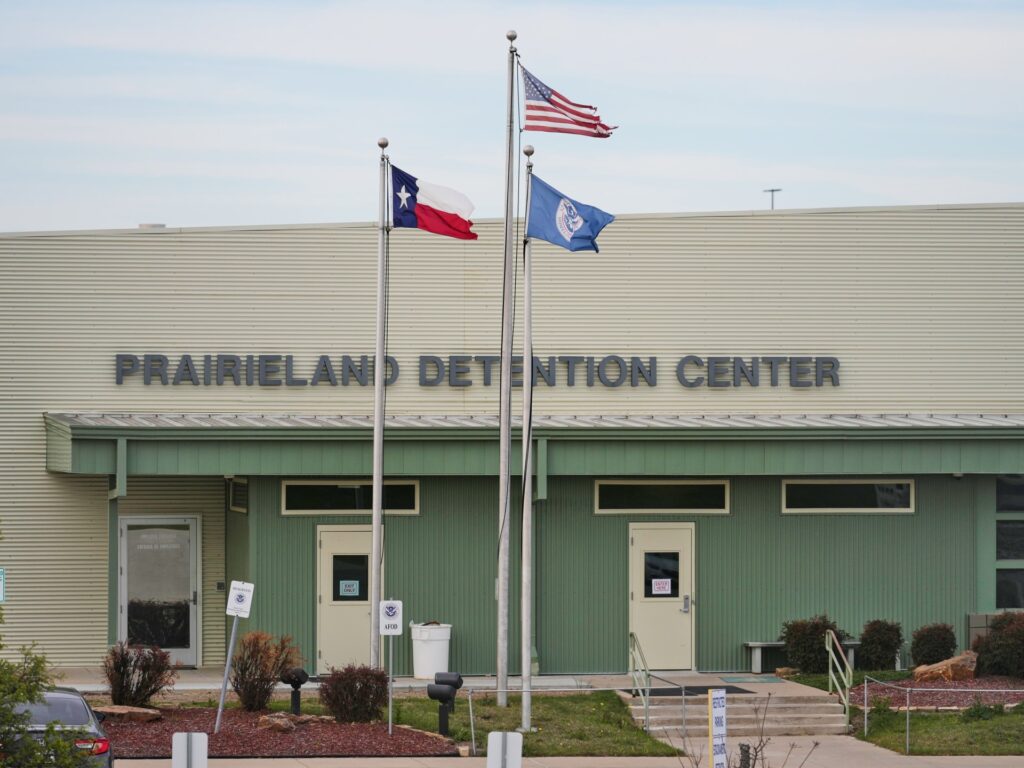
US prosecutors have recently announced seven additional sentences connected to the shooting incident at the Prairieland Detention Center in Texas. The center, operated under Immigration and Customs Enforcement (ICE), was the site of a protest that escalated into violence, leading to significant legal consequences. Authorities allege that several individuals involved in the protest were linked to the anarchist political movement known as antifa, which is known for its opposition to fascist ideologies and has been associated with various political demonstrations.
The protest at the Prairieland Detention Center was one of several demonstrations held across the country, organized to oppose immigration detention policies and conditions at ICE facilities. During the event, shots were fired, causing injuries and a heightened security response. The investigation that followed led to the identification and arrest of several participants believed to be instigators or direct perpetrators of violence.
Prosecutors claim that the involvement of antifa members indicates a politically motivated aspect to the protest, potentially escalating the severity of the charges. Although not all individuals present were charged, those sentenced have faced serious accusations including assault with a deadly weapon, conspiracy to commit violence, and unlawful assembly.
Critics of the ICE detention system argue that the harsh conditions inside the facilities provoke such protests, often turning volatile due to alleged mistreatment of detainees. Supporters of law enforcement emphasize the importance of maintaining order and penalizing violent acts that jeopardize safety.
The new sentences add to a growing number of convictions related to protests at ICE centers nationwide. Legal experts suggest these cases highlight the ongoing tension between immigration enforcement policies and civil rights activism.
As more details emerge, authorities are continuing to monitor protest activities and enforce laws aimed at preventing violence. The federal government insists on the importance of safeguarding detention operations while respecting constitutional rights to peaceful protest.
The situation remains a focal point in the national debate over immigration reform, border security, and civil liberties, often reflecting broader political and social divisions within the United States.