As Iran continues its high-stakes negotiations with the United States, the country’s military capabilities have come under intense scrutiny from both regional and global observers. Recent claims by the US and Israel suggest substantial damage inflicted on Iranian military assets. These assertions, however, have been met with a display of defiance by Tehran, which is actively projecting strength through rapid recovery efforts evidenced by satellite imagery.
Iran’s military apparatus is notably multifaceted, combining conventional forces with asymmetrical warfare tactics. The Iranian Revolutionary Guard Corps (IRGC) plays a crucial role, exerting influence inside and outside of Iran’s borders, and is adept at both conventional combat and proxy warfare.
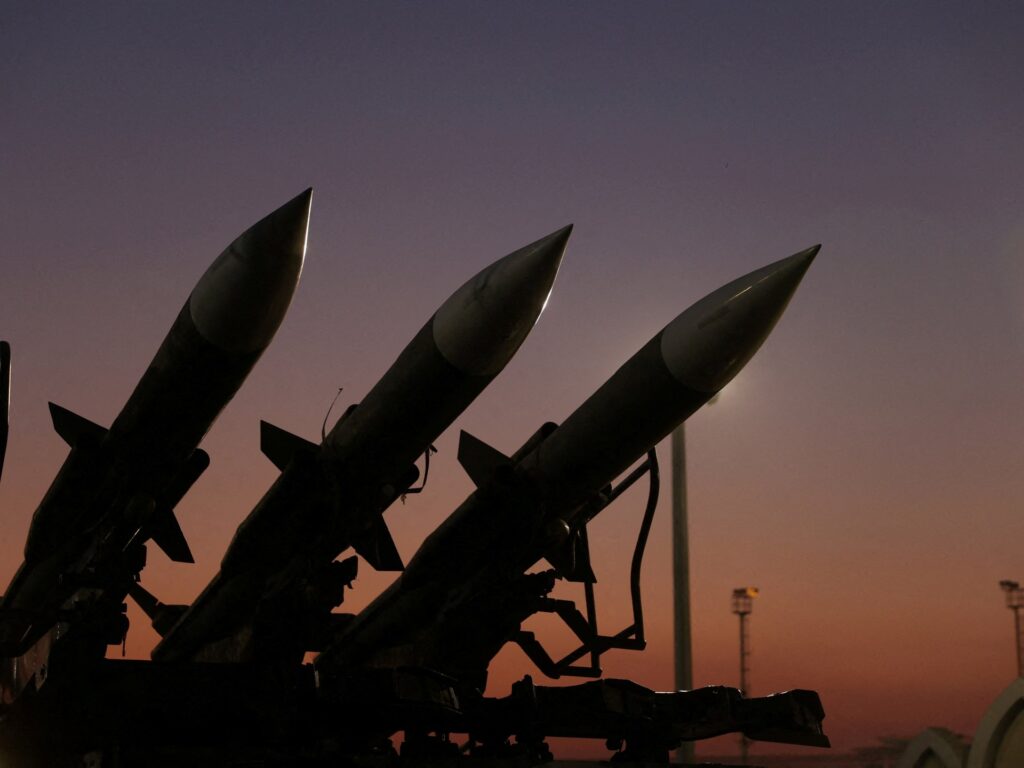
One of the primary strengths of Iran’s military lies in its missile capabilities, which include a varied arsenal of ballistic and cruise missiles capable of striking targets across the Middle East. This capability forms a significant deterrent against regional adversaries and a key leverage point in negotiations with global powers.
In addition to missiles, Iran has developed a range of drone technologies. These UAVs have been used in surveillance, intelligence gathering, and, reportedly, offensive operations. The fast pace of drone development and deployment illustrates Iran’s intent to modernize its forces despite international sanctions.
Iran’s naval presence is another cornerstone of its defense strategy, particularly in the strategically critical Strait of Hormuz. The Iranian navy, alongside the IRGC naval forces, has the capacity to disrupt maritime traffic, which is vital for global oil supplies. This capability underpins Iran’s bargaining position in its talks with the US.
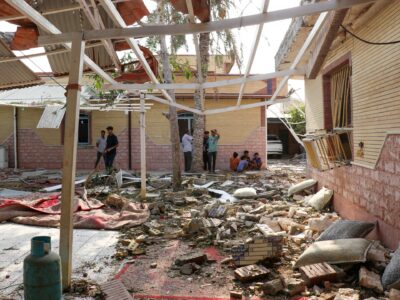
Despite recent reported damages from alleged strikes by US and Israeli forces, satellite images reveal efforts to swiftly restore and even enhance military facilities and capabilities. These images indicate Iran’s commitment to maintaining operational readiness and resilience in the face of external pressures.
Iran’s approach to conflict is heavily influenced by a strategy that prioritizes endurance and asymmetry over direct confrontation. This methodology allows Iran to sustain a protracted engagement with technologically superior adversaries, ensuring that its military capabilities remain a factor in regional power dynamics.
The tension in the region remains high as Iran continues to develop its nuclear program, adding another complex layer to its military posture. The interplay between Iran’s military capabilities and its diplomatic overtures to the US will significantly influence the future security landscape of the Middle East.
In conclusion, Iran possesses a robust military capability that combines missile strength, drone technology, naval power, and asymmetrical tactics to project defense and offense simultaneously. Its capacity for rapid recovery post-strikes demonstrates a resilience that complicates efforts by the US and Israel to curtail its influence. As negotiations continue, the world watches keenly to see how Iran balances its military posture with diplomatic engagements, shaping the geopolitical future of the region.