The recent developments in Lebanon involving Israel’s continued military presence have sparked intense debates about the future of the US-Iran memorandum of understanding (MOU). This agreement, seen as a crucial step toward easing tensions between the United States and Iran, faces a significant challenge due to Israel’s actions in the region. Analysts suggest that although both Washington and Tehran want the MOU to succeed, Israel’s ongoing operations in Lebanon could undermine these efforts and complicate the diplomatic landscape.
For years, the US-Iran MOU has represented a fragile yet hopeful framework aimed at curbing hostilities and fostering dialogue between the two longtime adversaries. Central to this agreement are provisions designed to reduce violence, enhance communication channels, and build confidence between the parties. However, the persistence of Israeli military activities in Lebanon threatens to disrupt this delicate balance.
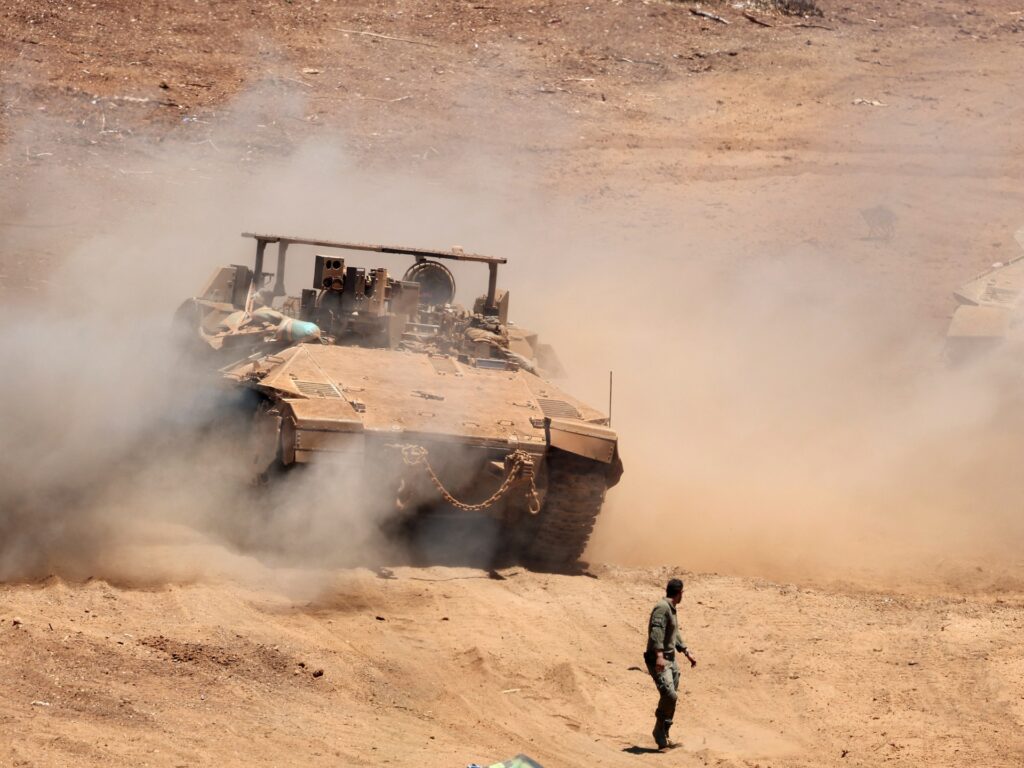
Israel has maintained a steadfast stance regarding its security concerns, particularly with Hezbollah’s presence in Lebanon. Their position stems from a view that any Iranian influence in Lebanon directly increases the threat to Israeli borders. Consequently, Israel’s continued military operations, including airstrikes and ground presence, have been aimed at deterring Hezbollah and limiting Iran’s influence across Lebanon.
These actions, while strategically justified by Israel, have been criticized by analysts who argue that they may exacerbate regional instability. By keeping military forces active in Lebanon, Israel risks provoking retaliatory measures from Hezbollah and Iranian-backed forces, potentially igniting a broader conflict that the US-Iran MOU seeks to prevent.
Furthermore, the symbolic implications of Israel’s presence in Lebanon are profound. It sends a message that Israel is unwilling to retreat or lessen its engagement, complicating diplomatic negotiations and signaling defiance. This stance could harden Iran’s approach during MOU talks, as Tehran perceives Israeli moves as a direct challenge to their regional ambitions and security interests.
Both the United States and Iran recognize the importance of the MOU and the potential benefits of its success. The US administration has consistently emphasized the need for dialogue and restraint on all sides, urging Israel to consider the broader implications of its actions. Meanwhile, Iran has signaled willingness to engage constructively, provided that regional security concerns are addressed.
Nevertheless, the geopolitical realities on the ground present significant obstacles. Israel’s actions in Lebanon complicate the situation by introducing elements of unpredictability and tension. Analysts warn that unless Israel adjusts its strategy, the MOU risks being overshadowed by escalating conflicts, reducing the prospects for lasting peace and cooperation.
In conclusion, Israel’s continued military presence in Lebanon is a critical issue that could jeopardize the success of the US-Iran MOU. While Washington and Tehran seek to advance their agreement, Israeli actions present a formidable challenge. The coming months will be crucial in determining whether diplomacy can prevail over ongoing military dynamics and foster a more stable Middle East.
As regional actors weigh their options, the international community watches closely, hoping that restraint and dialogue will ultimately overcome division and conflict in this strategically vital region.