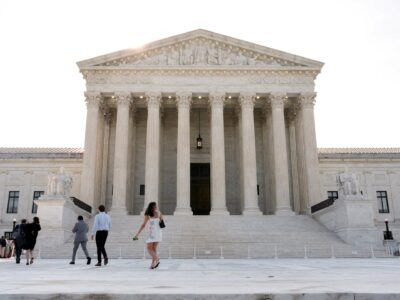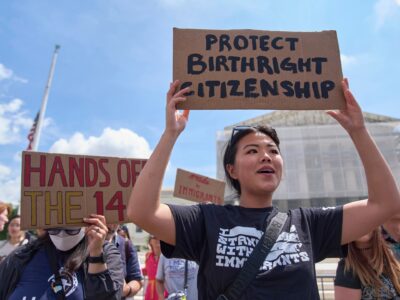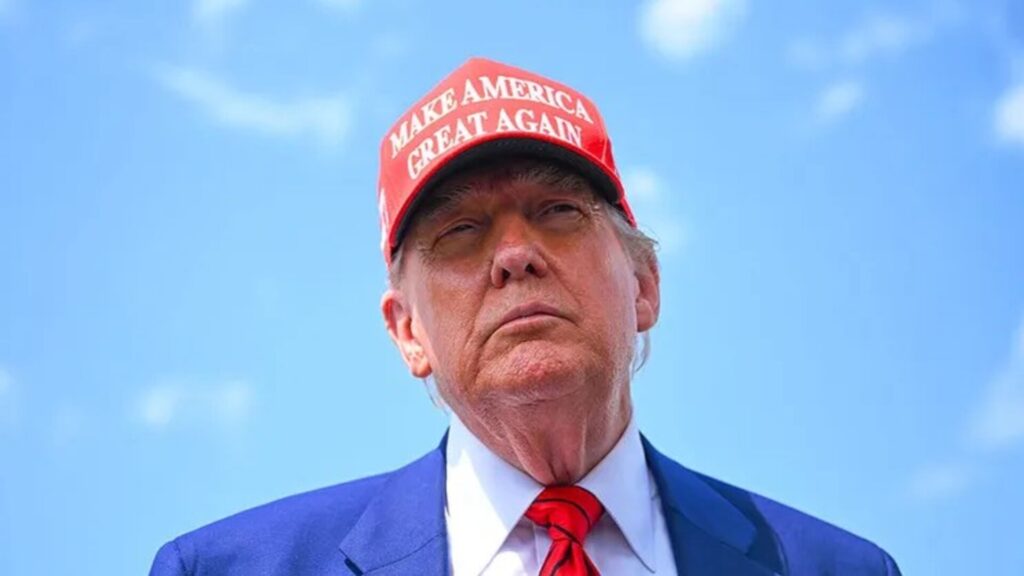
The recent US Supreme Court ruling rejecting former President Donald Trump’s bid to end birthright citizenship has caused significant turmoil within the MAGA (Make America Great Again) movement. The Court’s decision upholds the principle that children born on US soil, regardless of their parents’ immigration status, are entitled to automatic US citizenship. This longstanding interpretation of the 14th Amendment has been a cornerstone of American legal precedent but has faced renewed scrutiny and challenge within conservative and nationalist circles.
The backlash from MAGA supporters stems from their belief that automatic citizenship for children of undocumented immigrants encourages illegal immigration and creates a pathway to citizenship that undermines immigration laws. Trump’s attempt to curtail birthright citizenship was part of his broader agenda to restrict immigration and bolster national security, viewing it as a critical policy tool to reduce illegal entry and subsequent claims to citizenship.
However, the Supreme Court’s refusal to intervene has been perceived by many in the MAGA camp as a setback, intensifying frustrations over immigration policies. They argue that the Constitution’s language should not guarantee citizenship to children of non-citizens without stricter legislative controls.
Critics of the ruling argue that the decision preserves essential civil rights and the constitutional guarantee of equal protection under the law. They emphasize that birthright citizenship is fundamental to preventing statelessness and ensuring that all children born in the United States have access to the rights and privileges of citizenship.
The ruling also highlights the ongoing debate in the US regarding immigration reform and the balance between sovereignty, human rights, and constitutional protections. While immigration remains a deeply divisive issue, the Supreme Court’s decision reaffirms established legal interpretations and adds momentum to calls for comprehensive immigration legislation.
MAGA’s meltdown reflects the broader tensions within the Republican Party and conservative movement as they grapple with immigration policy and the limits of judicial power. Supporters are now looking toward legislative solutions and potential changes in future administrations to revisit the issue.
In summary, the Supreme Court birthright citizenship ruling has underscored the polarizing nature of immigration in American politics. By upholding constitutional guarantees, the Court has challenged a key plank of the MAGA platform, fueling controversy and division within the movement and the nation at large.