In a significant and controversial development in the eastern Indian state of West Bengal, millions of residents have been removed from the electoral rolls following a recent revision. This act, undertaken amid political contention, has not only affected their voting rights but is now threatening their eligibility for vital government welfare benefits.
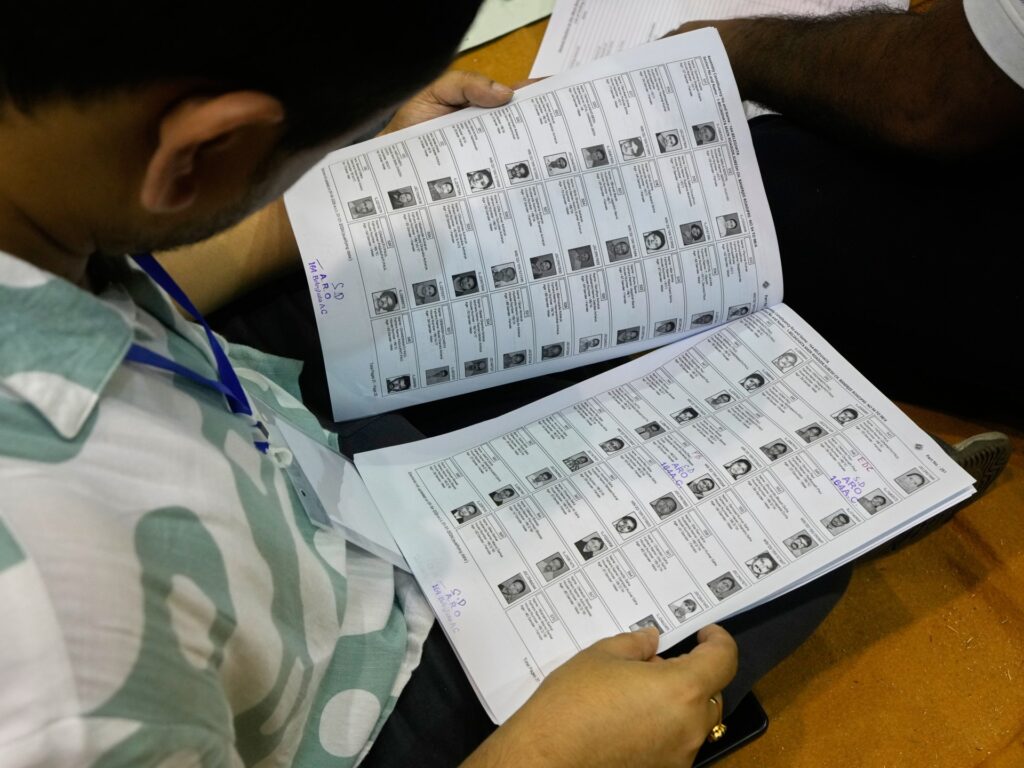
The revision process, initiated by the Election Commission, aimed to update and rectify the voter lists ahead of upcoming elections. However, it resulted in the deletion of several million names, sparking outrage and concern among communities and political parties alike.
Opposition groups have criticized the move as a politically motivated attempt to disenfranchise certain populations, while the ruling BJP government has declared that those removed from the electoral rolls will not qualify for government aid programs. This stance has raised alarm among civil rights advocates and affected citizens, who rely heavily on state-sponsored social welfare schemes.
The affected welfare benefits include subsidies for food, housing assistance, healthcare programs, and educational support. These programs form a lifeline for millions of low-income families in Bengal, a state with a large rural population vulnerable to economic hardships.
The BJP’s declaration is rooted in the policy framework that links electoral roll inclusion with eligibility for welfare benefits, a guideline that critics argue is discriminatory and exclusionary. Many of those removed reportedly belong to marginalized communities, exacerbating fears of social and economic marginalization.
Local leaders and activists have organized protests and launched legal challenges against the electoral roll revision, seeking to reinstate the disenfranchised and restore their access to welfare provisions. Human rights organizations have called for an independent review of the deletion process, emphasizing the need for transparency and adherence to democratic principles.
The Election Commission has defended the revision as a necessary step to maintain the integrity of the voter list and deny voting rights to non-eligible persons. However, critics argue that the process lacked sufficient safeguards to prevent wrongful exclusions and failed to provide adequate redress mechanisms for those affected.
This controversy unfolds in the backdrop of politically charged state elections, with both major parties accusing each other of attempts to manipulate voter rolls for electoral advantage. The dispute highlights broader national conversations about electoral fairness, social justice, and the intersection of citizenship rights with social welfare.
As the legal and political battles continue, millions of Bengalis remain uncertain about their future access to both electoral participation and crucial government support. The outcome of this issue could have profound implications for electoral policies and welfare frameworks across India.
In summary, the deletion of millions from West Bengal’s electoral rolls has not only sparked political turmoil but has also jeopardized the welfare benefits of many vulnerable individuals. The BJP’s stance on linking electoral roll inclusion to eligibility for aid has intensified debates on human rights and democratic inclusion, underscoring the urgent need for clear, fair, and inclusive policy reforms.