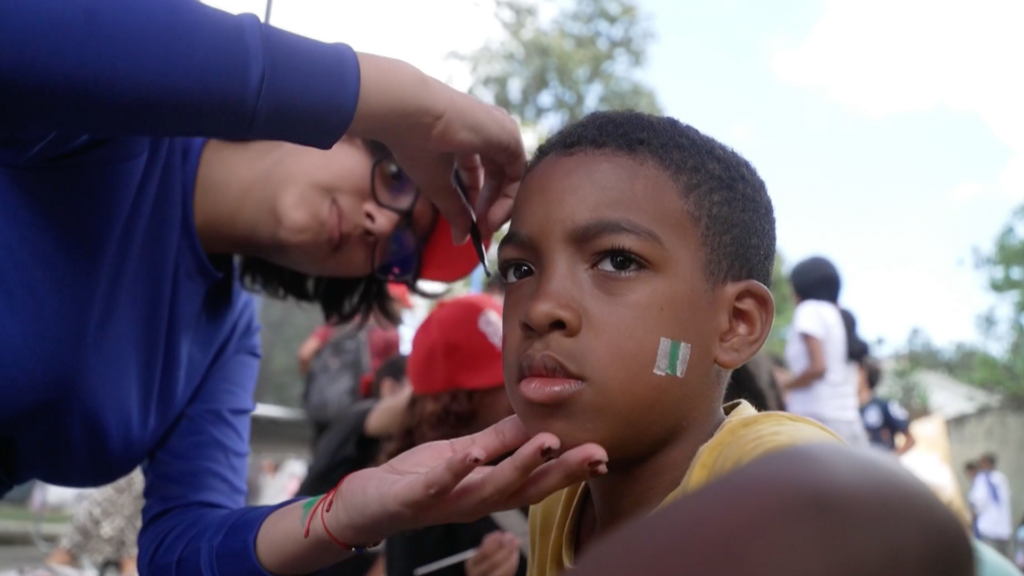
In the wake of the recent twin earthquakes that shook Caracas, a public park in the city has been repurposed into a vibrant center of activities aimed at helping children cope with the trauma and disruption caused by the natural disasters.
The twin quakes, which struck Caracas within a short interval, caused widespread distress among residents, especially among the younger population who experienced fear and anxiety due to the unexpected tremors and the aftermath.
Recognizing the urgent need to provide psychological support and a sense of normalcy, local authorities and community organizations collaborated to convert the once-ordinary park into a dynamic space where children could engage in various therapeutic and recreational activities.
The park now hosts a range of programs designed to aid emotional recovery, including art therapy sessions, music and dance workshops, storytelling circles, and group games. These activities are structured to help children express their feelings, process their experiences, and build resilience in a supportive environment.
Art therapy sessions allow children to use painting and drawing as outlets for their emotions. Many children have found solace in creating vibrant pieces that reflect both their fears and hopes. Music and dance workshops are another pillar of the initiative, providing a joyful atmosphere that encourages movement and rhythm to relieve stress.
Storytelling sessions have also played an integral role by fostering imagination and providing children with comforting narratives that often incorporate themes of overcoming adversity. Group games promote social interaction and cooperation, helping to rebuild a sense of community and friendship among the children.
Parents and caregivers have expressed gratitude for the initiative, noting that it has helped their children regain a sense of stability and happiness amid the ongoing challenges. Psychologists and volunteers working in the park report noticeable improvements in the children’s mood and behavior, highlighting the positive impact of such community-led efforts.
The transformation of the park serves as a powerful example of resilience and community solidarity in the face of natural disasters. It demonstrates how public spaces can be reimagined to meet urgent social and emotional needs during times of crisis.
Officials hope that the success of this initiative will inspire similar efforts in other parts of the city and beyond, promoting the integration of mental health support within disaster response strategies.
As Caracas continues to recover from the twin quakes, the park remains a beacon of hope and recovery, embodying the spirit of healing through collective care and creative expression for its youngest residents.