As discussions of potential talks between Iran and the United States loom, Tehran’s negotiators are honing in on several critical issues that could define the trajectory of any future dialogue. At the forefront of Iran’s agenda are the pivotal topics of the Strait of Hormuz, the status of frozen funds, and the situation in Lebanon.
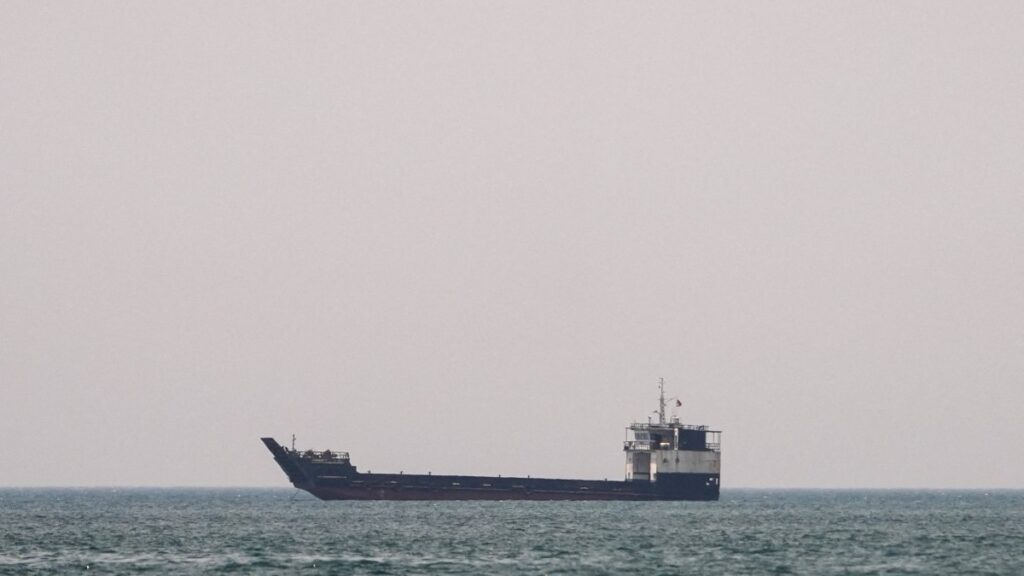
The Strait of Hormuz remains a strategically vital and sensitive maritime corridor through which a significant portion of the world’s oil supply transits. Iran’s interest in this region stems not only from its geographic control over one side of the strait but also from its desire to assert influence and security guarantees that can protect its national interests and economic stability. Any talks with the US will likely include discussions on maritime security and the freedom of navigation through this critical chokepoint.
Another central concern for Iran is the issue of frozen Iranian funds abroad. Multiple billions of dollars remain locked in foreign banks due to international sanctions imposed primarily by the United States over Iran’s nuclear program and other geopolitical tensions. The release of these assets is a major financial demand from Tehran, seen as key to easing economic pressures and humanitarian needs exacerbated by sanctions.
In addition to these economic and security issues, Iran’s negotiators are deeply focused on the situation in Lebanon. Iran has longstanding political and military ties with Lebanese groups, most notably Hezbollah, which play a crucial role in the region’s power balance. Discussions may explore the future of Iran’s involvement in Lebanon—its influence, support mechanisms, and the broader implications for regional stability and the involvement of the US and its allies.
Iran’s approach to any potential talks is rooted in ensuring its sovereignty and regional influence are respected while seeking economic relief aimed at alleviating the impacts of prolonged sanctions. The interplay between these concerns highlights a complex negotiation landscape where both nations will have to weigh strategic concessions and potentially reframe their diplomatic engagement.
The pressing nature of these issues—straddling economic survival, regional security, and geopolitical influence—means that any upcoming talks could be fraught with challenges. However, they also represent a critical opportunity for dialogue and possibly de-escalation in an often tense US-Iran relationship.
In summary, as the possibility of renewed talks surfaces, Iran’s priorities are clear: securing control and respect over the Strait of Hormuz, retrieving frozen funds that could fuel its economy, and maintaining its influential role in Lebanon. These focal points will likely shape the agenda and tone of any negotiations, reflecting Tehran’s broader strategic objectives amidst a backdrop of enduring tensions and potential for change.