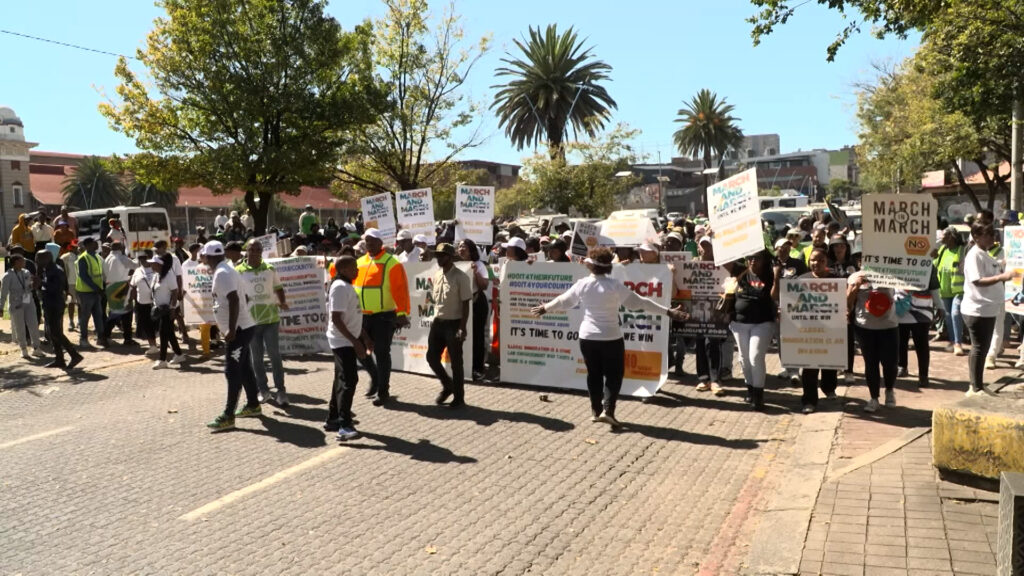
In recent weeks, South Africa has witnessed a surge in anti-immigrant protests, prompting thousands of undocumented migrants to rapidly flee the country. The protests, marked by tensions and violent outbreaks, have created an environment of fear and insecurity among migrant communities.
The demonstrations, fueled by economic challenges and social frustrations, target immigrants whom many locals blame for job scarcity and increased competition for limited resources. This scapegoating has intensified xenophobic sentiments, leading to aggressive protests in various urban centers.
Undocumented migrants, who often lack legal protection and access to social services, find themselves particularly vulnerable amid the escalating hostility. Many have begun to leave South Africa in large numbers, seeking safety and stability in neighboring countries or returning to their home nations.
The South African government has condemned the violence and pledged to protect all residents regardless of their nationality. However, critics argue that more proactive measures are needed to address the root causes of xenophobia and to support integration efforts.
International organizations have expressed deep concern over the situation, urging South Africa to uphold human rights standards and provide humanitarian assistance to displaced migrants. The exodus of undocumented individuals also raises questions about border management and immigration policies in the region.
Economic factors such as unemployment and poverty have been driving frustrations for years, but recent political rhetoric has exacerbated the situation, leading to more explicit targeting of migrants. Activists call for increased dialogue and community-based interventions to foster tolerance and coexistence.
Human rights groups report that many fleeing migrants face dangerous journeys and uncertain futures. The loss of these populations could impact South Africa’s cultural diversity and labor market, particularly in informal sectors where many migrants contribute significantly.
Regional leaders have been prompted to discuss collaborative efforts to manage migration flows, improve legal pathways, and combat xenophobia. Such cooperation is deemed crucial for ensuring stability and safety across Southern Africa.
The current crisis underscores the urgent need for comprehensive immigration reform and social policies that promote inclusion, protect vulnerable populations, and address the economic grievances fueling anti-immigrant sentiments.
As South Africa grapples with these challenges, the plight of undocumented migrants highlights broader issues of human rights, social justice, and the complexities of migration in a globalized world. The coming months will be critical in determining whether the country can heal divisions and build a more inclusive society that respects the dignity of all residents.