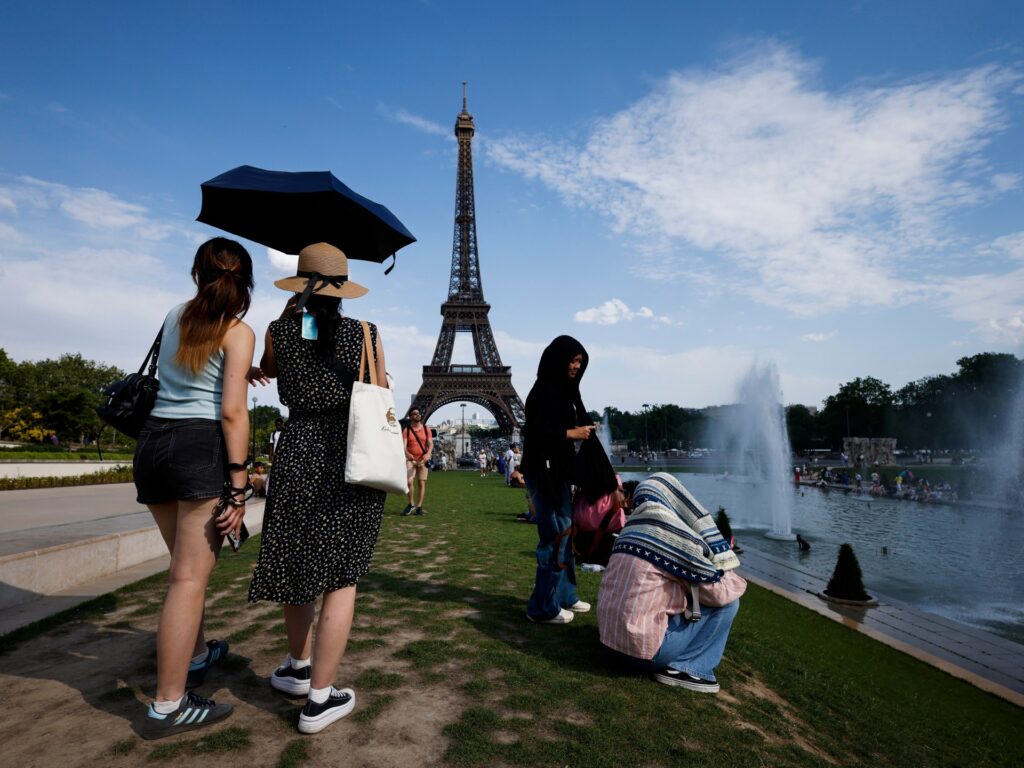
Europe is currently grappling with an unprecedented heatwave that has pushed temperatures to a scorching 40 degrees Celsius (104 degrees Fahrenheit) or higher in several regions. This extreme weather event has already resulted in more than 1,300 deaths across the continent, sparking urgent discussions on what actions countries can take to mitigate the deadly impacts of such heatwaves.
The extreme heat poses significant health risks, particularly to vulnerable populations such as the elderly, children, and those with pre-existing health conditions. Heatwaves can cause dehydration, heat exhaustion, heatstroke, and exacerbate cardiovascular and respiratory diseases. The tragic death toll underscores the need for immediate and long-term strategies aimed at reducing heat-related mortality.
Governments and local authorities can implement several measures to protect their citizens:
1. Public Health Alerts and Awareness Campaigns: Rapid dissemination of information about the dangers of heatwaves and steps to stay safe can help reduce risky behavior. Authorities should use media outlets, social platforms, and community networks to reach all demographics.
2. Cooling Centers and Emergency Shelters: Setting up air-conditioned public spaces or shelters where vulnerable individuals can escape the heat can save lives. These centers should be accessible, well-advertised, and equipped with medical support if needed.
3. Urban Planning and Green Infrastructure: Long-term strategies such as increasing green spaces, planting trees, and improving urban design can help mitigate the urban heat island effect. Green infrastructure cools cities by providing shade and increasing moisture in the air.
4. Water Supply and Hydration Programs: Ensuring that clean drinking water is widely available, especially in public spaces and transit hubs, helps prevent dehydration. Subsidized or free water distribution can be crucial during peak heatwaves.
5. Support for At-Risk Groups: Targeted outreach programs for the elderly, homeless, and chronically ill to provide assistance, check-ins, and support can substantially reduce mortality during heatwaves.
6. Infrastructure and Energy Resilience: Strengthening power grids to avoid blackouts during peak demand times and ensuring that cooling systems remain operational is vital.
7. Policy and International Cooperation: Governments need robust heat action plans and should collaborate across borders to share data, strategies, and best practices.
Climate change is increasing the frequency and severity of heatwaves globally. Europe’s current crisis is a grim reminder of the urgent need for comprehensive heatwave preparedness and climate adaptation strategies. Failure to act decisively could result in even more catastrophic health outcomes in the future.
In conclusion, as Europe endures record-breaking temperatures and devastating human loss, coordinated efforts that combine immediate life-saving actions with sustainable planning and climate mitigation are essential to protect populations from the growing threat of heatwaves.