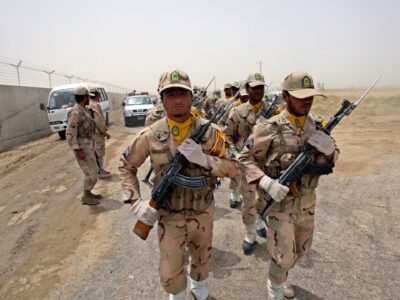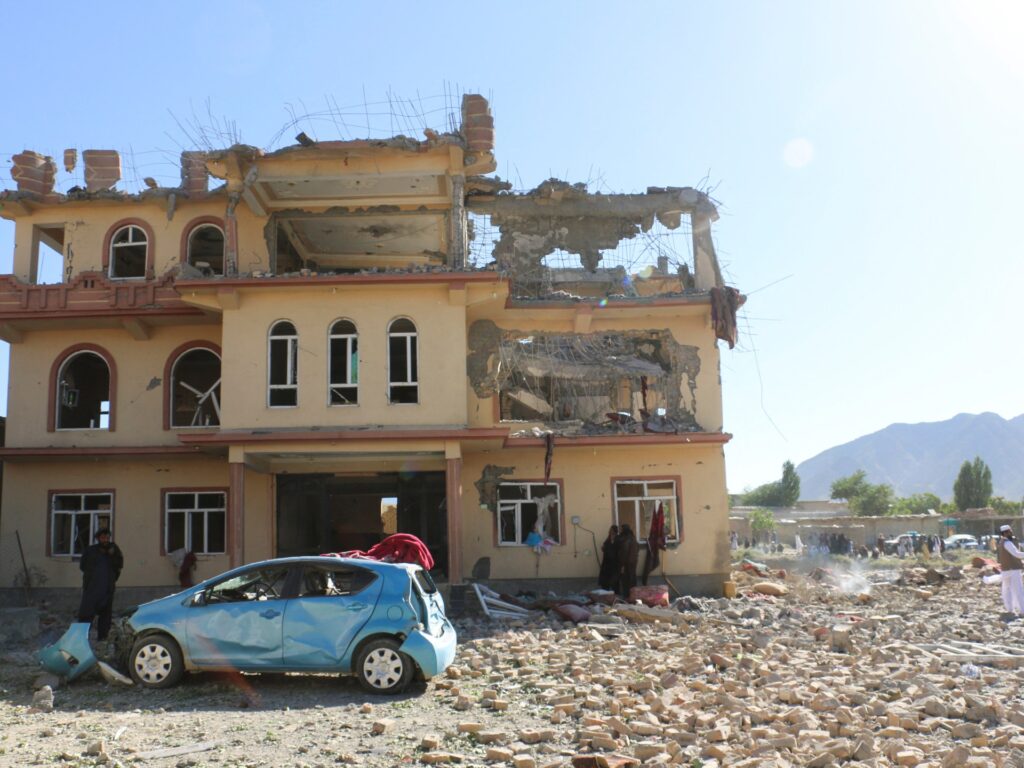
In recent years, Pakistan has intensified its military operations, including air strikes targeting militant groups across the border in Afghanistan. Despite these efforts, armed attacks within Pakistan have not only persisted but also expanded, reaching major urban centers. Analysts emphasize that military pressure alone is insufficient to curb the threat posed by armed groups, as the complexity of the issue demands a multifaceted approach.
Pakistan’s use of cross-border air strikes aims to dismantle militant networks believed to harbor in Afghanistan’s tribal areas. These operations are intended to reduce the capability of groups that launch attacks inside Pakistan. However, the continuation of armed attacks reveals the limitations of such strategies.
Experts argue that while air strikes may degrade militant infrastructure temporarily, they do not address the underlying political, social, and economic factors fueling militancy. Militants often find sanctuary in areas where governance is weak, and where grievances related to marginalization, unemployment, and lack of development remain unaddressed.
Moreover, the porous and often uncontrolled border between Pakistan and Afghanistan complicates efforts to stem the flow of militants and weapons. Cross-border movement facilitates insurgents’ ability to regroup, rearm, and launch attacks into Pakistani territory with relative ease.
Another challenge lies in the diverse composition of armed groups. Many have complex affiliations, shifting alliances, and diversified sources of support. As a result, targeting one group with military force can lead to the emergence of splinter factions or the rise of alternative militant organizations.
Security analysts caution against relying solely on military solutions, underscoring the need for comprehensive strategies that integrate political dialogue, economic development, and regional cooperation. Diplomatic engagement with Afghan authorities and neighboring countries is seen as crucial to fostering stability in the border regions.
Community engagement and addressing local grievances are also vital in undermining the influence of militant groups. Strengthening governance, improving access to education, and creating employment opportunities can contribute to reducing the appeal of militancy among vulnerable populations.
Pakistan faces the challenge of balancing immediate security concerns with long-term efforts to foster peace and stability. The repeated air strikes highlight a reactive approach aimed at immediate threats but fall short of a strategic roadmap for lasting stability.
Ultimately, analysts warn that eliminating armed attacks requires a nuanced understanding of the multifaceted threats and a coordinated approach that goes beyond military actions. Without such a comprehensive strategy, the cycle of violence and insecurity in Pakistan’s cities is likely to continue.