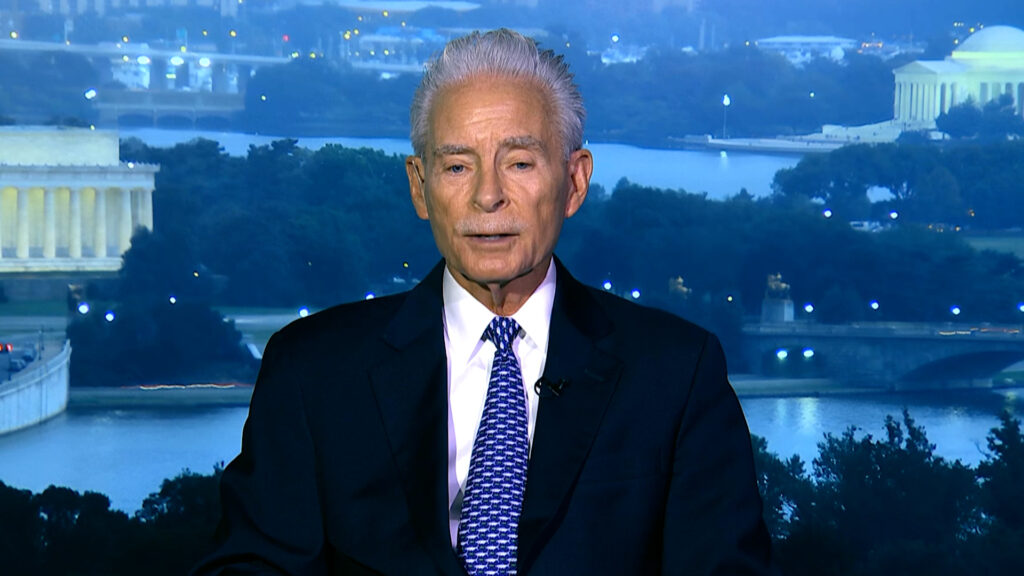
The recent cycle of military exchanges between the United States and Iran seems to have reached an end, according to Richard Schmierer, former US Ambassador to Oman. This assessment brings a hopeful note to a tense and volatile period marked by tit-for-tat attacks that have raised concerns internationally.
Richard Schmierer, a seasoned diplomat with extensive experience in Middle Eastern affairs, highlighted that the recent confrontations had likely run their course. The attacks, which included missile strikes and drone engagements, had created a fragile environment where any further escalation could have led to severe regional instability.
The backdrop of these events involves a long history of strained relations between the two nations, with tensions escalating over issues such as nuclear program disputes, sanctions, and proxy conflicts within the Middle East. In recent months, both countries engaged in a series of retaliatory strikes, each responding to perceived provocations.
Schmierer emphasized that the lack of subsequent military actions suggests a tacit mutual understanding to halt the cycle, at least temporarily. This pause could open channels for diplomatic dialogue, although significant challenges remain.
Experts warn that while the current lull is welcome, it does not necessarily signal a permanent resolution. The underlying disputes between the US and Iran require comprehensive diplomatic efforts to prevent future outbreaks of violence.
The cessation of tit-for-tat attacks is a relief not only to the direct actors but also to the international community, which has been watching with apprehension. Continued instability in the region threatens global security, particularly in strategic areas such as the Persian Gulf.
Ambassador Schmierer’s insights suggest that behind-the-scenes communications might have played a role in de-escalation. Such discreet diplomacy is often critical in sensitive conflict scenarios, providing a pathway to avoid uncontrollable escalation.
The US and Iran remain at odds over various geopolitical and security concerns. However, this recent development shows a moment of restraint and an opening for potentially more constructive engagement.
Regional countries and global powers are closely monitoring the situation, aware that stability in the Middle East is crucial for broader international peace and economic stability.
While cautious optimism prevails, the situation remains fluid. Analysts point out that renewed tensions could flare if provocations resume or if diplomatic efforts falter.
For now, the apparent end of tit-for-tat military attacks marks an important milestone. It may serve as a foundation upon which more robust peace initiatives could be built.
As Ambassador Schmierer and other experts recommend, sustained diplomatic engagement and addressing core issues head-on are vital steps toward long-term peace and security in this geopolitically significant region.