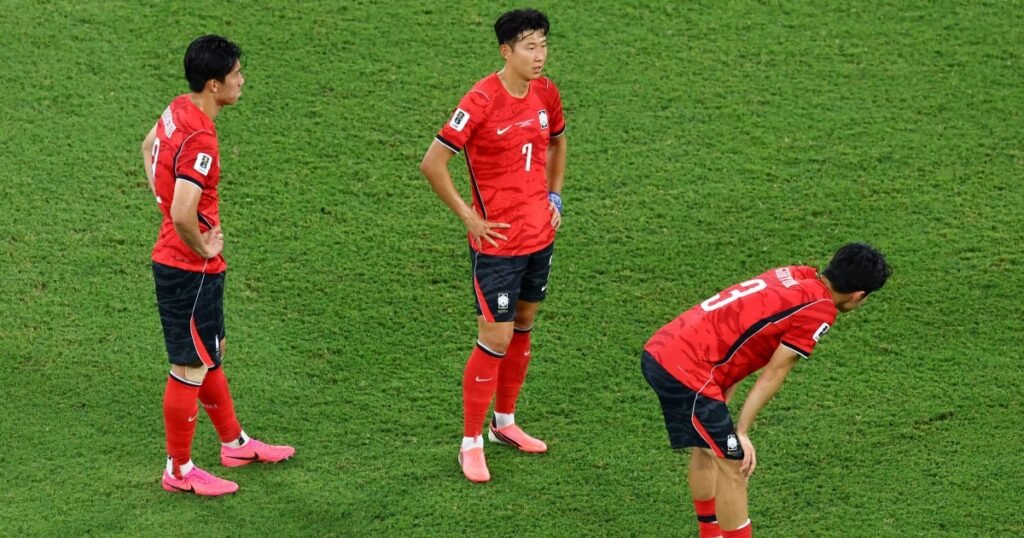
South Korea’s early exit from the World Cup, being eliminated at the group stage, has triggered a significant reaction from various quarters within the country. The disappointing performance has led to the resignation of the national team coach, indicating deep dissatisfaction with the team’s results and overall strategy.
In the wake of the elimination, South Korean President expressed serious concern over the outcome and has called for a comprehensive probe into the factors that led to the premature exit. This move underscores the high expectations for the national team and the desire for a thorough investigation to understand any shortcomings in preparation, management, or execution.
Former players and fans alike have joined in voicing their dissatisfaction, demanding changes within the football association and the national team setup. The calls include demands for restructuring coaching staff, better training facilities, and increased investment in youth development to ensure future competitiveness on the world stage.
The situation marks a critical moment for South Korean football, emphasizing the need for systematic review and reform to elevate the national team’s performance. The collective demand from the leadership, past players, and supporters reflects a broader commitment to strengthening the sport domestically and improving international results.
As the investigation progresses, all eyes will be on the outcomes and any strategic decisions that the football governing body makes. The aim is to restore national pride through enhanced performance and to build a team that can progress further in future World Cups.
This episode is a reminder of football’s significant cultural importance in South Korea, where success on the global stage is not only a matter of national pride but also a reflection of the country’s sporting ambitions. The aftermath of the World Cup exit presents an opportunity for introspection and a renewed focus on long-term success.
The resignation of the coach signifies accountability, but it also opens the door to new leadership and fresh ideas. Stakeholders are hopeful that this will catalyze positive change and improved results in upcoming international competitions.
In conclusion, South Korea’s World Cup exit has sparked a nationwide dialogue on the future of Korean football. From the president to former players and fans, the message is clear: change is necessary, and it must be swift and effective to reclaim their position in world football.