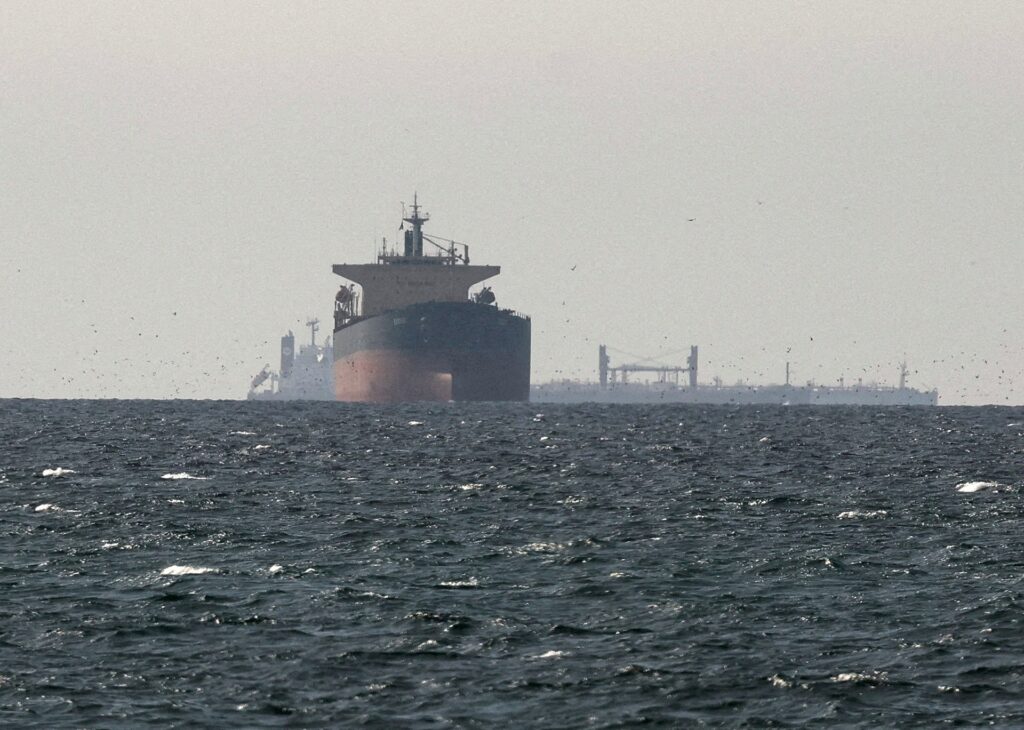
Article 5 of the Iran-US Memorandum of Understanding (MoU) pertains to navigation and security arrangements in the Strait of Hormuz, a strategic maritime chokepoint through which a significant portion of the world’s oil supply passes. This article is designed to regulate and facilitate safe passage of vessels, ensuring maritime security and preventing conflicts.
The Strait of Hormuz sees substantial geopolitical tensions due to its vital importance for global energy transportation. Iran, which controls the northern shores of the Strait, and the US, which has significant interests in Gulf security and freedom of navigation, have often clashed over the passage rights and military presence in this region.
Article 5 essentially sets guidelines for both countries about how military and commercial vessels should act while transiting the Strait. It aims to prevent misunderstandings or incidents that could escalate into larger conflicts. However, the implementation and interpretation of this article have been highly contentious.
Iran blames the MoU’s Article 5 for provoking increased military activity and surveillance by the US, which Tehran views as a threat to its sovereignty and security. From Iran’s perspective, the US has used this article as a justification to intensify naval presence and conduct exercises in and around the Strait, which Tehran interprets as an act of aggression.
On the other hand, the US argues that its actions under Article 5 are necessary to ensure freedom of navigation and to counter Iran’s attempts to exert control over the Strait. Washington contends that the article provides a legal framework that obligates both parties to respect navigation rights and prevent disruptions or attacks on commercial shipping.
The latest series of strikes and incidents in the Strait of Hormuz have highlighted the fragile nature of this agreement. Both nations accuse each other of violating the MoU’s provisions, with Iran allegedly targeting commercial vessels and US forces responding with increased patrols and sanctions.
These exchanges have turned the Strait into a flashpoint, threatening global oil supplies and raising the risk of a military confrontation. The blame placed on Article 5 stems from the fact that its ambiguity and contrasting interpretations have failed to establish clear operational protocols or mutual trust.
In conclusion, Article 5 of the Iran-US MoU, while intended to regulate maritime navigation and ensure security, has instead become a source of conflict due to differing national interests and interpretations. The recurrent tensions and attacks in the Strait of Hormuz underscore the need for a revised and more transparent framework to manage this critical waterway peacefully and effectively.