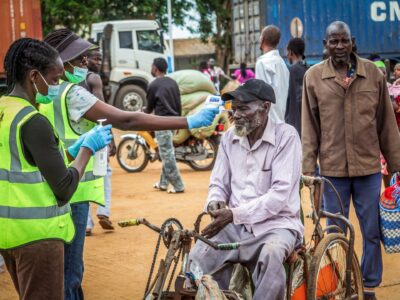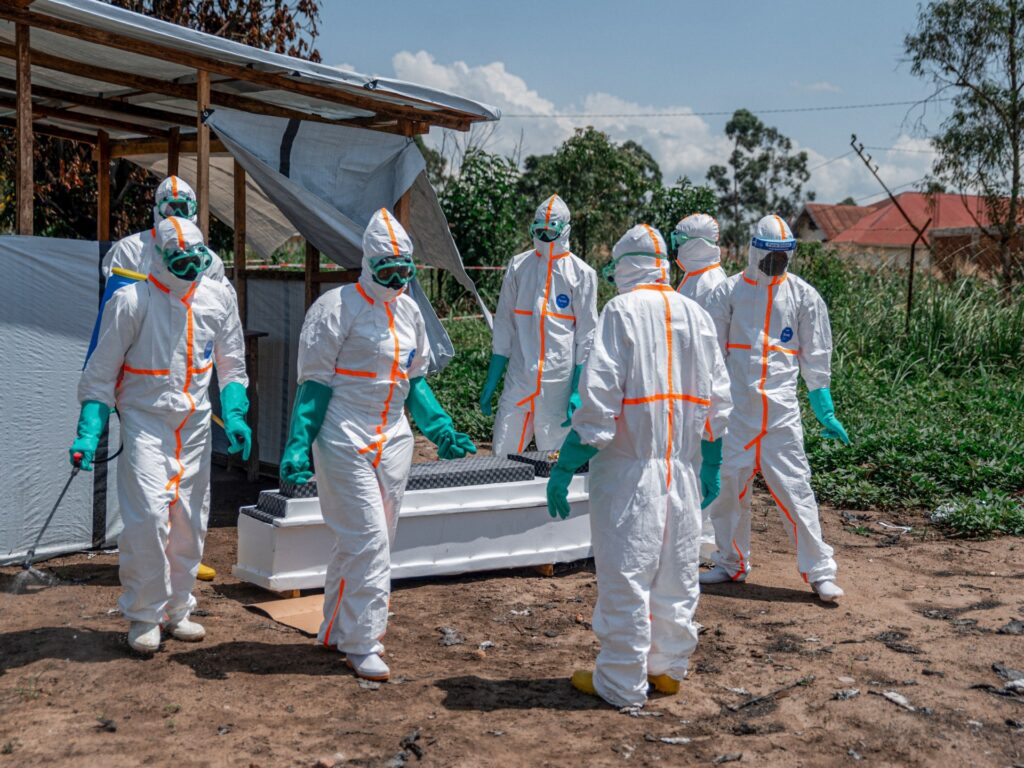
The ongoing Ebola outbreak remains a formidable public health crisis, exacerbated by severe humanitarian challenges in the affected regions. Health officials emphasize that a successful response to this deadly virus cannot be achieved without simultaneously addressing the underlying humanitarian needs.
Ebola virus disease is highly contagious and lethal, spreading rapidly in communities with limited access to healthcare, clean water, and sanitation. The current outbreak has overwhelmed local health systems, making containment efforts extremely difficult. Medical teams require not only medical supplies and protective equipment but also stable living conditions and community cooperation to effectively trace and isolate cases.
Humanitarian aid plays a critical role in providing these necessities. By supplying food, clean water, shelter, and basic healthcare, aid organizations help reduce the vulnerabilities that facilitate Ebola’s spread. Nutrition supports immunity, while clean water and sanitation minimize transmission risks. Furthermore, when communities receive humanitarian support, they are more likely to trust health workers, allowing for efficient contact tracing and treatment.
Health officials point out that the Ebola outbreak is not merely a medical issue but a complex humanitarian emergency. Displacement, food insecurity, and disrupted social services compound the crisis, forcing people into overcrowded conditions where the virus spreads more easily. Addressing these factors through coordinated humanitarian assistance is essential to breaking the chain of transmission.
Moreover, psychological support and community engagement, key components of humanitarian aid, help reduce fear and misinformation that often hinder outbreak responses. Educating communities about Ebola prevention and encouraging safe practices can only be effective if people’s basic needs are met.
International support and funding are vital to sustain these efforts. Without adequate humanitarian aid, medical interventions face significant barriers due to the socio-economic impact of the outbreak. Comprehensive strategies that integrate medical and humanitarian responses are proving to be the most effective way to bring the outbreak under control.
In conclusion, the Ebola response demands more than just medical solutions. It requires a holistic approach that includes robust humanitarian aid to address the broader crisis. This combined strategy not only saves lives during the outbreak but also strengthens affected communities against future emergencies.