In a significant escalation of tensions, the United States has launched strikes against Iran for the second consecutive day. This comes shortly after Congress issued a clear directive to President Donald Trump, stating that he must either seek congressional approval to continue military actions against Iran or cease them altogether. This unfolding situation raises pressing questions about the legality of the strikes and the adherence to the War Powers Resolution.
The War Powers Resolution, enacted in 1973, is a federal law intended to check the president’s power to commit the US to armed conflict without the consent of Congress. It requires the president to notify Congress within 48 hours of committing armed forces to military action and limits hostilities to 60 days, with a further 30-day withdrawal period, unless Congress authorizes a longer engagement.
Congress’ recent instructions to the Trump administration came amid concerns over prolonged military engagements without sufficient legislative oversight. Lawmakers emphasized the constitutional role of Congress in declaring war and questioned the unilateral nature of executive military actions against Iran.
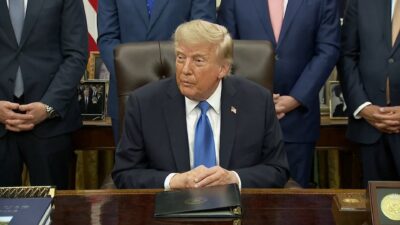
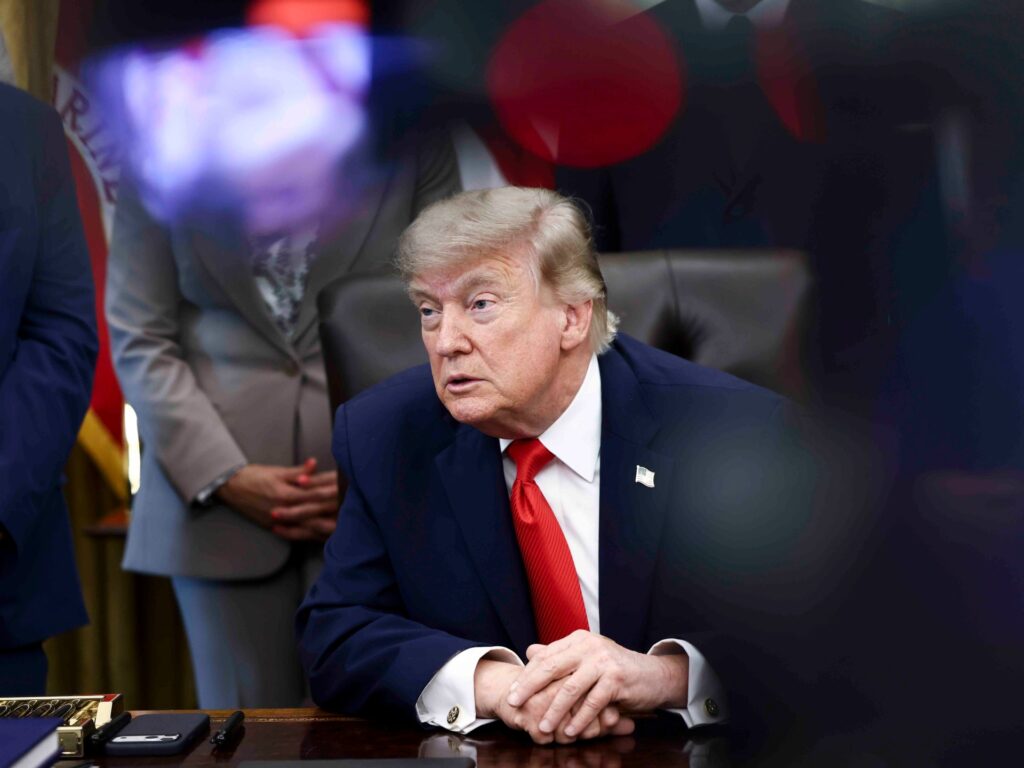
Despite these congressional warnings, President Trump has resumed and intensified attacks on Iranian targets. This move has sparked widespread debate among legal experts, politicians, and international observers about whether these actions constitute a violation of the War Powers Resolution.
Supporters of the administration argue that the strikes are defensive measures necessary to protect American interests and personnel in the region. They contend that the president has inherent authority as Commander-in-Chief to act swiftly in the face of imminent threats without prior congressional approval.
Critics, however, maintain that the strikes lack explicit authorization from Congress, thus breaching the War Powers Resolution. They warn that circumventing legislative approval undermines the constitutional system of checks and balances, potentially setting a dangerous precedent for future military engagements.
The White House has yet to provide a detailed legal justification addressing the Resolution’s requirements. Meanwhile, Congress is considering potential resolutions to compel the administration to halt military actions against Iran unless proper authorization is obtained.
Internationally, allies and adversaries alike are watching closely. The strikes escalate instability in an already volatile region, raising alarms about further conflict and diplomatic fallout.
Legal scholars are closely analyzing the situation to understand the boundaries of executive power during military crises. The core issue revolves around whether defending against perceived immediate threats can bypass established norms requiring congressional oversight.
This episode underscores the ongoing tension between rapid executive decision-making in foreign affairs and the legislative branch’s constitutional authority to regulate war declarations and military funding.
As the US continues its strikes against Iran without explicit congressional approval, the debate over the legality and political ramifications of such actions will undoubtedly intensify. The outcomes of this confrontation could reshape future interactions between the presidency and Congress regarding military engagements.
Ultimately, this situation highlights the complexity of balancing national security interests with preserving democratic processes and ensuring accountability in matters of war and peace.