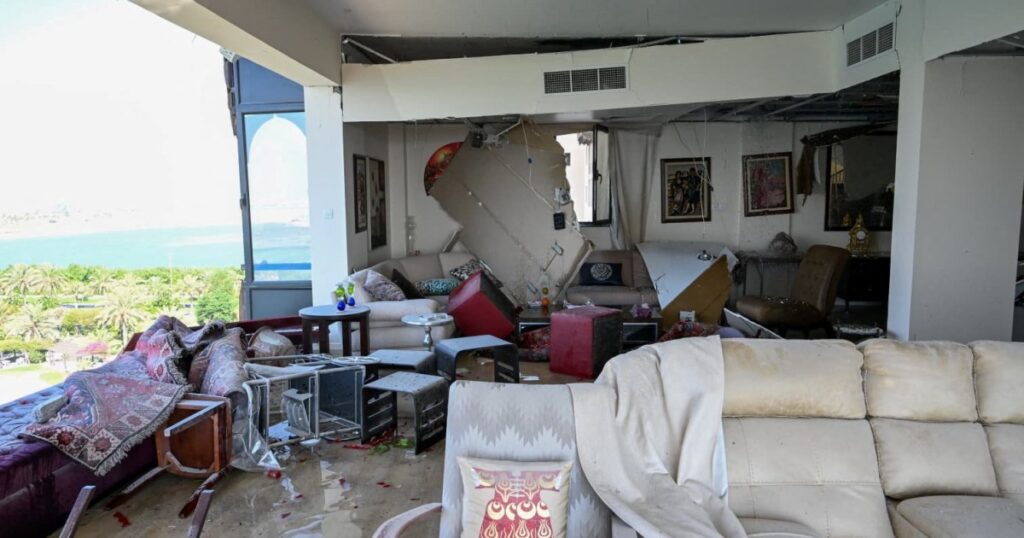
A significant escalation has emerged in the ongoing conflict involving the United States and Iran, as Iran mounted attacks on Kuwait and Bahrain in direct response to recent US strikes. This development marks a sharp turn in regional dynamics and complicates the already fraught relations between these nations.
The conflict roots back to US military actions targeting Iranian assets, which prompted Iran to retaliate by targeting Kuwaiti and Bahraini territories. Both Kuwait and Bahrain have swiftly condemned the Iranian actions, categorizing them as aggressive and unjustified. These condemnations signal a deepening rift and heightened tensions in the Gulf region.
Diplomatic efforts have been longing to de-escalate tensions between the US and Iran, with some hopes pinned on potential negotiations and agreements. The recent attacks undermine these efforts and cast serious doubts on the viability of a lasting US-Iran deal. The involvement of Kuwait and Bahrain, US allies in the Gulf, adds complexity to the regional security scenario and international diplomatic landscape.
Officials from Kuwait and Bahrain have urged restraint and called for dialogue to prevent further deterioration of peace and stability in the Gulf. The attacks have raised alarm among neighboring countries, fearing a broader conflict that could disrupt global energy supplies and destabilize international markets.
The United States has condemned Iran’s retaliatory strikes, reiterating its commitment to protecting its allies and maintaining security in the Gulf. The Pentagon has announced heightened readiness and increased surveillance over the affected regions to deter further hostilities.
International observers emphasize the urgency of renewed diplomatic discussions and the importance of multi-lateral engagement to address the underlying issues fueling this conflict. The economic and human costs of sustained hostilities could be profound, affecting thousands if not millions across the Middle East.
Meanwhile, intelligence reports suggest that both Iran and the US are assessing their next strategic moves, with an increased risk of miscalculation leading to broader confrontation. The situation remains highly fluid, with the potential for further escalations or, hopefully, eventual diplomatic breakthrough.
As the world watches, the attacks signify a critical juncture in Middle Eastern geopolitics, underscoring the fragile nature of peace in the region and the international community’s role in fostering stability and dialogue.