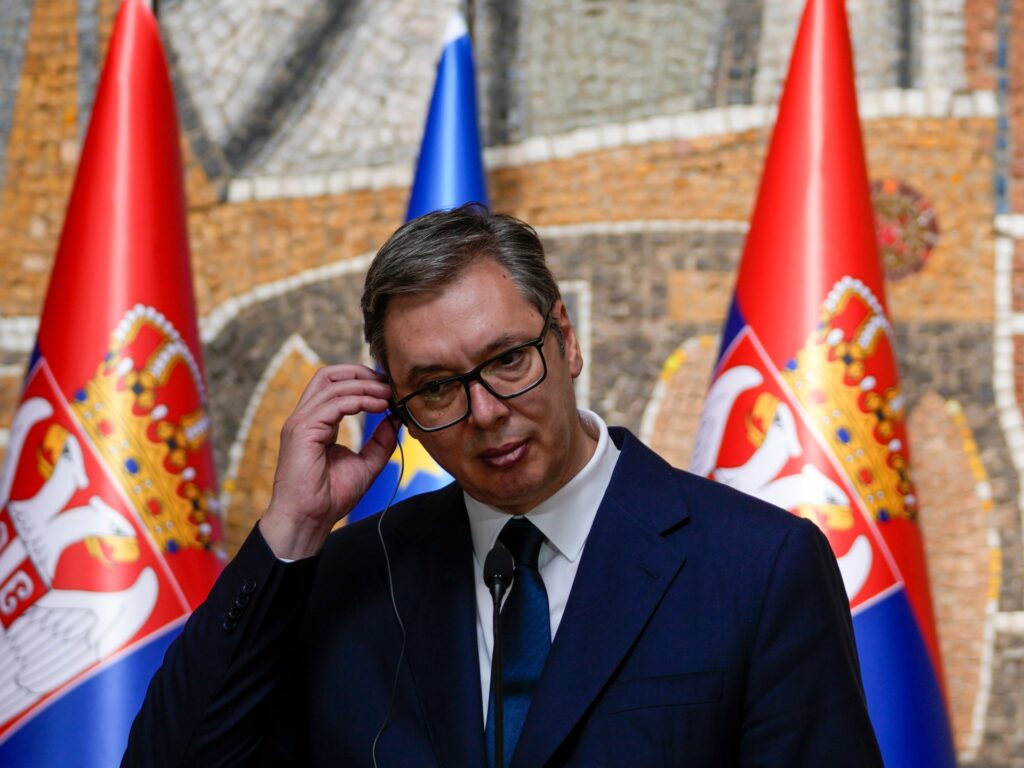
In a significant political development, Serbia’s President Aleksandar Vucic has declared that he will resign from his position within weeks. This announcement comes after enduring months of sustained antigovernment protests that have put immense pressure on his administration. The protests, which have mobilized a broad spectrum of society, reflect deep-seated dissatisfaction with the current political climate, governance issues, and calls for systemic reforms.
President Vucic, who has been a dominant figure in Serbian politics for years, appears to be responding to the mounting public outcry seeking change. The decision to step down signals a critical moment in Serbia’s political trajectory, opening potential pathways for new leadership and reform.
The antigovernment demonstrations have been characterized by widespread participation, expressing grievances ranging from concerns over corruption and democratic backsliding to demands for greater transparency and accountability from political leaders. These protests have occasionally resulted in confrontations, reflecting the intensity of public sentiment against the administration.
Vucic’s pending resignation raises questions about the immediate future of Serbian governance. Analysts suggest that this move could either lead to political instability in the short term or catalyze a transition to a more inclusive political environment, depending on how the succession process unfolds.
The Serbian political establishment faces a pivotal moment as parties and leaders navigate the post-Vucic era. International observers are also keenly watching the situation, given Serbia’s strategic importance in the Balkans and its aspirations for closer ties with the European Union.
President Vucic’s tenure has been marked by significant economic and infrastructural initiatives, but also controversies regarding media freedom and the concentration of power. His resignation might pave the way for addressing some of these contentious issues as new authorities take the helm.
The timeline of a few weeks before Vucic’s official departure indicates ongoing internal discussions within the ruling structures and possible arrangements for ensuring a smooth transition. Political analysts emphasize the importance of maintaining stability and upholding democratic principles during this sensitive period.
Citizens, civil society organizations, and opposition figures alike are closely monitoring the developments, hopeful that this political change will lead to substantial reforms and improved governance standards.
In summary, President Aleksandar Vucic’s announcement to resign within weeks amid persistent antigovernment protests marks a watershed moment for Serbia. The coming weeks are expected to be crucial in shaping the country’s political landscape, testing the resilience of its democratic institutions and the commitment of its leaders to respond to the will of the people.