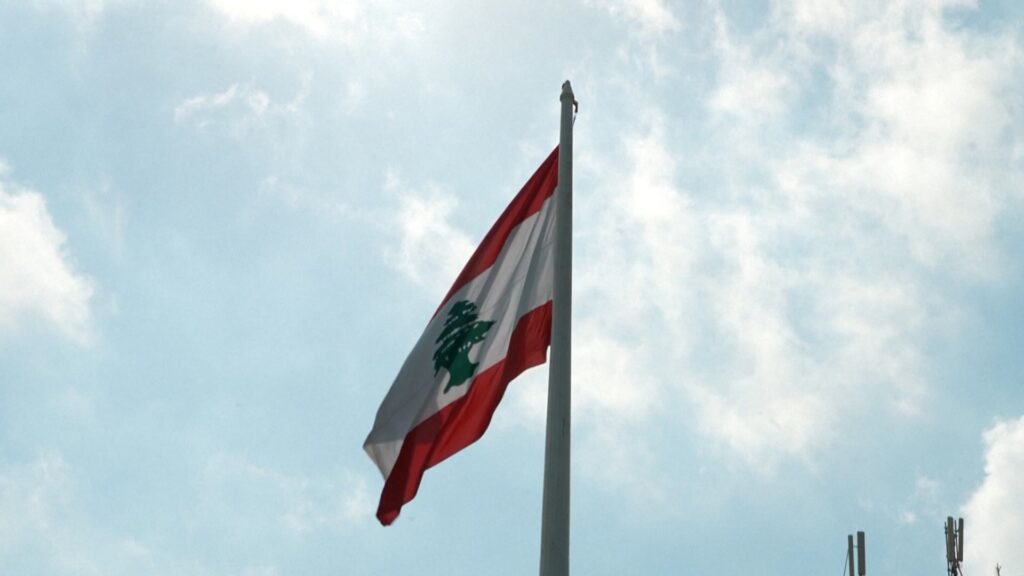
Lebanon finds itself deeply divided following the signing of a framework agreement in Washington, a development that has sparked contrasting reactions among political factions, civil society, and the general public. The agreement, intended to address some of Lebanon’s most pressing challenges, including economic recovery, political stability, and international relations, was hailed by some as a historic step forward, while others condemned it as a threat to Lebanon’s sovereignty and national unity.
The Framework Agreement in Washington was brokered amid a backdrop of severe economic crisis, political deadlock, and growing popular discontent. Proponents argue that the deal opens avenues for international support and structural reforms crucial for Lebanon’s revival. Key elements of the agreement focus on transparency measures, anti-corruption initiatives, and provisions for establishing a more stable political environment.
Supporters include several government officials and international partners who see the framework as a lifeline to negotiate assistance packages that could alleviate Lebanon’s spiraling inflation, unemployment, and infrastructural decay. They also emphasize the importance of regional cooperation and restoring confidence in Lebanon’s institutions.
On the other hand, opposition groups and many grassroots activists express deep skepticism. They argue the agreement compromises national interests by ceding too much influence to external actors, particularly the United States. Some factions warn that the framework might deepen sectarian divides or entrench external political agendas that do not reflect the will of the Lebanese people.
Religious leaders and influential community representatives have also weighed in, with some urging dialogue and unity to navigate the crisis collectively while others have called for rejecting any foreign-imposed solutions outright. The public’s sentiment mirrors this polarization, with protests erupting in various cities debating the pros and cons of the agreement.
Economic analysts caution that, while the framework could be a catalyst for reform, the success hinges on genuine political will and inclusive governance. Without addressing underlying structural problems and ensuring equitable representation, the agreement risks remaining symbolic rather than transformative.
Internationally, the agreement has drawn mixed reactions. Western countries have largely welcomed the move as a positive signal toward Lebanon’s stabilization, while regional powers are watching closely, wary of the shifting dynamics and implications for their own strategic interests.
As Lebanon grapples with the aftermath of the framework agreement, the path forward remains uncertain. Dialogue, compromise, and a shared vision for the country’s future will be crucial to transcend divisions.
The Washington framework agreement is more than just a document; it has become a symbol of Lebanon’s contested future, highlighting the challenges of rebuilding a nation amid external pressures and internal discord. The coming months will be decisive in shaping whether this initiative will foster reconciliation and recovery, or deepen the fragmentation that has long plagued Lebanon.