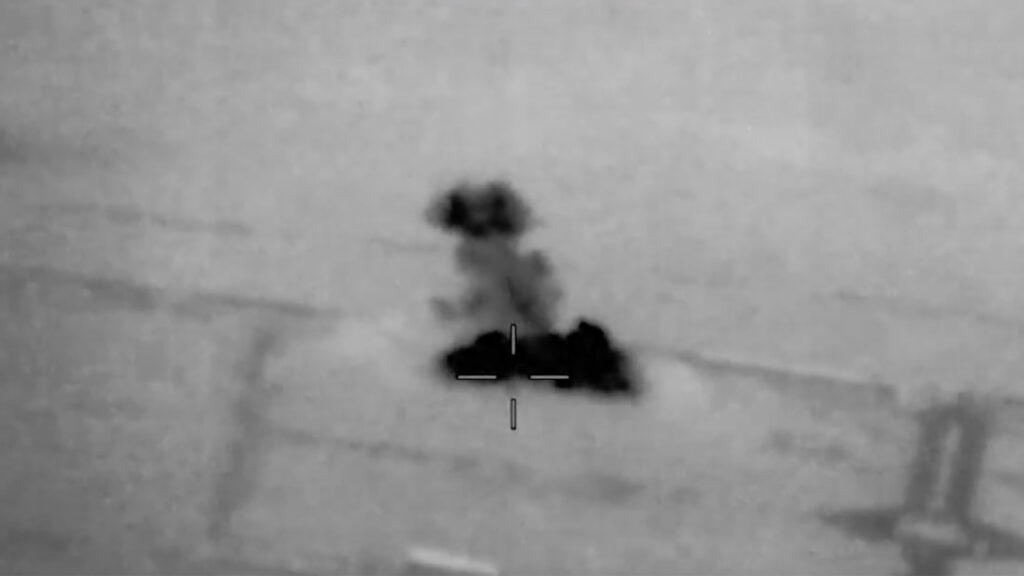
Tensions between Iran and the United States have escalated following recent attacks, with both nations exchanging accusations and signaling a possible breakdown of the fragile ceasefire currently in place. The situation remains volatile, raising concerns about further destabilization in the region.
US officials have pointed fingers at Iran, blaming the Islamic Revolutionary Guard Corps (IRGC) for orchestrating and supporting aggressive actions against American interests. In response, representatives from Iran have accused the US of meddling and provoking unrest, further complicating diplomatic relations.
In a stern warning, US envoy Vance declared that “violence will be met with violence,” emphasizing the American administration’s commitment to responding decisively to any provocations. This statement underscores the heightened alertness and readiness of US forces to counter Iranian aggression swiftly.
Meanwhile, the IRGC has threatened that future responses to perceived hostilities will be “broader,” suggesting an expansion in the scope or scale of retaliatory measures. This rhetoric has alarmed international observers, as it indicates a potential escalation beyond targeted incidents.
The fragile ceasefire, brokered to de-escalate conflicts between the two powers, now faces the risk of collapse. Diplomatic channels remain tense, with both sides showing little inclination toward compromise amid growing mistrust.
Experts note that the ongoing blame game undermines previous efforts at peace and may trigger a cycle of retaliation, destabilizing the already volatile Middle East region. The international community continues to call for restraint and dialogue to prevent further violence.
In summary, the recent exchange of accusations and threats between Iran and the US marks a troubling development that endangers the tentative peace achieved thus far. With both parties poised for potential retaliation, the future of regional stability hangs in the balance, dependent on the ability of leaders to de-escalate tensions and pursue diplomatic solutions.