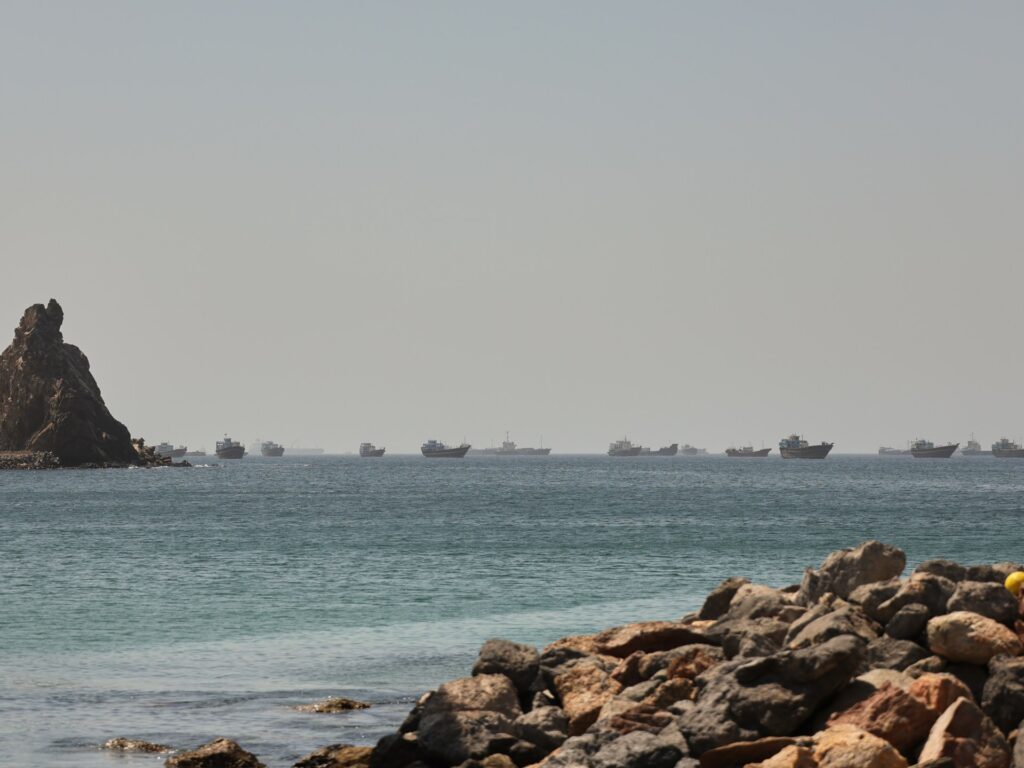
Tensions in the Middle East have escalated sharply following a US military strike against Iran, which came as a response to a recent attack on a vessel sailing through the strategically vital Strait of Hormuz. This region, known for its critical role in global oil transportation, has seen frequent military confrontations and heightened alertness from both regional and international powers.
The incident began when an Iranian Revolutionary Guard Corps (IRGC) vessel reportedly attacked a commercial ship in the Strait of Hormuz, a narrow passage that connects the Persian Gulf with the Gulf of Oman and the Arabian Sea. This waterway is a crucial chokepoint, through which a significant portion of the world’s petroleum passes.
In retaliation, the United States, under the Trump administration, launched a military strike against Iranian targets. The attack was stated to be a decisive response aimed at deterring further aggression and ensuring the security of international shipping lanes.
The IRGC has confirmed it targeted US military assets in the region following the American strike, escalating the cycle of violence. Both sides have accused each other of provocation, with tensions rising rapidly in a region already fraught with conflict.
Analysts warn that the situation could spiral into a larger regional conflict if diplomatic channels are not urgently utilized. The international community has called for restraint and dialogue, recognizing the potential global economic impact if the Strait of Hormuz were to become inaccessible due to military hostilities.
The US military strike marks one of the most significant confrontations between the two nations in recent years, highlighting the fragile nature of the ceasefire and the deep-rooted animosity that persists.
In response to the ongoing crisis, countries around the world are closely monitoring developments and preparing for various scenarios that might arise from further escalation. The global oil markets have also reacted, with prices experiencing volatility amid fears of supply chain disruptions.
This latest confrontation is a critical moment in the long-standing conflict between the US and Iran, underscoring the dangers of military engagements in such a strategically important area. It is now imperative for both sides to seek diplomatic solutions to prevent a full-scale war and to maintain stability in the Gulf region.
International leaders have urged calm and opened channels for potential negotiations to de-escalate the hostilities. The coming days will be crucial in determining whether this incident leads to further conflict or a movement toward peace and stability in the region.