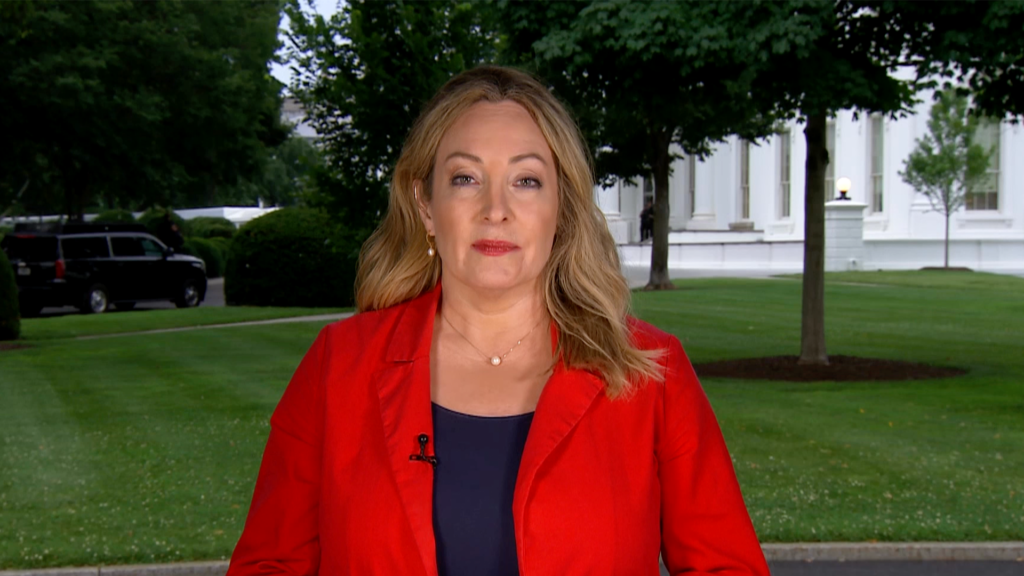
In a significant escalation of tensions in the Middle East, former President Donald Trump has publicly justified the United States’ recent military strikes on Iran. This move comes amid ongoing efforts to establish a ceasefire in the region. The US military action was launched in retaliation for what it characterized as an Iranian attack on a commercial ship navigating the strategic Strait of Hormuz, a vital waterway for global oil shipments.
The strikes mark a critical point in the ongoing conflict dynamics between the US and Iran. The Strait of Hormuz has long been a flashpoint given its importance to international energy supplies, through which around a fifth of the world’s oil passes daily. Relations between the two countries have been fraught with hostility, especially following the US withdrawal from the Iran nuclear deal in 2018 under the Trump administration.
Trump defended the strikes by emphasizing the necessity to protect American interests and maintain freedom of navigation in international waters. He stated that the swift retaliation was meant to deter further Iranian aggression and to send a clear message about the consequences of threatening US allies and economic assets.
Critics of the administration have expressed concerns that such military actions may exacerbate regional instability and provoke further conflict. They warn that escalating confrontations could trigger a wider war affecting not only the Middle East but global security and economic stability.
In response to the US strikes, Iran condemned the attacks as illegal and a violation of its sovereignty, warning of potential retaliation. Iranian officials accused Washington of using the pretext of protecting maritime security to justify aggressive policies aimed at crippling Iran’s economy and destabilizing its government.
International leaders have called for restraint from all parties to prevent a spiraling conflict. The United Nations and other diplomatic entities are urging dialogue and negotiation as the only viable path to peace in the volatile region.
This recent development comes amid broader geopolitical challenges, including ongoing debates about nuclear proliferation, sanctions regimes, and broader US-Iran relations. The incident has drawn global attention to the risks posed by unresolved tensions in one of the world’s most strategically important areas.
With the situation still evolving, the international community remains watchful as calls for de-escalation grow. Analysts suggest that any further military action could have far-reaching consequences, making diplomacy yet again the critical tool for preventing future conflict and ensuring regional stability.