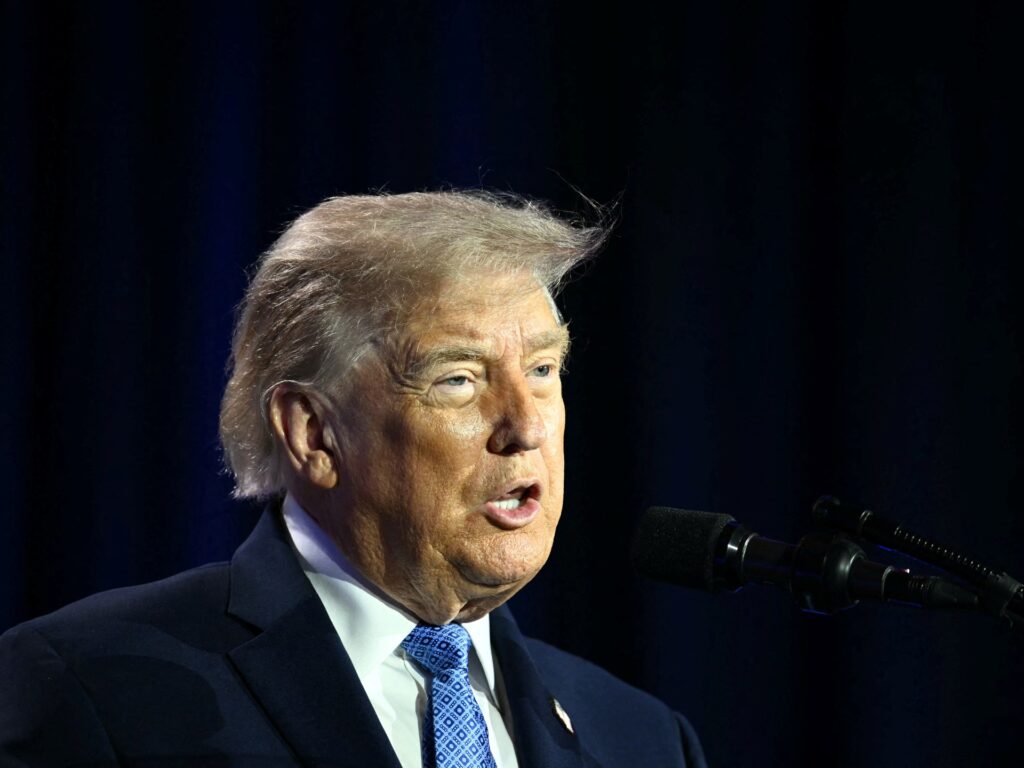
In a recent escalation of tensions in the strategically crucial Strait of Hormuz, former U.S. President Donald Trump has publicly blamed Iran for a drone strike targeting a cargo ship off the coast of Oman. The incident, which occurred amid a fragile U.S.-Iran ceasefire, has drawn a stern warning from Trump and raised concerns about the stability of the region.
The Strait of Hormuz, a vital chokepoint through which a significant portion of the world’s oil supply passes, has long been a flashpoint for geopolitical conflict. The attack on the cargo vessel marks a serious breach in the already delicate state of peace between the two nations.
Trump described the strike as “foolish,” emphasizing the irresponsible nature of the attack on international shipping lanes. He warned that such actions could lead to severe consequences and urged Iran to reconsider its approach to regional stability.
The drone strike has prompted a swift response from the United States government, signaling a readiness to protect maritime interests and maintain freedom of navigation in the area. While no casualties have been reported, the damage to the ship and the potential threat to global energy supplies have raised alarms among international observers.
This event tests the durability of the current ceasefire agreement, highlighting the ongoing volatility in U.S.-Iran relations. Diplomatic efforts to ease tensions continue, but incidents like this serve as a reminder of the fragile peace and the risks of escalation.
Experts note that the attack could be interpreted as a message from Iran in response to ongoing sanctions and military pressures. The use of drone technology in the strike signifies an evolution in the tactics employed in the region, complicating security dynamics.
Stakeholders including global shipping companies, energy markets, and regional governments are closely monitoring the situation. There is a collective call for restraint and dialogue to prevent further conflict and ensure the safety of critical maritime routes.
The international community has urged both sides to adhere to the ceasefire terms and engage in constructive negotiations. The United Nations and other international bodies have expressed concern over the possibility of renewed hostilities.
As the situation develops, the world watches closely, aware that stability in the Strait of Hormuz has far-reaching implications for global security and economic stability. The recent strike and Trump’s reaction underscore the ongoing challenges in managing peace in one of the world’s most important geopolitical corridors.