Venezuela is a country prone to seismic activity due to its location along tectonic plate boundaries. Earthquakes here can vary in magnitude and impact, but one critical period stands out in disaster response and survival rates: the first 72 hours after a serious quake.
Experts emphasize that the initial three days following a significant earthquake are vital for saving lives. This window is often referred to as the “golden period” for rescue and recovery operations, as the chances of finding survivors trapped under debris are highest during this time.
Immediately after a quake, communication and coordination among emergency services, government agencies, and international aid groups become paramount. Rapid assessment of damage and locating affected populations enable efficient deployment of resources.
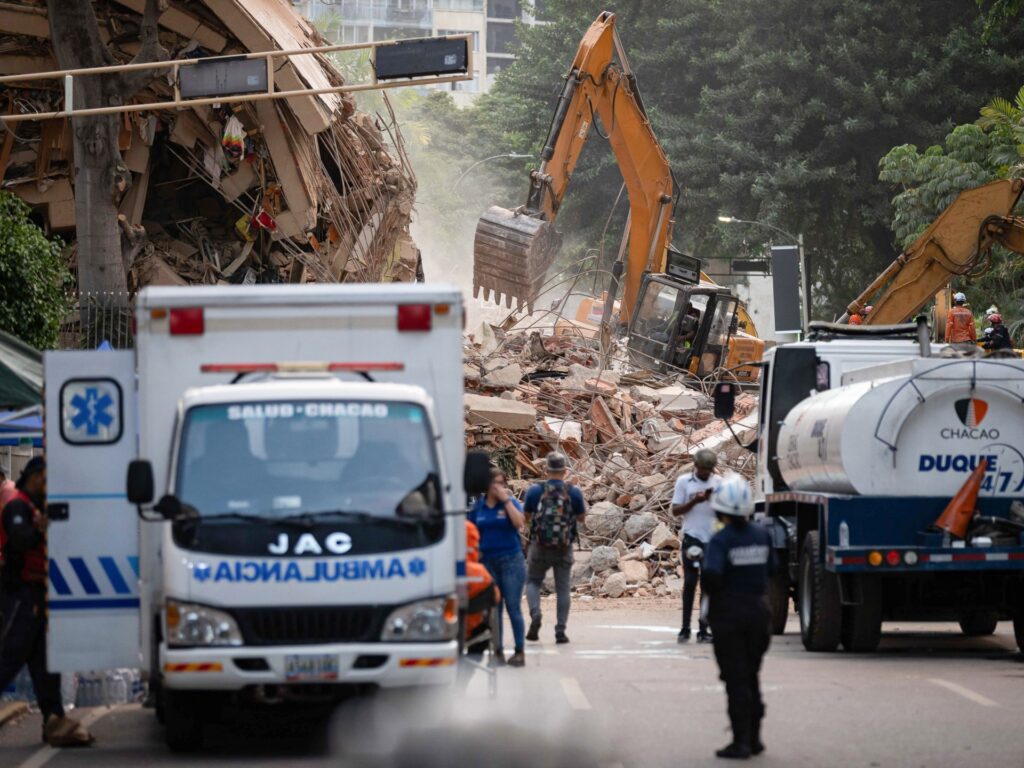
Search and rescue teams are mobilized to clear rubble and extract survivors. Their effectiveness depends on specialized equipment, trained personnel, and local knowledge of building structures.
Medical assistance is also crucial during this time. Field hospitals and emergency care units provide treatment for injuries, which range from minor wounds to life-threatening conditions like crush syndrome and severe trauma.
Shelter and basic essentials such as clean water, food, and sanitation facilities must be provided promptly to prevent secondary crises like dehydration, malnutrition, and disease outbreaks.
Psychological support begins immediately to help survivors cope with trauma and shock.
Community involvement can make a significant difference, as locals often participate in initial rescue efforts before official responders arrive.
Authorities urge residents in seismic zones to prepare emergency kits and familiarize themselves with evacuation routes to enhance readiness.
After 72 hours, while rescue operations continue, the focus gradually shifts to recovery, rebuilding, and long-term support for affected communities.
In Venezuela, where infrastructure weaknesses and political challenges may complicate response efforts, international cooperation and preparedness are vital to improve outcomes after earthquakes.
Ultimately, the first 72 hours after an earthquake in Venezuela represent a race against time. Lives can be saved with prompt action, coordinated response, and community resilience, showcasing the importance of disaster preparedness and effective emergency management in seismically active regions.