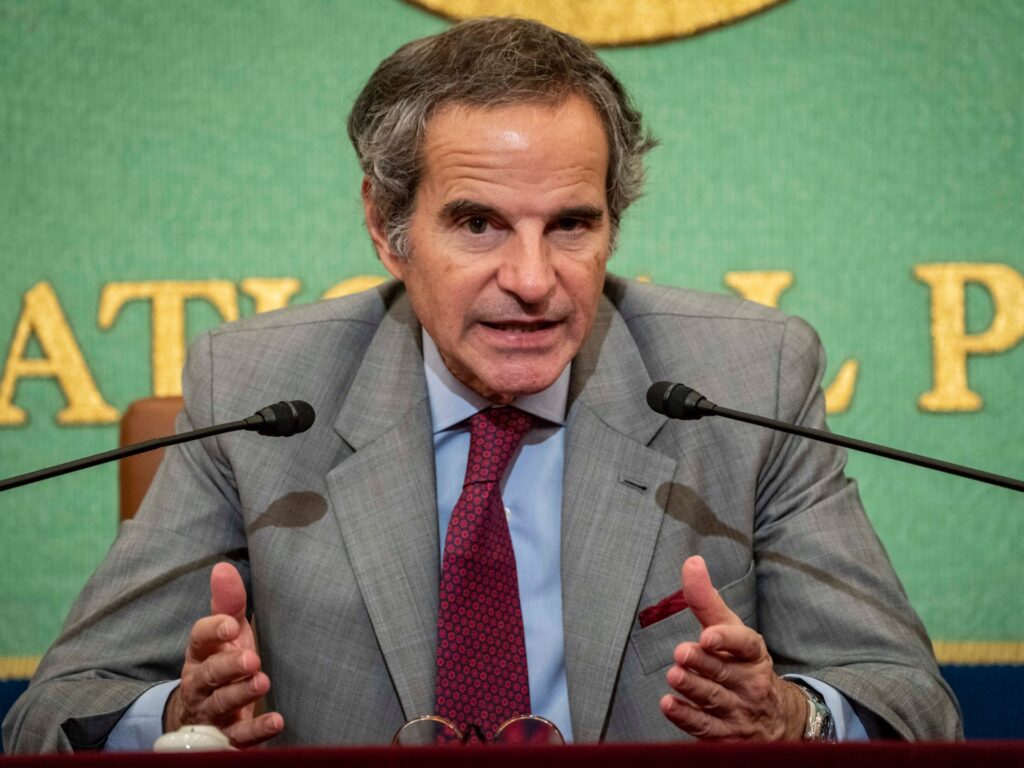
The International Atomic Energy Agency (IAEA) has issued a firm call for verification measures concerning Iran’s nuclear ambitions, underscoring the critical need for transparency amid escalating geopolitical tensions. This demand arrives at a time when conflicting narratives are being presented by the United States and Iran regarding the status of ceasefire negotiations. The IAEA, responsible for monitoring nuclear activities worldwide, emphasized the importance of a ‘strong verification system’ to ensure that Iran’s nuclear program remains peaceful and within international regulations.
Recent developments have seen a flurry of diplomatic activity and public statements, often contradictory, which has led to what many analysts are calling a ‘statement war’ between the US and Iran. The term refers to the ongoing exchange of conflicting claims about the progress, or lack thereof, in negotiations aimed at reducing hostilities and potential nuclear escalation in the region.
The IAEA’s demand highlights the agency’s concern that unchecked nuclear advancements by Iran could destabilize the Middle East further and undermine global non-proliferation efforts. In response, Iran has maintained its right to develop nuclear technology for peaceful purposes but insists on its sovereignty amidst what it calls ‘external pressure and misinformation.’
The US government, on the other hand, has reiterated its commitment to preventing Iran from acquiring nuclear weapons, citing intelligence and monitoring reports that suggest possible violations or covert activities. However, Washington also expresses willingness to engage in diplomatic dialogue if Iran shows verifiable compliance with nuclear agreements.
International experts note that the verification process by the IAEA involves rigorous inspections, satellite monitoring, and analysis of nuclear material to confirm that all activities are consistent with declared peaceful purposes. Without such a system, there’s a heightened risk of misinterpretation, false accusations, and eventual conflict escalation.
The conflicting claims regarding ceasefire talks further complicate the diplomatic landscape. Iran accuses the US of stalling and employing sanctions as leverage, while the US insists that Iran’s nuclear opacity and regional interventions obstruct potential agreements.
The IAEA’s statement serves as a reminder of the persistent challenges in managing nuclear diplomacy with Iran. It calls for renewed efforts to establish clear, transparent, and enforceable verification protocols that can build mutual trust. Such measures are crucial to securing regional peace and maintaining the integrity of the global nuclear non-proliferation regime.
As the situation continues to evolve, the international community watches closely, hoping for a resolution that balances Iran’s technological aspirations with global security concerns. The IAEA’s demand is a pivotal step towards that objective, advocating for diligent oversight and cooperative engagement to prevent a nuclear crisis.