On the 119th day of the ongoing conflict involving Iran, significant developments unfolded with Israel launching strikes into Lebanon while diplomatic efforts persist through continued talks between Israeli and Lebanese delegations.
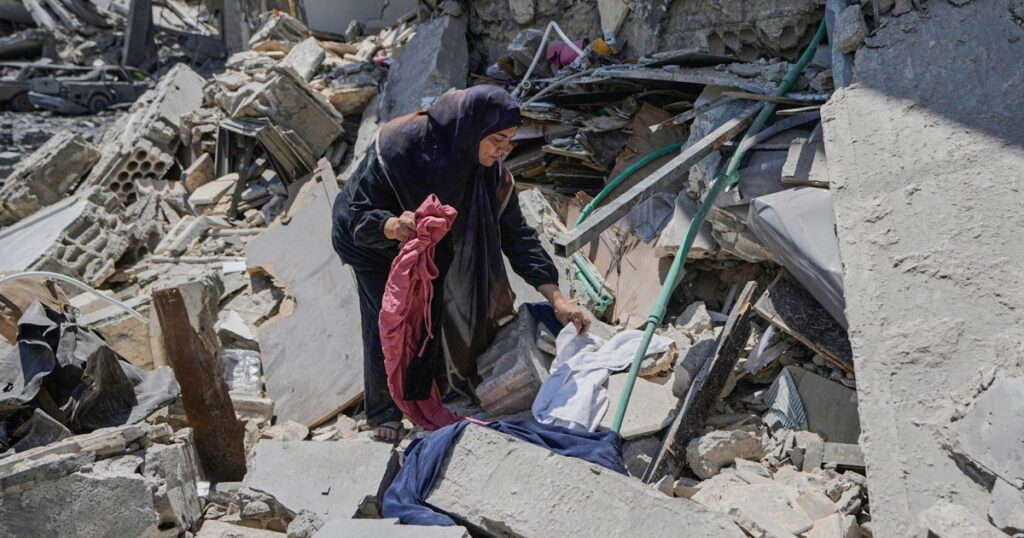
The conflict, which began several months ago, has escalated tensions in the region, with Israel conducting precision strikes in southern Lebanon. These operations targeted key militant positions linked to hostile activities against Israel, aiming to curb cross-border attacks and maintain national security.
Simultaneously, the International Atomic Energy Agency (IAEA) announced its intentions to return to Iran, signaling a renewed focus on monitoring Iran’s nuclear activities. The IAEA’s move comes amid international concerns regarding Iran’s compliance with nuclear agreements and efforts to prevent nuclear proliferation in the region.
The Israeli and Lebanese delegations have scheduled further talks on Friday to address the ongoing conflict and potential pathways to peace. These discussions aim to ease hostilities and work toward a sustainable resolution that respects the sovereignty and security concerns of both nations.
Experts highlight that the dual track of military action and diplomatic engagement reflects the complexities of the conflict where security measures intertwine with international diplomatic efforts.
The strikes in Lebanon represent Israel’s commitment to addressing immediate security threats, while the engagement with the IAEA underscores the international community’s vigilance regarding Iran’s nuclear ambitions. Both dimensions carry significant implications for regional stability and broader geopolitical dynamics.
Lebanese officials condemned the Israeli strikes, decrying them as violations of sovereignty and calling for international intervention to halt aggression. Meanwhile, Israeli authorities stress the necessity of these actions to safeguard civilians and counter ongoing attacks from militant groups operating across the border.
The IAEA’s return to Iran is expected to facilitate closer inspections and provide transparent assessments of nuclear activities, which could pave the way for renewed diplomatic negotiations and potentially ease sanctions imposed on Iran.
International observers continue to monitor the situation closely, emphasizing the importance of dialogue and restraint to prevent further escalation. The outcome of the Israeli-Lebanese talks and the IAEA’s engagement with Iran will be pivotal in shaping the future trajectory of the conflict.
As day 119 passes, the situation in the Middle East remains volatile, underscoring the need for continued diplomatic efforts, vigilant international monitoring, and balanced approaches to security challenges to achieve lasting peace in the region.