The US Supreme Court has recently issued a landmark ruling that significantly impacts the ability of asylum seekers to file claims upon reaching the US border. This decision effectively paves the way for the government to block asylum seekers from entering the country and submitting their applications for asylum.
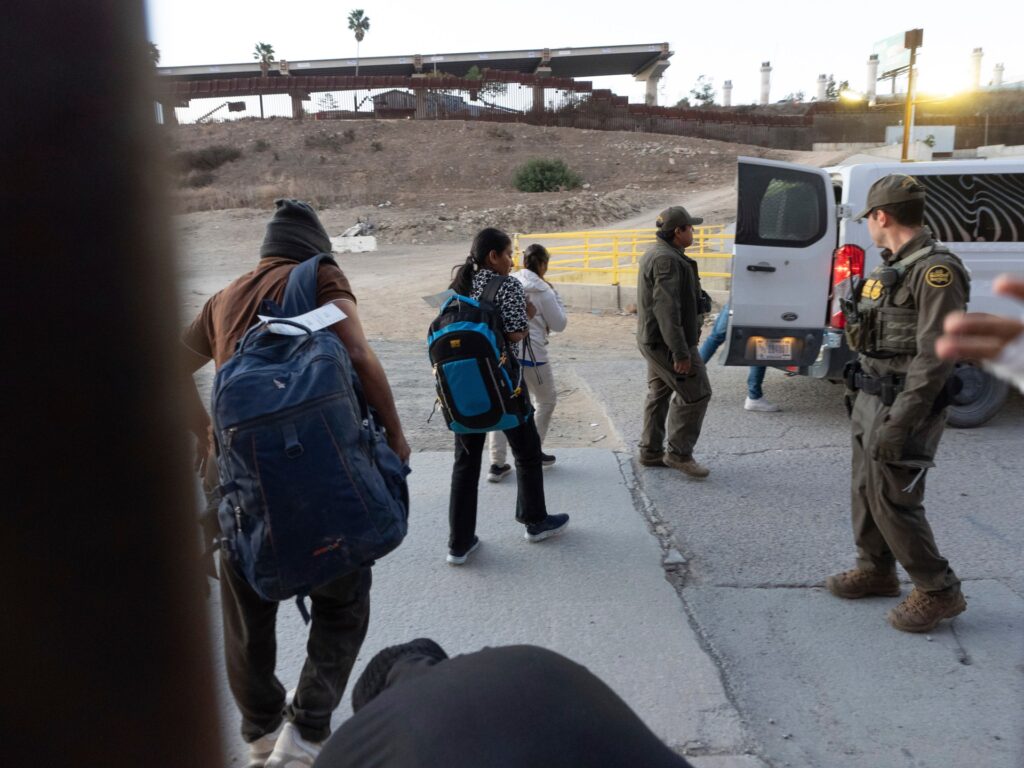
In a closely watched case, the Supreme Court’s conservative majority upheld a government policy that authorizes immigration agents to prevent individuals at the border from filing asylum claims under certain conditions. This ruling is seen as a major victory for the administration’s efforts to control immigration and limit the influx of migrants seeking refuge in the United States.
Opponents of the decision, including liberal justices and immigrant advocacy groups, argue that the ruling undermines existing US immigration laws and international obligations by circumventing the legal right to seek asylum. They warn that this could lead to more migrants being returned to dangerous situations in their home countries without a fair chance to have their claims heard.
The ruling emphasizes the federal government’s authority to implement immigration policies that restrict asylum eligibility at the border, particularly for those who do not follow specific procedural requirements or come from third countries where they could have sought protection.
Critics highlight concerns that the decision diminishes humanitarian protections and exacerbates the vulnerability of migrants facing persecution, torture, or death if returned. They contend the ruling contradicts established legal precedents and international treaties designed to protect the rights of refugees.
Proponents of the ruling argue it restores order to a strained border system overwhelmed with unauthorized migration and fraudulent asylum claims. They claim the previous system incentivized irregular border crossings and abuse of immigration laws.
The ruling signals the Supreme Court’s continued tilt towards a more restrictive immigration stance and deepens the divide between the judiciary’s conservative and liberal wings on immigration issues.
Moving forward, this decision will likely shape immigration enforcement policies, asylum procedures, and the experiences of thousands of migrants seeking safety in the United States each year.
The full implications of the ruling remain to be seen, but the immediate effect is a setback for asylum seekers hoping for entry and protection on US soil. Advocacy groups are already mobilizing to challenge related policies and push for legislative reforms to safeguard asylum rights.
This development adds to the ongoing national debate over immigration reform, border security, and the balance between enforcement and humanitarian obligations under US and international law.
As the government moves to implement the ruling, asylum seekers will face increasingly stringent barriers at the border, reshaping the landscape of US immigration and refugee protections in the years to come.