In a development that highlights growing tensions in international relations, Iran has accused NATO of ‘complicity’ in the United States’ war efforts against Iran. This accusation not only raises questions about NATO’s role in conflicts involving the US but also brings the involvement of European Union (EU) nations into sharp focus.
Iran’s claims suggest that NATO, a military alliance primarily composed of North American and European countries, has played a supportive or enabling role in the US military actions directed at Iran. While NATO as an organization has a defensive mandate, the complexities of contemporary geopolitical alliances often see individual member states contributing in diverse ways to US-led military initiatives.
The European Union, while distinct from NATO, shares many member countries with the alliance. Several key EU nations, including the United Kingdom, France, Germany, and Italy, are also prominent NATO members. Their involvement in or support for US military actions can vary, ranging from direct military engagement to logistical support, intelligence sharing, or diplomatic backing.
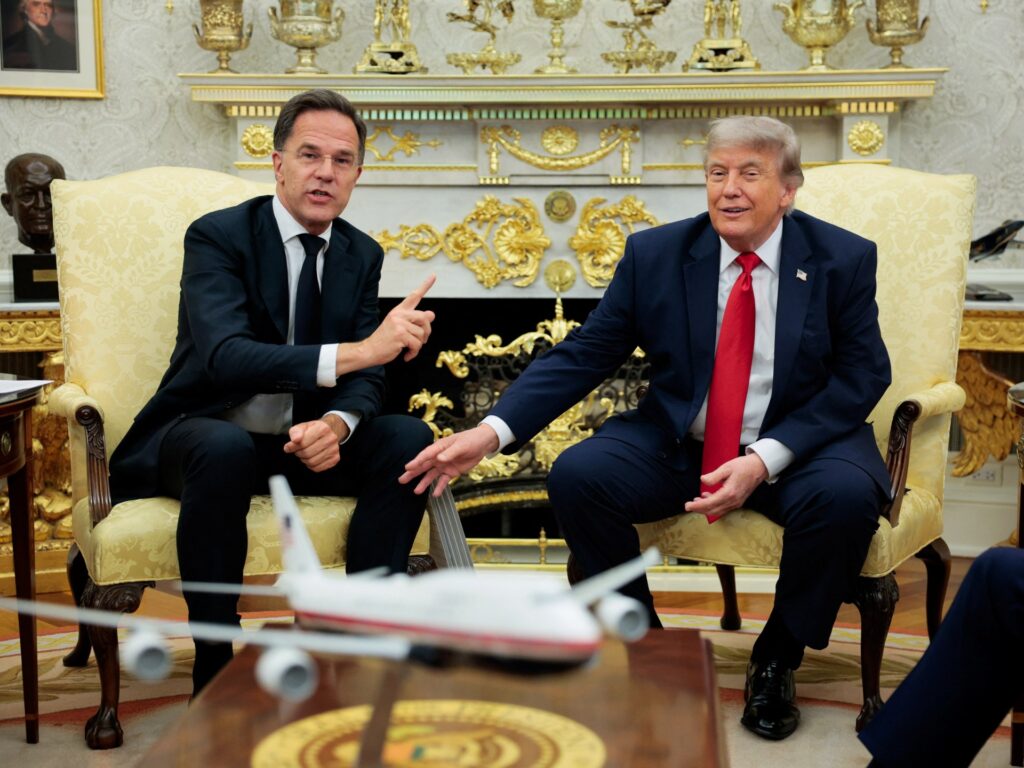
Recently, NATO’s Secretary General engaged in diplomatic efforts to address allegations and concerns related to the roles played by European allies. In a significant move, he sought to convince then-US President Donald Trump that European NATO members had been steadfast partners supportive of US interests during the heightened tensions and military posturing around Iran.
Historically, NATO’s involvement in Middle Eastern affairs has been cautious, focusing more on security cooperation and training rather than direct conflict engagement. However, the US, wielding significant influence within the alliance, often leverages NATO frameworks to build broader coalition support.
EU nations, beyond NATO, pursue their own foreign policies which sometimes align with and at other times diverge from US strategies. For instance, countries like Germany have expressed varying degrees of opposition to military conflicts in the Middle East, advocating for diplomatic solutions over war.
The accusation by Iran underscores the complexity of international alliances where military, political, and diplomatic roles can overlap, making it challenging to delineate clear lines of accountability. It also points to the broader geopolitical contest between Western alliances and Iran, which has implications for regional stability in the Middle East.
In conclusion, while NATO as an institution maintains a collective defense stance, the role of EU nations within the alliance and individually is multifaceted. Their support to US policies on Iran may range from direct military involvement to more indirect means. As diplomatic efforts continue, understanding these nuances is critical to analyzing the ongoing accusations and the geopolitical landscape.
This situation calls for careful examination of NATO’s internal dynamics and the political decisions of its European members, especially as tensions with Iran remain a pivotal issue on the global stage.