Central America, including Venezuela, is particularly vulnerable to earthquakes due to a combination of geological, infrastructural, and regulatory factors.
The region sits atop several complex tectonic plate boundaries, notably where the Caribbean Plate interacts with the South American Plate, leading to frequent seismic activity. This geological positioning inherently increases the risk of strong earthquakes.
Venezuela’s susceptibility is heightened by its proximity to active fault lines, which are capable of producing significant tremors. Unlike countries like Japan, which although also earthquake-prone, have built robust, modern construction codes designed specifically to withstand seismic events, Venezuela’s building standards are generally weaker.
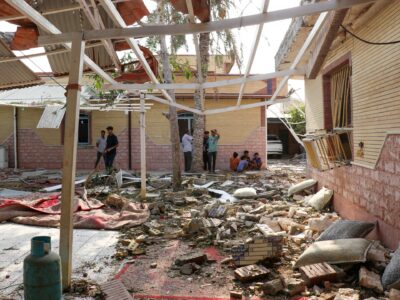
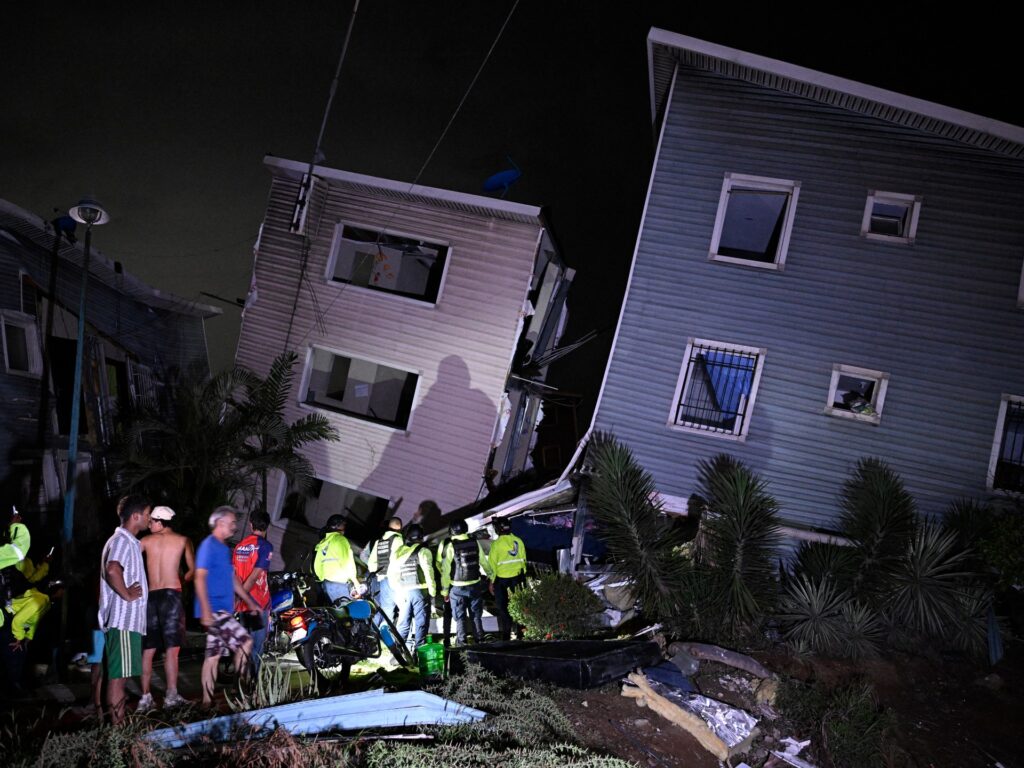
The inconsistency and limited enforcement of these building regulations in Venezuela mean that many structures are not built to cope with the stresses of earthquakes. This results in a higher likelihood of severe infrastructural damage and greater threats to human safety during a quake.
Furthermore, Central American countries often lack the comprehensive disaster preparedness plans and emergency response infrastructures found in wealthier, more developed nations. This gap leaves populations more exposed to the immediate and long-term consequences of earthquakes.
Japan exemplifies how advanced engineering, rigorous building codes, and extensive public preparedness can significantly mitigate earthquake risks. Its early warning systems and regular drills help reduce casualties and economic losses when earthquakes strike.
In contrast, Venezuela faces significant challenges in upgrading its infrastructure and implementing effective regulatory frameworks. Economic difficulties and political instability have compounded these issues, making it difficult to prioritize earthquake resilience.
Additionally, limited public awareness and education about earthquake preparedness contribute to the risks faced by communities in Central America. Many residents remain vulnerable due to a lack of resources and training on how to respond during seismic events.
Efforts to improve resilience in Central America need to focus on updating building codes, enhancing enforcement, investing in early warning systems, and educating the public. International collaboration could help drive these improvements by providing technical expertise and funding.
In summary, Central America’s high vulnerability to earthquakes stems from its geophysical setting compounded by weaker construction standards and readiness compared to nations like Japan. Addressing these challenges is critical to reducing the impact of future seismic events on vulnerable populations in Venezuela and beyond.