Venezuela has been struck by two powerful earthquakes in quick succession, causing widespread destruction and panic across the region. The first tremor, registering a magnitude of 7.2, hit the country hard, leading to immediate reports of structural damage and casualties. This initial quake was soon followed by an even stronger earthquake measuring 7.5, compounding the severity of the situation and escalating the emergency response needs.
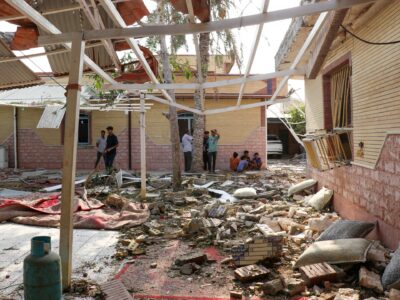
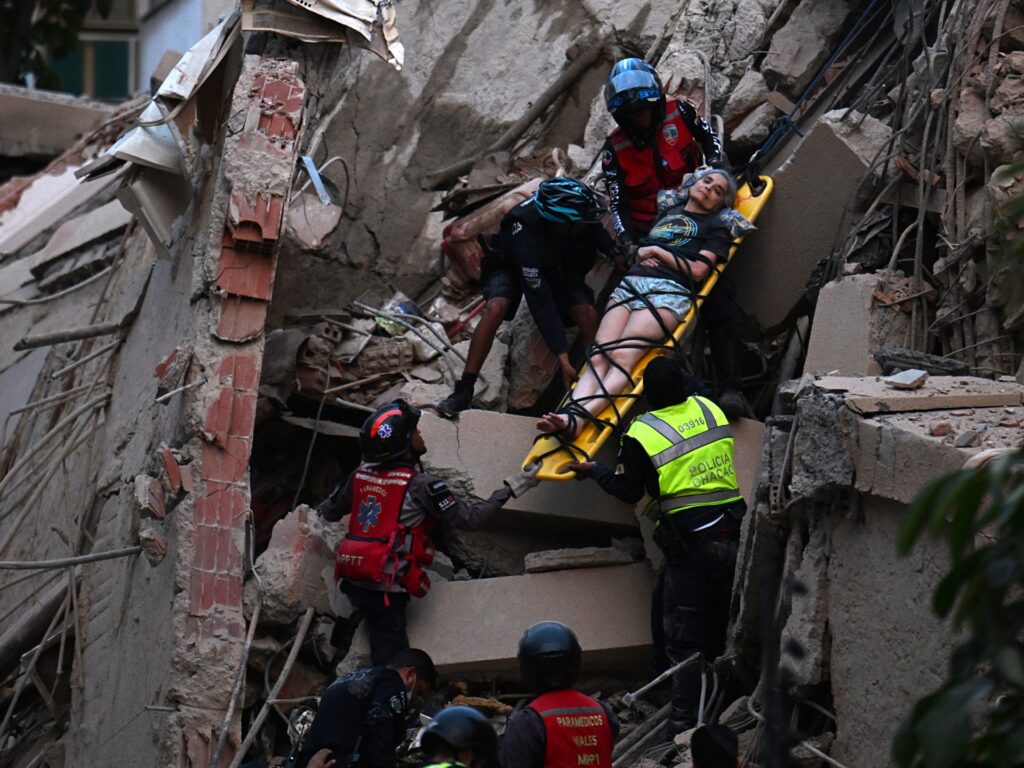
Authorities have confirmed that at least 700 people have been injured due to the tremors, with fears that the death toll will rise sharply as rescue operations continue. The earthquakes have caused significant damage to buildings, roads, and critical infrastructure, leaving many communities isolated and vulnerable.
Emergency services are working tirelessly to reach affected areas, but the scale of the disaster and ongoing aftershocks are complicating rescue efforts. Hospitals are overwhelmed with the influx of injured patients, and there is an urgent need for medical supplies and personnel.
In addition to the human toll, the earthquakes have triggered secondary hazards such as landslides and power outages, further hampering the response and recovery operations. Communications have been disrupted in many zones, making it challenging to coordinate aid and receive accurate updates.
The Venezuelan government has declared a state of emergency and is appealing for international assistance to cope with the crisis. Relief organizations are mobilizing resources to provide food, shelter, and medical care to those affected.
Residents are being advised to stay vigilant and follow safety protocols as aftershocks are expected. The psychological impact on the population is also a significant concern, with many people traumatized by the events and facing uncertain futures.
Seismologists are monitoring the situation closely, studying the patterns of the quakes to understand the risks of subsequent seismic activity in the region. The magnitude and timing of these tremors highlight the vulnerability of Venezuela to natural disasters, emphasizing the need for improved preparedness and resilient infrastructure.
As the situation develops, updates will continue to be provided regarding casualty figures, relief efforts, and recovery plans. The resilience and solidarity of the Venezuelan people will be tested in the days ahead as they face the daunting task of rebuilding their shattered communities.