On the 118th day of the ongoing conflict involving Iran, tensions continue to escalate in the strategically vital Strait of Hormuz. The Islamic Revolutionary Guard Corps (IRGC) of Iran has firmly rejected the proposal for an alternative maritime route through the Strait of Hormuz. This announcement comes at a critical time as the strait remains a focal point of geopolitical and military contention, given its importance for global oil shipments.
The IRGC’s rejection of the new route underscores Tehran’s determination to maintain control over this crucial waterway. The proposed alternative route aims to bypass certain contested areas to ensure safer navigation for international vessels, but Iran views such maneuvers as challenges to its sovereignty and security interests.
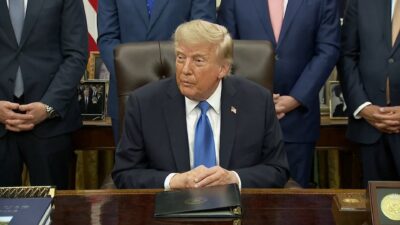
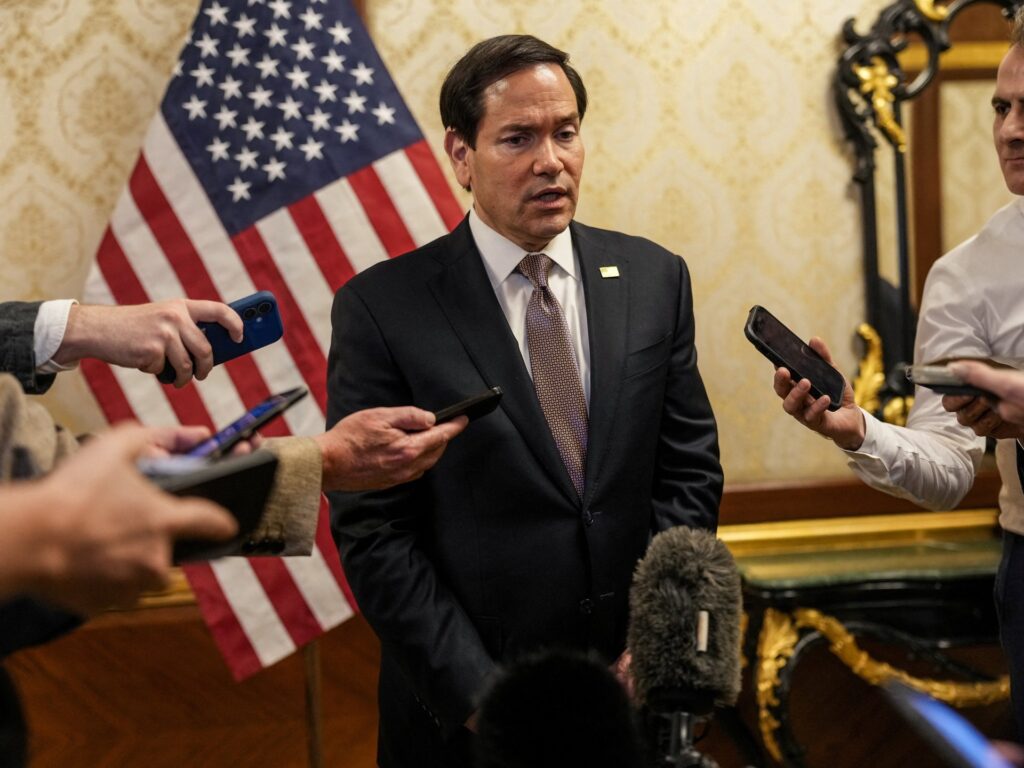
Meanwhile, on the diplomatic front, U.S. Senator Marco Rubio is scheduled to meet with leaders of the Gulf Cooperation Council (GCC) amid rising regional tensions. This meeting is part of the broader U.S. strategy to strengthen alliances and coordinate responses to Iran’s actions. The Gulf Cooperation Council, composed of Bahrain, Kuwait, Oman, Qatar, Saudi Arabia, and the United Arab Emirates, holds strategic importance in regional security and economic stability.
The discussions between Senator Rubio and GCC leaders are expected to focus on enhancing maritime security, countering Iranian influence, and addressing the broader implications of the ongoing conflict. These talks are also likely to cover energy security, given the global reliance on the Strait of Hormuz for oil transport.
Experts warn that the IRGC’s stance and the diplomatic engagements indicate an intensification of the geopolitical struggle over the Strait of Hormuz. The area remains a flashpoint, with the potential to disrupt global energy supplies and escalate military confrontations.
The international community continues to watch closely as these developments unfold, with hopes for de-escalation and peaceful resolution. However, the persistence of hardline positions on both sides suggests that tensions may remain high for the foreseeable future.
In summary, on day 118 of the Iran conflict, the IRGC’s rejection of a new Hormuz route and Senator Marco Rubio’s diplomatic engagements with GCC leaders highlight the complex and multifaceted nature of the regional crisis, intertwining military, political, and economic dimensions that will shape the future stability of the Middle East.