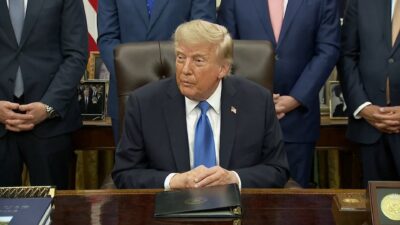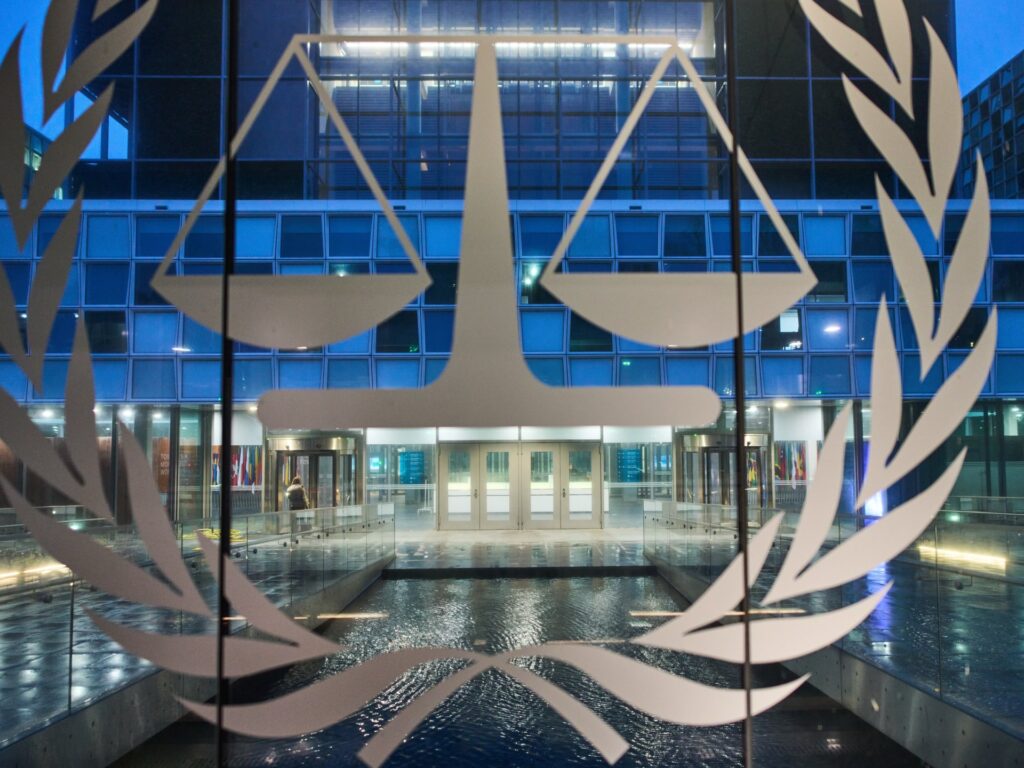
A group of International Criminal Court (ICC) judges has filed a lawsuit against former U.S. President Donald Trump, challenging the sanctions imposed on them during his administration. The judges argue that these sanctions were intended to punish and coerce the ICC into altering its investigations related to war crimes allegedly committed by U.S. and Israeli forces.
The ICC had launched probes into alleged war crimes in Afghanistan and the Palestinian territories, sparking controversy with the U.S. government. The Trump administration responded by sanctioning several ICC officials, including judges, citing concerns over the court’s jurisdiction and potential bias.
In their legal action, the ICC judges contend that the sanctions violate international law and the principles of judicial independence. They assert that the measures were designed to intimidate and obstruct the court’s efforts to hold accountable individuals responsible for serious international crimes.
The lawsuit highlights the broader tensions between the ICC and the United States, particularly regarding the court’s authority to investigate crimes involving American nationals and allies. The ICC operates as an independent judicial institution aimed at prosecuting individuals for genocide, crimes against humanity, and war crimes when national courts are unwilling or unable to do so.
Experts note that the sanctions imposed under Trump were unprecedented and widely criticized by the international legal community. They argue that the sanctions posed a threat to the ICC’s ability to function effectively and undermined the global fight against impunity.
Supporters of the ICC praise the lawsuit as a crucial stand for judicial independence and the rule of law, emphasizing the importance of holding all perpetrators of serious crimes accountable regardless of national or political influence.
The legal proceedings are expected to draw significant international attention, potentially affecting future relations between the United States and international judicial bodies. They also underscore the challenges faced by the ICC in navigating complex geopolitical pressures while pursuing justice for victims of atrocities worldwide.
The ICC judges’ move marks a rare instance of judicial officials actively challenging sanctions imposed on them personally, reflecting deep concerns about the erosion of international legal norms and the independence of the global justice system.
Observers are closely monitoring the case, which could set important precedents for how international courts are treated by powerful states and how judicial independence is protected in the face of political retaliation.
The ICC continues its work amid increasing scrutiny and resistance from some powerful nations, underscoring the ongoing struggle to uphold international criminal justice in a fragmented global landscape.